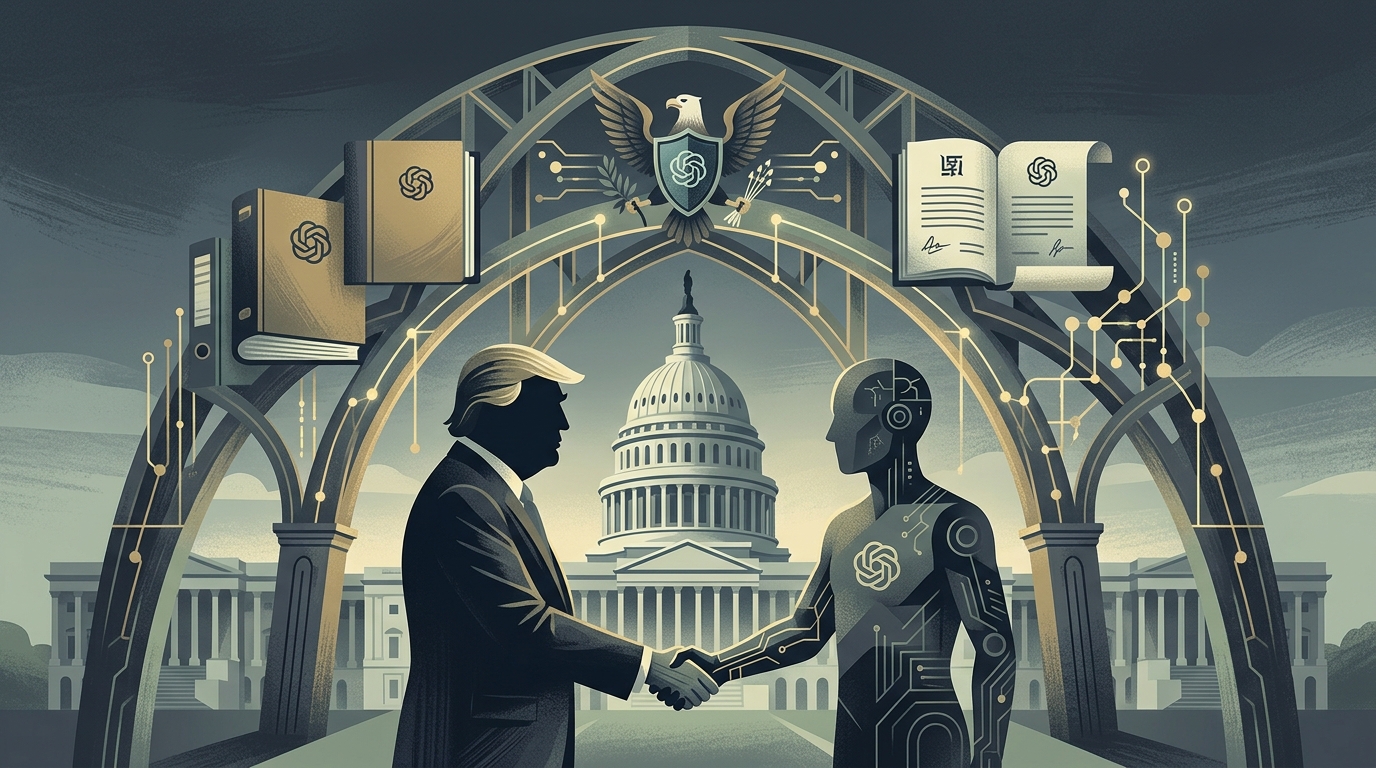
The history of American democracy has always been defined by the tension between centralized authority in Washington and the autonomy of the fifty states. Today, in 2026, this historic struggle finds its new battlefield in Artificial Intelligence (AI). As the federal government struggles to enact a comprehensive framework, states like California, Colorado, and Utah are taking matters into their own hands, creating what analysts call a "regulatory patchwork."
The stakes are not just about protecting citizens from algorithmic bias or job loss, but also the very ability of the United States to maintain its global technological hegemony. The lack of uniformity threatens to stifle innovation under the weight of bureaucracy or, conversely, leave citizens exposed to risks that federal lawmakers are failing to address.
The State Vanguard: California’s Influence and Colorado’s Precedent
California, as the world’s technology capital, is at the forefront. Following the high-profile debate surrounding bill SB 1047, the state has adopted a series of rigorous rules regarding model transparency and the safety of critical systems. Legislators in Sacramento argue they cannot wait for a divided Congress to act when the risks to privacy and democracy are present today.
However, this approach is far from uniform. Colorado has focused on preventing algorithmic discrimination in employment and housing, while Utah has opted for a more "business-friendly" path, focusing on protecting consumers from fraud without imposing heavy audit requirements on the models themselves. This divergence creates an environment where a tech company must comply with different standards depending on where its user is located, exponentially increasing operational costs.
The Industry’s Nightmare: The Cost of Compliance
For Silicon Valley giants and emerging startups alike, the lack of federal uniformity represents the greatest risk. Industry representatives warn that if every state enacts its own rules for model training and data usage, the US will lose the advantage of a single market.
- Increased legal costs for monitoring 50 different legislations.
- The risk of "geo-fencing" services in states with overly restrictive rules.
- Discouragement of investment due to regulatory uncertainty.
"We cannot have 50 different traffic codes for the digital highway," a senior executive at a major software firm recently stated.
The pressure on Congress to issue federal legislation that would supersede state laws (federal preemption) is immense. However, proponents of states' rights are fighting back, arguing that states serve as "laboratories of democracy," testing different approaches before they are adopted at a national level.
The Congressional Vacuum and the Global Dimension
Why does Congress remain inactive? The answer lies in political polarization and the sheer complexity of the subject. While there is consensus that AI needs regulation, disagreements over where safety ends and censorship begins, or how to protect intellectual property without halting model training, paralyze the legislative process.
This internal friction in the US also has international implications. While the European Union moves forward with the implementation of the AI Act, offering a unified framework for 27 countries, the US appears fragmented. This allows the EU to set global standards (the so-called "Brussels Effect"), forcing American companies to adapt to European rules in the absence of their own national standards.
In conclusion, the dispute between states and the federal government over AI is more than just a legal disagreement. It is a test of whether the American system of government can respond to the speed of the technological revolution. The balance between protecting citizen rights at the local level and the need for a national innovation strategy will define the future of AI in the US for decades to come.