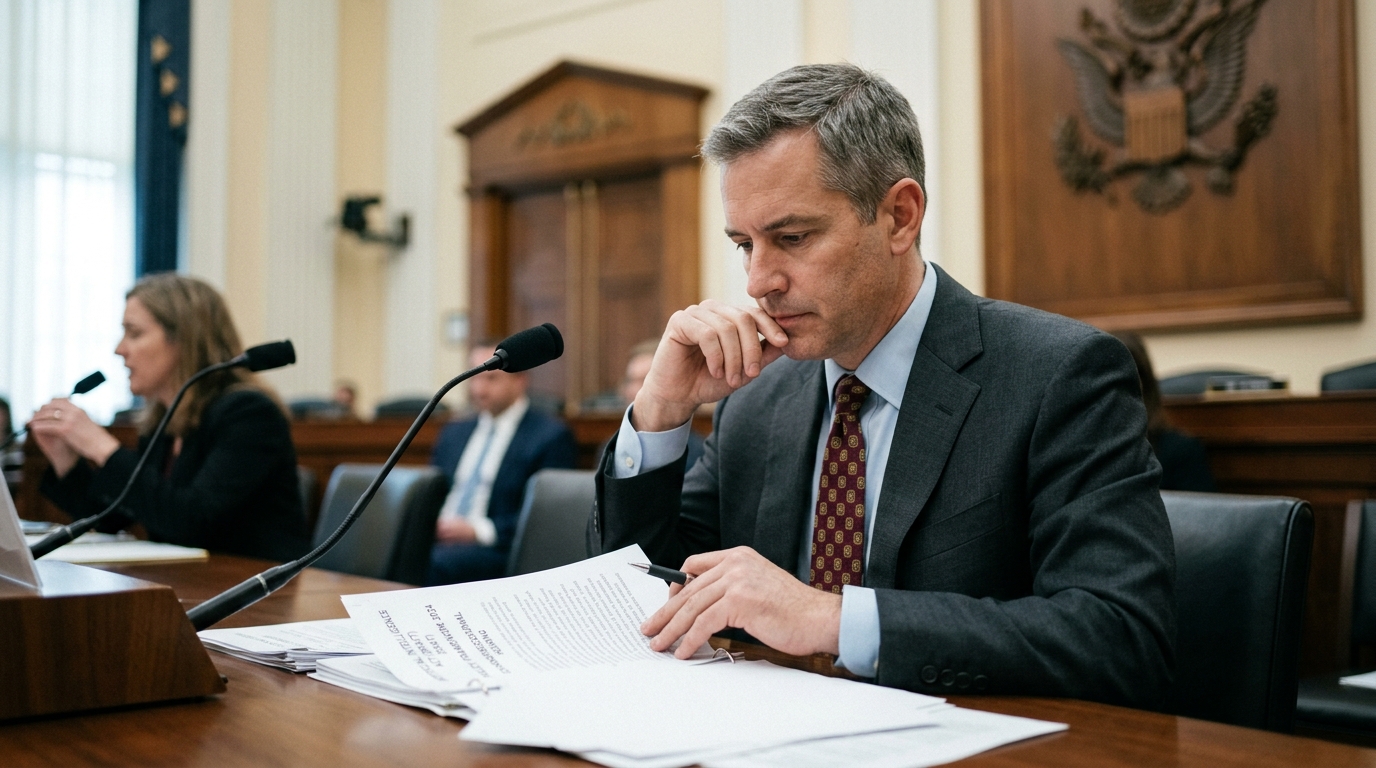
In the corridors of Washington, the traditional image of lobbyists waiting outside committee rooms is being replaced by a new, more aggressive reality. As we navigate through 2026, Artificial Intelligence (AI) is no longer just a subject for regulation, but the driving force of a political proxy war that threatens to reshape the U.S. Congress from its foundations. With vast sums flowing from Silicon Valley to specific candidates, the question is no longer when an AI law will be passed, but who will be the person writing it.
The Strategy of "Preemptive" Influence
For decades, tech giants followed a reactive approach: they waited for a bill to be introduced and then attempted to modify it. Today, the strategy has shifted radically. AI companies and their backers are investing directly in election campaigns, ensuring that the lawmakers who occupy crucial seats on the Commerce, Judiciary, and Science committees are already aligned with their interests. What we are witnessing is an attempt at "regulatory capture" before the regulations even exist.
Funding isn't just coming from traditional players like Google or Microsoft. New, aggressive Venture Capital firms, such as Andreessen Horowitz (a16z), have openly stated they will support any candidate — regardless of party — who favors the unhindered development of AI and opposes restrictive safety regulations. This "single-issue" voting by Silicon Valley is creating a new kind of political schism that does not follow traditional Democratic and Republican lines.
The Schism: Safety vs. Acceleration
At the heart of this proxy war lies a deep ideological conflict. On one side are the "Doomers" or safety advocates, who fear that unchecked AI poses an existential risk. This group pushes for strict testing protocols and government oversight. On the other side are the "Accelerationists" (e/acc), who argue that any delay in AI development will leave the U.S. behind China and deprive humanity of the technology's benefits.
- The Safety Side: Supported by philanthropic foundations and some AI pioneers calling for regulations similar to those for pharmaceuticals.
- The Acceleration Side: Funded by VCs and startups who view regulation as a "moat" protecting large monopolies (regulatory capture).
These two groups are funneling millions of dollars into Super PACs, targeting key electoral matchups. For example, in recent primaries, we saw moderate candidates attacked not for their social stances, but for their views on open-source AI code. The message is clear: if you are not on the side of "progress," you will find yourself out of the race.
The Erosion of Independent Policy-Making
The consequence of this pressure is the gradual erosion of Congress's ability to act as an independent arbiter. When a lawmaker owes their election to funds intended exclusively for the promotion of a specific technological agenda, objectivity is sacrificed.
"We aren't just seeing lobbyists briefing our staff; we are seeing an entire industry selecting our colleagues,"a Democratic senator stated anonymously, highlighting concerns about the quality of the democratic process.
Furthermore, this war has geopolitical implications. The rhetoric of a "digital arms race" against China is often used as a pretext to avoid any kind of domestic regulation. Industry-backed candidates often adopt a hard line against Beijing, linking Silicon Valley's freedom to U.S. national security. This makes resisting the desires of tech companies appear almost as an "unpatriotic" stance.
Conclusion: Who Governs Technology?
As we approach the 2026 elections, AI's influence on Congress will be the ultimate test for American democracy in the digital age. If Congress is reshaped by AI interests before it can set the rules of the game, then the resulting regulation will likely be a reflection of corporate balance sheets rather than societal needs. History has shown that technology moves fast, but politics must move with wisdom. At this stage, it seems that speed and money are winning the game.