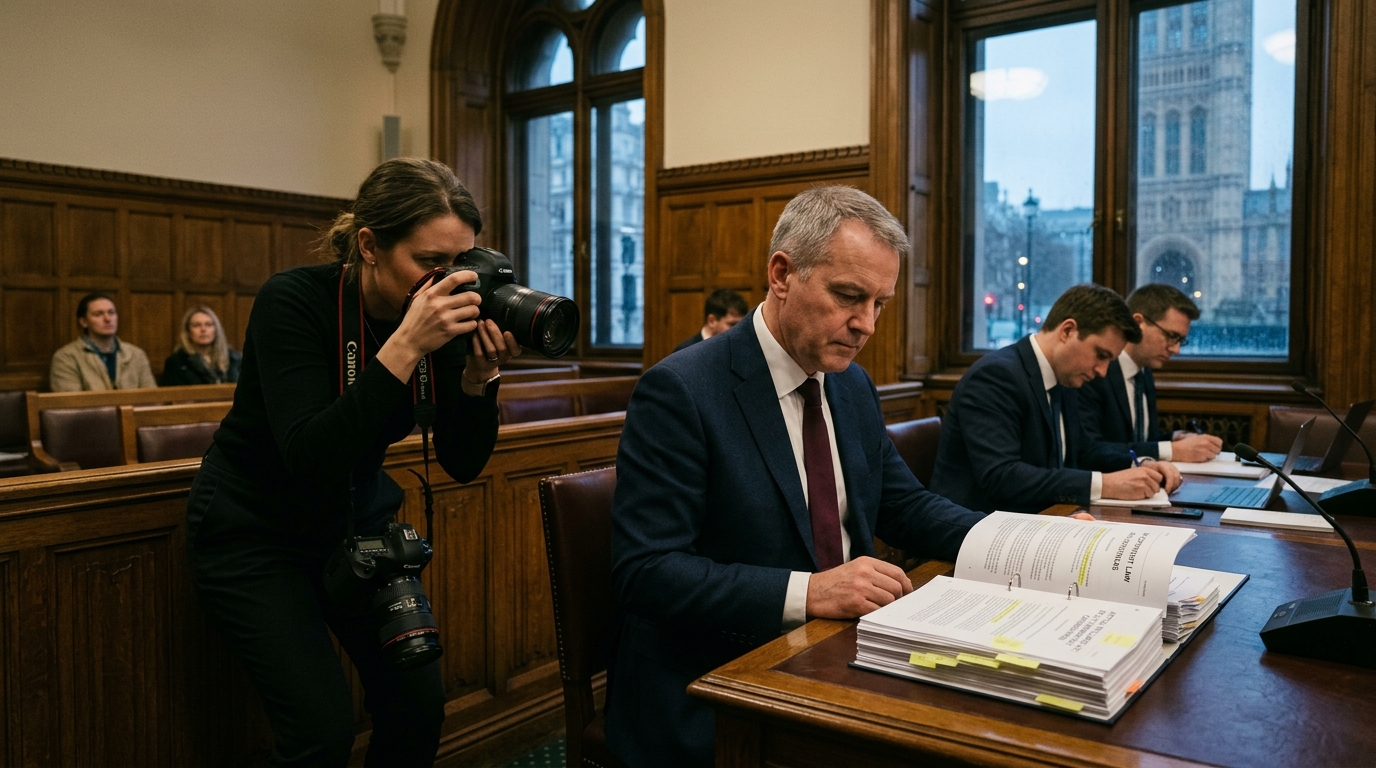
The dawn of the third decade of the 21st century has brought us face-to-face with a question that once belonged exclusively to the realm of science fiction: Can a machine be an artist? As generative artificial intelligence (AI) models like Midjourney, DALL-E, and ChatGPT flood the internet with images, texts, and music, the legal framework of intellectual property is shaking to its foundations. Recent analyses, including those by legal experts like Spyros Skiadopoulos, highlight a harsh reality for tech enthusiasts: in the world of law, creativity remains an exclusively human privilege.
The Doctrine of Human Authorship
At the heart of the legal dispute lies the concept of the "human spirit." From the era of the Berne Convention to modern intellectual property laws, the protection of a work presupposes the existence of a natural person who exerted creative effort. Courts in the United States, as well as the European Union, have repeatedly ruled that works produced exclusively by algorithms, without substantial human guidance, belong to the "public domain."
The landmark case of Stephen Thaler, who attempted to register copyright for a painting created by the AI system "Creativity Machine," ended in a resounding rejection. The District Court for the District of Columbia confirmed that intellectual property is not designed to protect non-human entities. This decision is not merely a bureaucratic detail; it is a philosophical boundary of what we consider "art" and "creation."
Global Convergence and Divergence
While the legal framework appears unified in the West, cracks are appearing. In the United Kingdom, the 1988 CDPA includes provisions for computer-generated works, attributing rights to the person who made the necessary arrangements for the work's creation. However, even there, interpretation remains narrow. On the other side of the planet, China seems to be following a more "innovation-friendly" path. Recent Chinese court rulings have recognized limited rights for AI-generated images, provided the user demonstrated significant aesthetic choice through "prompts."
In the European Union, the approach is more cautious. The new AI Act focuses more on transparency and ethics than on direct modification of copyright law. The EU's position remains that for a work to be protected, it must be the "author's own intellectual creation," something that AI, as a tool, cannot achieve autonomously.
Economic Implications and the Future of Creators
The refusal to grant copyright to AI works creates a paradox in the market. If a company uses AI to create its logo or an advertising character, that asset may not be protected from copying. This leads to a forced return to human creativity: businesses are realizing that "cheap" content production via AI comes with the risk of a lack of legal protection.
- Creators using AI as a tool (like Photoshop) must prove the extent of their own intervention.
- The entertainment and publishing industries are revising contracts to ensure the human origin of works.
- The open-source movement is gaining momentum as AI content automatically ends up in the public domain.
As we move into 2026, the debate is shifting from "if" AI can create, to "how" humans whose works were used to train these models will be compensated. The lack of copyright for the final AI product may be the last line of defense for protecting human labor in a digitized world.
"Technology can mimic style, but it cannot inherit the rights derived from human experience and the pain of creation."
Conclusion: Anthropocentric Legislation
The decision of courts to keep AI outside the framework of intellectual property is not a regressive move. On the contrary, it is an act of self-preservation for human civilization. If we allowed machines to hold rights, we would flood the world with countless works that would "lock" culture behind corporate algorithms. Creativity remains an act of communication between humans, and the law, for now, seems to respect that completely.