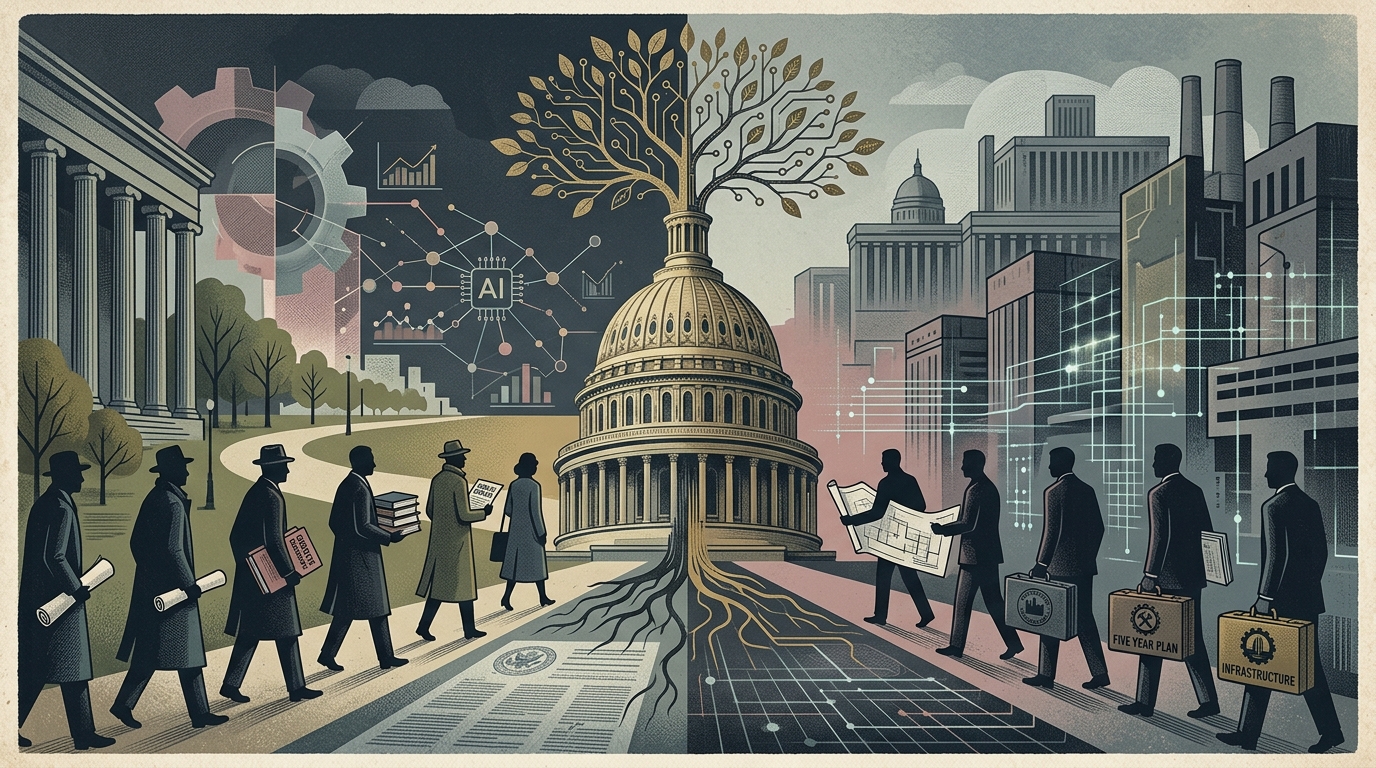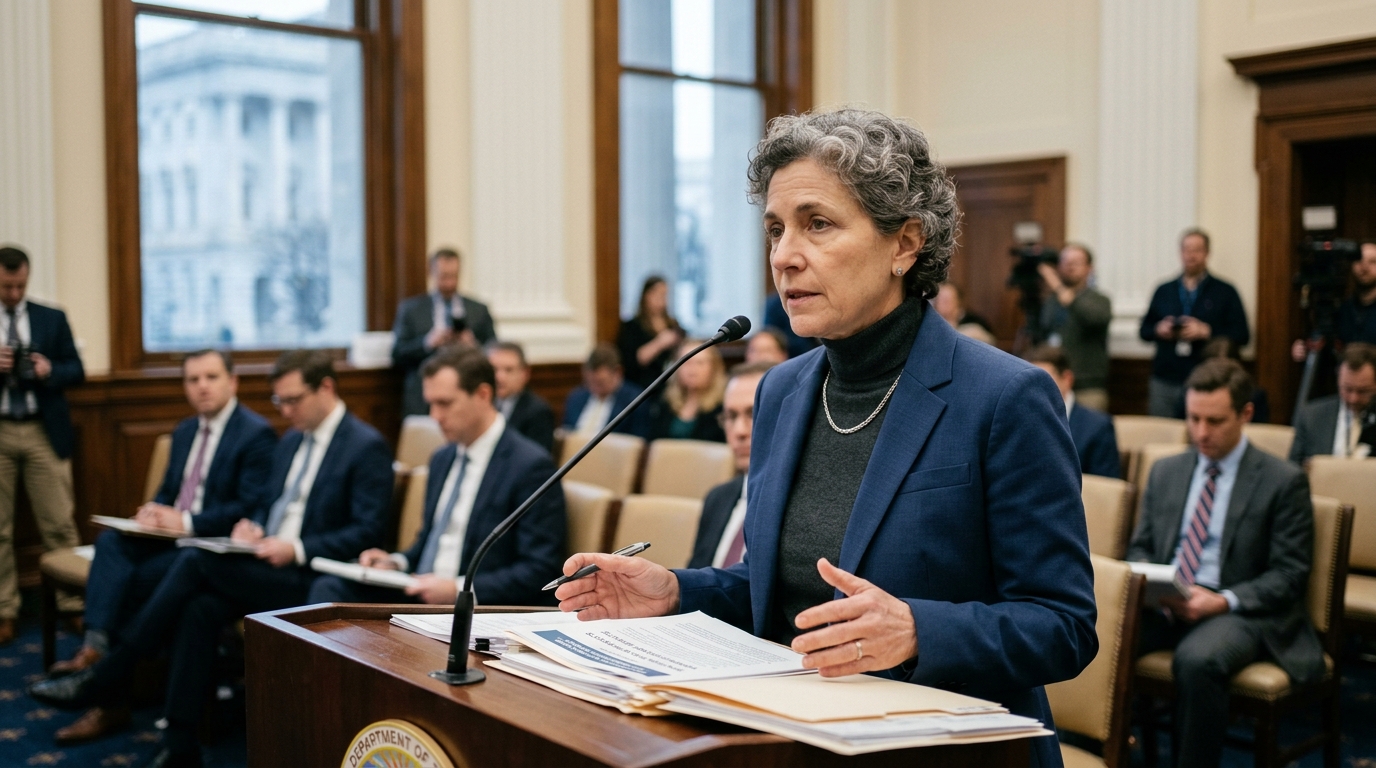
The era of Artificial Intelligence (AI) is no longer a matter exclusive to Silicon Valley developers or Wall Street investors. It is rapidly transforming into a physical challenge that tests the limits of infrastructure, land, and natural resources. U.S. Interior Secretary Deb Haaland, in recent remarks at Broadband Breakfast, emphasized that the AI boom is set to radically reshape energy demand in the United States, placing her department at the heart of a critical national effort.
The reality is stark: training a single large language model (LLM) consumes more energy than hundreds of households do in a year. As tech giants race to build gargantuan data centers, the question is no longer just where to find the chips, but where the power will come from to fuel them.
The Challenge of Public Lands and the Green Transition
The U.S. Department of the Interior manages one-fifth of the nation's land. Secretary Haaland made it clear that the management of these territories is now inextricably linked to technological sovereignty. To meet the surge in demand driven by AI, the government is accelerating the development of renewable energy on federal lands, focusing on solar, wind, and geothermal power.
However, the challenge is twofold. On one hand, there is pressure for rapid permitting of clean energy projects. On the other, the need to protect ecosystems and indigenous communities remains paramount. AI demands energy "here and now," but bureaucratic processes and environmental reviews often take years. Haaland noted that the administration is working to streamline these processes, but the balance remains delicate.
- Data center demand is projected to grow by 15-20% annually.
- A massive need to modernize an electrical grid dating back to the 20th century.
- Increasing pressure to utilize nuclear energy as a stable baseload source.
The "Invisible" Side of the Cloud
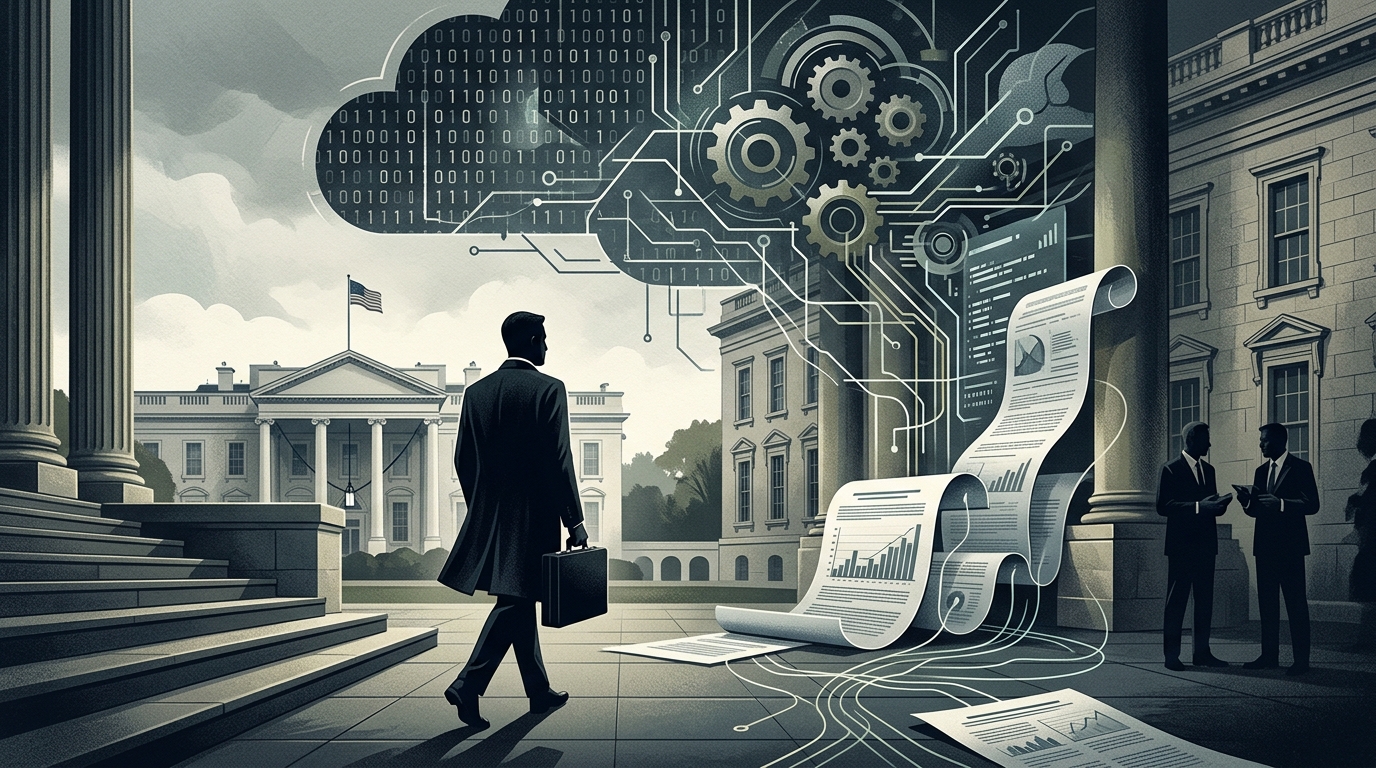
We often talk about the "cloud" as if it were something ethereal and intangible. In reality, the cloud is steel, concrete, miles of cabling, and, most importantly, heat. The data centers supporting AI generate immense amounts of thermal energy, requiring not only electricity for operation but also millions of gallons of water for cooling.
The Interior Secretary stressed that water resource management, especially in the arid Western states, is now a critical factor in approving new technological infrastructure. "We cannot allow progress in the digital sphere to lead to a regression in environmental sustainability," she remarked. AI creates a paradox: while it can help optimize energy grids, its very existence places a heavy burden on the environment it is meant to save.
"Technological innovation doesn't happen in a vacuum. It happens on our land, uses our water, and depends on our energy." — Deb Haaland, U.S. Secretary of the Interior
Geopolitics and National Security
The conversation about energy and AI is not just environmental; it is geopolitical. The U.S. is locked in a global competition with China for AI supremacy. If the U.S. fails to solve its energy problem, it risks falling behind as algorithms become increasingly energy-intensive.
Haaland and other officials point out that energy security is now synonymous with technological security. The need for "Sovereign AI" requires a domestic energy supply chain that does not depend on volatile international markets. This means more mining of critical minerals (such as lithium and copper) on American soil, a process that also falls under the Department of the Interior's jurisdiction and sparks intense political debate.
In conclusion, Secretary Haaland's warning serves as a wake-up call. The AI boom requires a wholesale rethinking of how the U.S. produces, transmits, and consumes energy. The success of this transition will determine not only the future of technology but also the resilience of our planet.