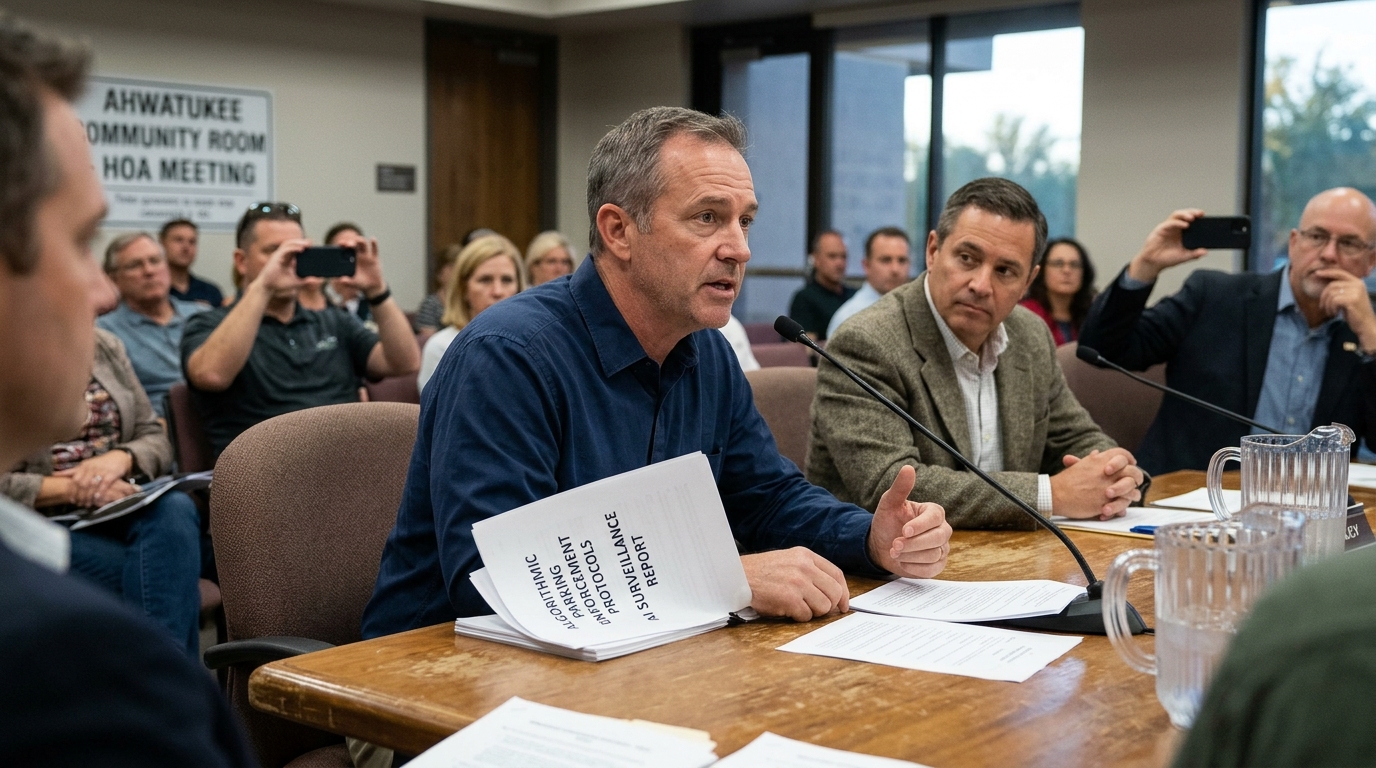
In the quiet suburbs of Phoenix, within the Ahwatukee community of Arizona, a seemingly mundane dispute over parking spaces has escalated into a profound existential debate regarding the role of Artificial Intelligence in our daily lives. The local Homeowners Association (HOA) has begun deploying AI-powered surveillance systems to enforce parking ordinances, igniting a firestorm of controversy that transcends neighborhood boundaries and touches upon fundamental issues of privacy, consent, and digital governance.
The Digital Suburban Patrol
Homeowners Associations in the United States are notorious for their stringent adherence to community aesthetics and order. However, the integration of AI is fundamentally altering the power dynamic. Moving away from traditional manual inspections by human officers—who might exercise discretion or overlook minor infractions—the new system operates with absolute, mathematical precision. Cameras equipped with License Plate Recognition (LPR) software and time-tracking algorithms now scan the streets 24/7, creating a persistent record of every vehicle's movement.
The controversy in Ahwatukee reached a boiling point when residents began receiving automated citations for violations captured by the AI without any prior warning or human intervention. For many, this represents more than just a quest for orderly streets; it marks the establishment of a 'digital panopticon' where every movement is monitored, logged, and potentially penalized by an algorithm.
Efficiency vs. Empathy: The Algorithmic Conflict
Proponents of AI integration argue that the technology eliminates subjectivity and bias from enforcement. "The AI doesn't have favorite neighbors," is a common refrain among proponents of automated governance. By automating the process, the HOA can reduce operational costs and ensure that the rules agreed upon by the majority are enforced consistently. However, this "blind" justice often fails to account for human context. A delivery driver pausing for an extra minute, a guest assisting an elderly resident, or a brief emergency stop are all treated as identical data points of non-compliance by the software.
Residents fear that this technological shift is eroding the social fabric of the neighborhood. When policing is outsourced to algorithms, the opportunity for dialogue and mutual understanding vanishes. The neighborhood ceases to be a collective of humans and becomes a data set to be optimized. This loss of nuance is the primary driver of the current backlash, as residents feel they are being treated as subjects in a controlled experiment rather than homeowners in a community.
Legal Gray Zones and the Future of Privacy
The Ahwatukee case highlights a significant legislative vacuum. While government use of AI for surveillance is subject to constitutional checks and balances, private entities like HOAs operate in a largely unregulated gray zone. The contracts signed by homeowners upon purchasing their property often grant broad powers to the association to "manage and protect the community," rarely specifying or limiting the technological means employed to do so.
Legal analysts warn that without specific legislative intervention, the use of AI in private enclaves will likely expand. Today it is parking; tomorrow it could be automated monitoring of lawn maintenance, pedestrian movements, or even social gatherings in common areas. The urgent question facing modern society is: How much personal liberty are we willing to trade for the promise of perfect order and the protection of property values?
Lessons from Arizona
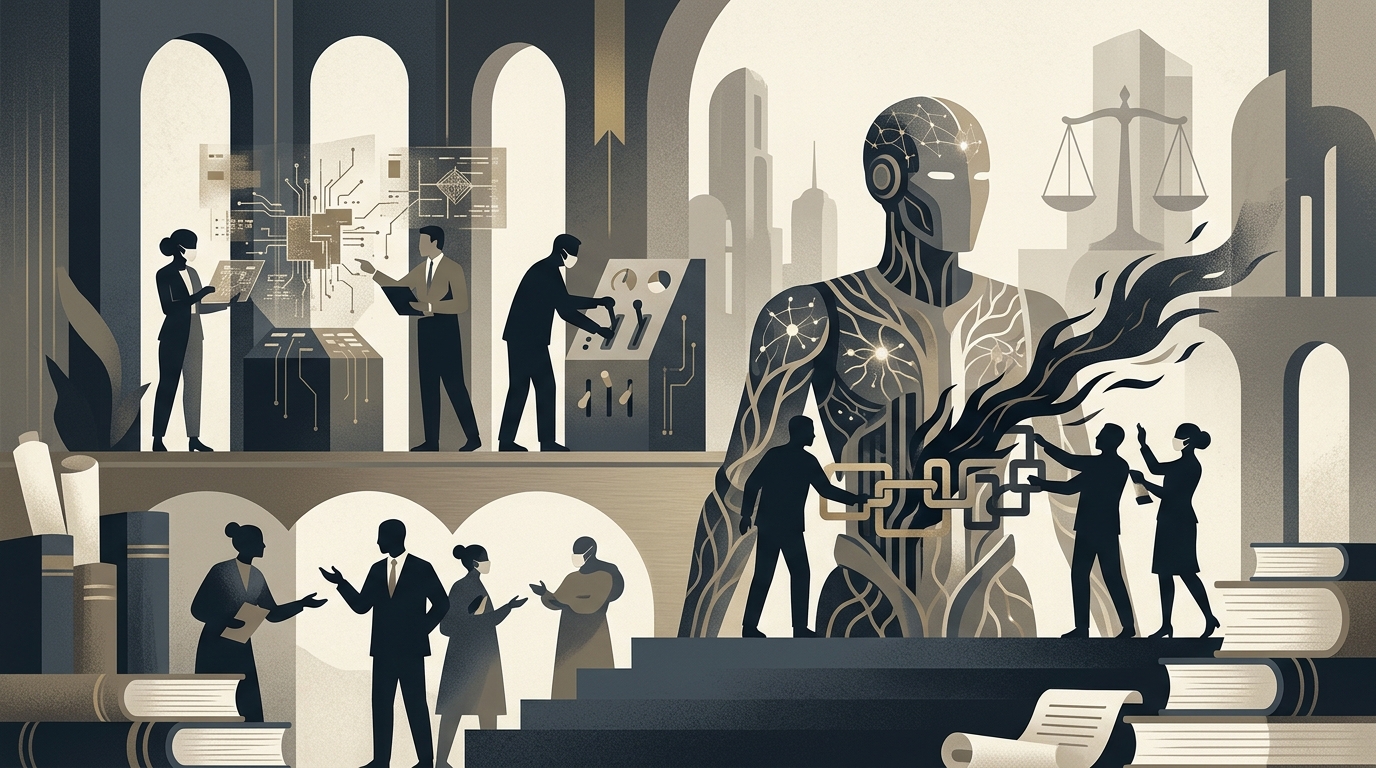
The controversy in Ahwatukee serves as a microcosm of the challenges society will face in the coming decade. Artificial Intelligence is not merely a tool for productivity; it is a new mechanism for the exercise of power. As algorithms increasingly take on the roles of judge and enforcer within our most private spaces, the need for transparency, accountability, and—above all—human oversight becomes paramount. Technology should serve to enhance human flourishing, not to transform citizens into permanent suspects within their own neighborhoods. The resolution of the Ahwatukee dispute will likely set a precedent for how private governance evolves in the age of automation.