As we navigate the mid-point of 2026, Artificial Intelligence has long ceased to be a mere tool for generating text or images. It has evolved into what experts term "Agentic Infrastructure"—a complex web of autonomous agents that make decisions, execute transactions, and manage critical resources. Yet, a fundamental question remains: Who sets the rules for these agents? A recent study published on ArXiv (2606.26203) introduces a revolutionary "Agentic Analysis" pipeline to understand the governance structures shaping our digital future.
The Clash of Two Worlds: DAOs vs. Corporations
The research focuses on comparing two diametrically opposed governance models: Decentralized Autonomous Organizations (DAOs) and traditional Corporate AI Protocols. While corporations like OpenAI, Google, and Anthropic operate under a closed, hierarchical model where decisions are made behind the closed doors of boardrooms, DAOs promise a more open, participatory approach. The study utilizes Large Language Models (LLMs) to parse thousands of pages of governance forums, GitHub commits, and corporate filings, identifying where power truly lies.
A striking finding is that interoperability—the ability for different AI systems to communicate with one another—is not just a technical hurdle, but a deeply political one. Corporations tend to build "walled gardens" to protect their market share, whereas DAOs, despite challenges in decision-making speed, promote standards that allow for the free flow of data and agents across platforms.
The Methodology of "Agentic Analysis"
The innovation of this study lies in using the very technology it examines. The researchers developed an "agentic pipeline" that functions as a digital political analyst. This system can analyze the rhetoric of governance proposals, identify hidden alliances among token holders in DAOs, and compare these dynamics with the strategic announcements of tech giants.
- Automated Discourse Analysis: LLMs categorize discussions into themes of safety, ethics, profit, and decentralization.
- Influence Mapping: Identifying the individuals or entities that steer the direction of open-source protocols.
- Conflict Prediction: The system can predict when two different protocols will head toward incompatibility due to conflicting governance interests.
"We can no longer rely on human analysts to keep pace with the speed at which autonomous protocols evolve. We need agentic intelligence to oversee agentic infrastructure," the researchers state.
Policy Implications and the Future of Oversight
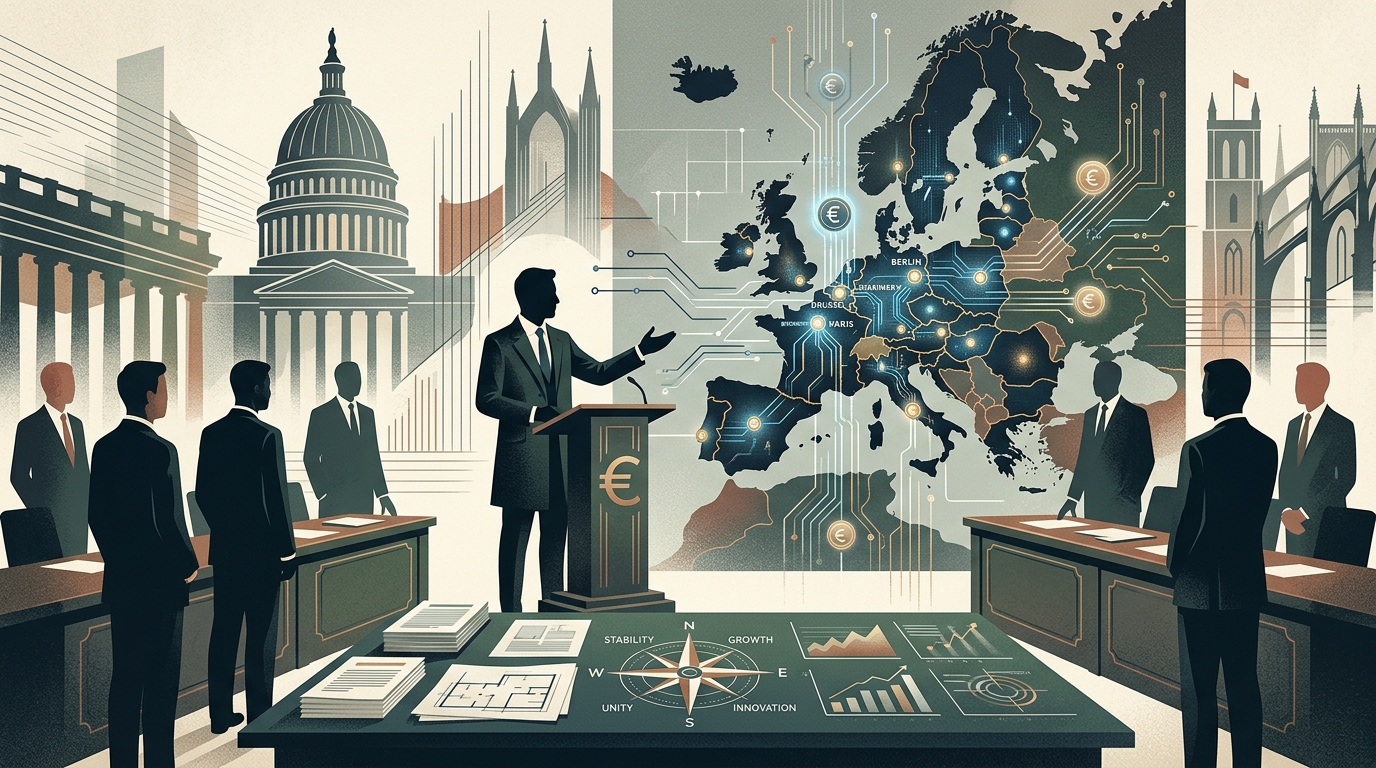
For regulators in the EU and the US, this study serves as a wake-up call. Traditional legislation, such as the AI Act, focuses primarily on models rather than the governance protocols that surround them. "Agentic Analysis" provides a tool for lawmakers to monitor in real-time whether promises of "safe and ethical AI" are being upheld in practice or are merely marketing fluff.
The stakes are immense: If the infrastructure of tomorrow's economy is controlled by opaque corporate protocols, we risk entering a new era of digital feudalism. Conversely, if DAOs can enforce democratic interoperability standards, AI could remain a public good. The study concludes that the transparency offered by LLMs in analyzing governance may be our last line of defense against unchecked automation.