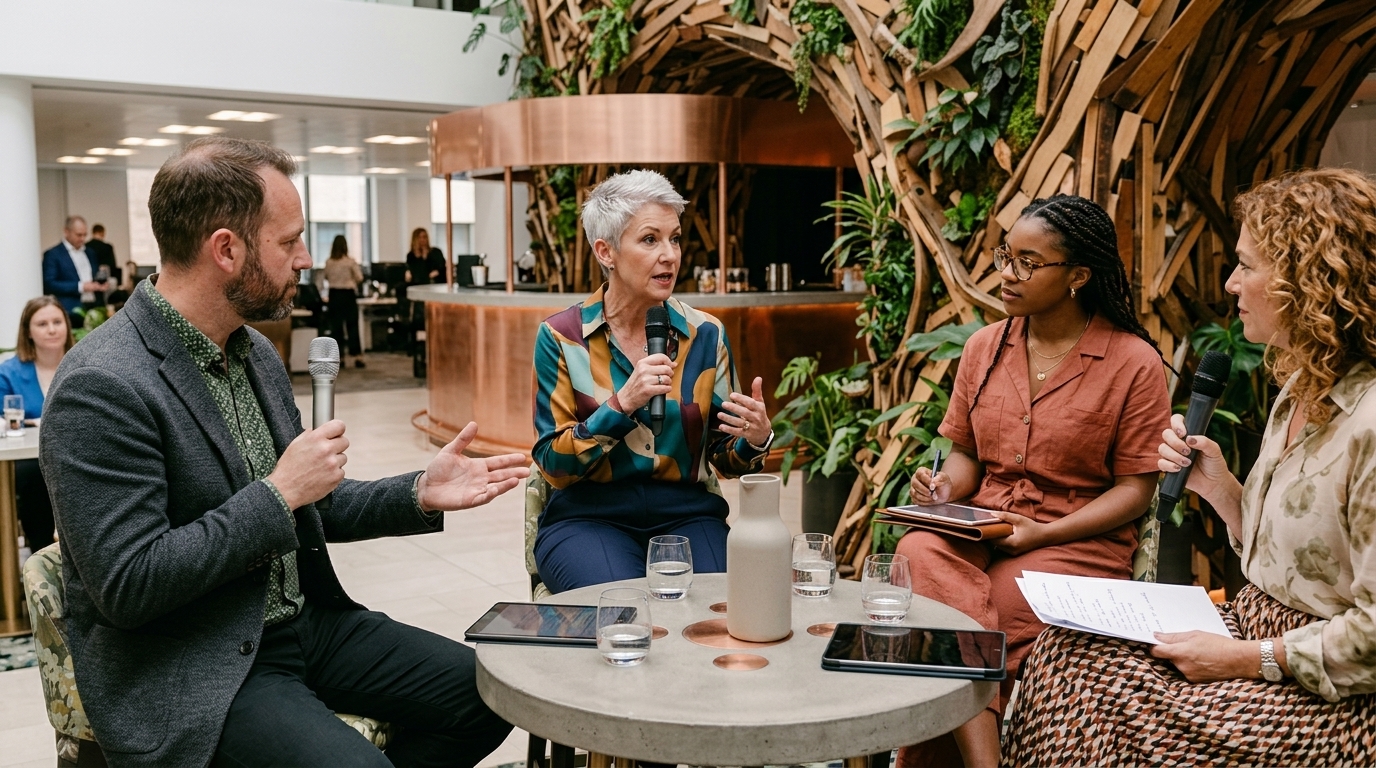
At the Workplace Innovation Roundtable 2026, the discussion on the future of work in Greece took on a new, deeply human-centric dimension. As we navigate the second half of the 2020s, Artificial Intelligence is no longer an exotic promise but a daily operational reality. However, the central conclusion from top executives at Eurobank, PPC Group (ΔΕΗ), and Papastratos was clear: technology is the tool, but culture is the driving force.
Trust as the New Corporate Currency
Organizational culture is no longer an abstract concept confined to HR manuals. In the dawn of 2026, trust has emerged as the most powerful "currency" in the labor market. Participants at the roundtable emphasized that in an environment of constant disruption, employees seek security not just in financial stability, but in ethical alignment with their employer.
For Eurobank, digital transformation was never just about replacing legacy systems; it was about empowering its people to become advisors rather than mere transactional clerks. This transition requires a culture of continuous learning, where "unlearning" old practices is just as vital as "reskilling." Trust is built when an employee feels the company is investing in their personal growth, preparing them for a world where human-machine collaboration is the norm.
PPC and Papastratos: Two Models of Radical Transformation
The case of the PPC Group (ΔΕΗ) is perhaps the most emblematic example of transformation in the Greek market. From a traditional utility company reliant on lignite, PPC has evolved into a modern, green energy player with an international outlook. This shift would have been impossible without a radical overhaul of workplace culture. PPC leadership highlighted that involving employees in designing the "next day" was key to overcoming resistance and fostering a spirit of innovation.
Similarly, Papastratos, having completed its transition into a technology and science-driven company, now focuses on creating an environment that promotes inclusion and psychological resilience. Papastratos' culture is built on the premise that innovation isn't born in sterile labs, but through diversity of thought and the freedom for employees to propose solutions without the fear of failure. The "human face" of transformation here means recognizing the need for work-life balance in a world that never truly "switches off."
The Challenge of AI and Demographics
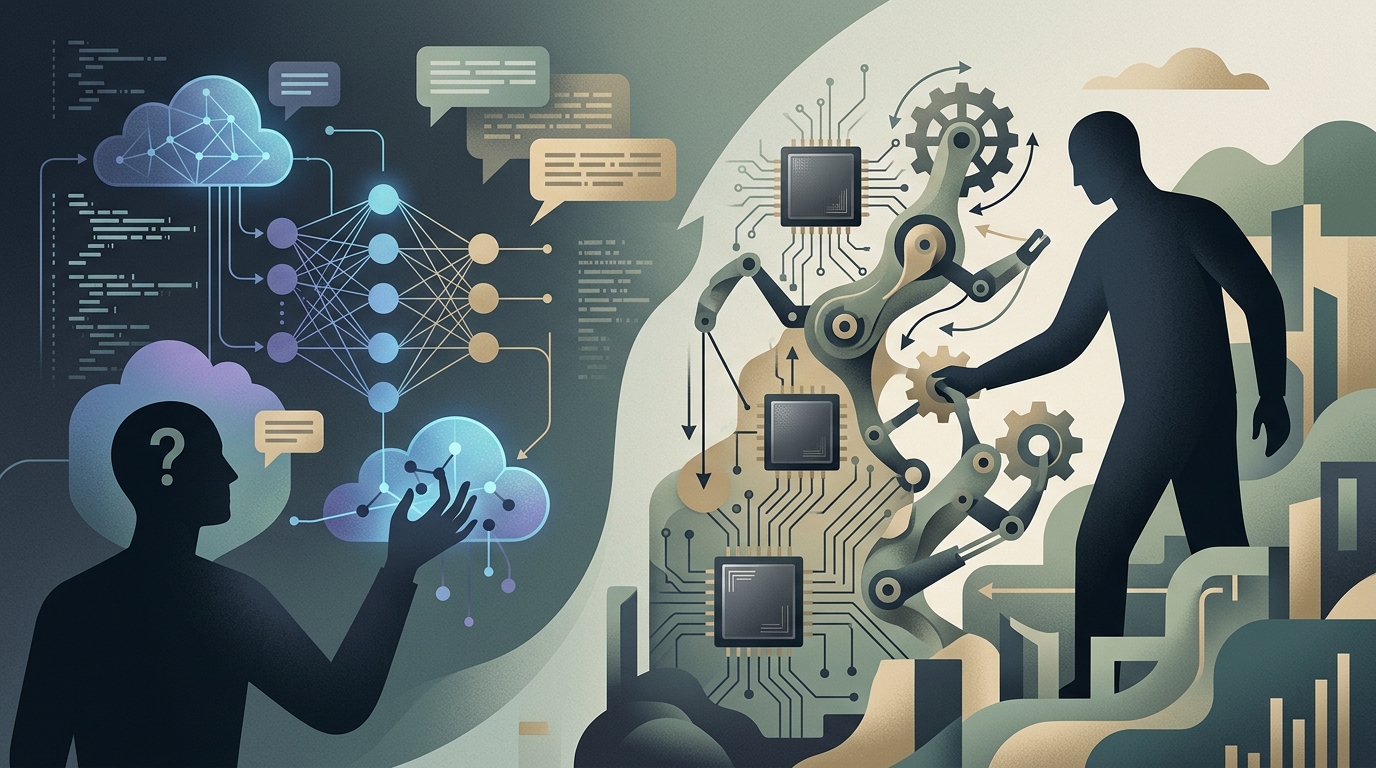
The discussion inevitably touched upon the two major "pain points" of our era: Artificial Intelligence (AI) and Demographics. AI is no longer viewed as a threat to jobs, but as a "co-pilot" that frees up time from repetitive tasks. However, the challenge lies in the fair distribution of productivity gains. Leaders agreed that culture must encourage critical thinking and the ethical use of technology.
Regarding demographics, Greece faces the dual challenge of brain drain and an aging population. The solution, according to the panel, lies in "intergenerational culture." Companies must find ways to bridge the experience of veteran executives with the technological prowess of younger generations (Gen Z and Alpha). Creating an inclusive environment that respects the needs of every age group is the only way for Greek businesses to remain competitive on a global scale.
Conclusions for the Future
The Workplace Innovation Roundtable 2026 demonstrated that success in the 21st century is measured not only by financial KPIs but also by employee happiness and engagement scores. Culture isn't the icing on the cake; it is the recipe itself. The businesses that will survive and thrive are those that manage to combine technological superiority with human empathy, creating workplaces where the human remains at the heart of every decision.