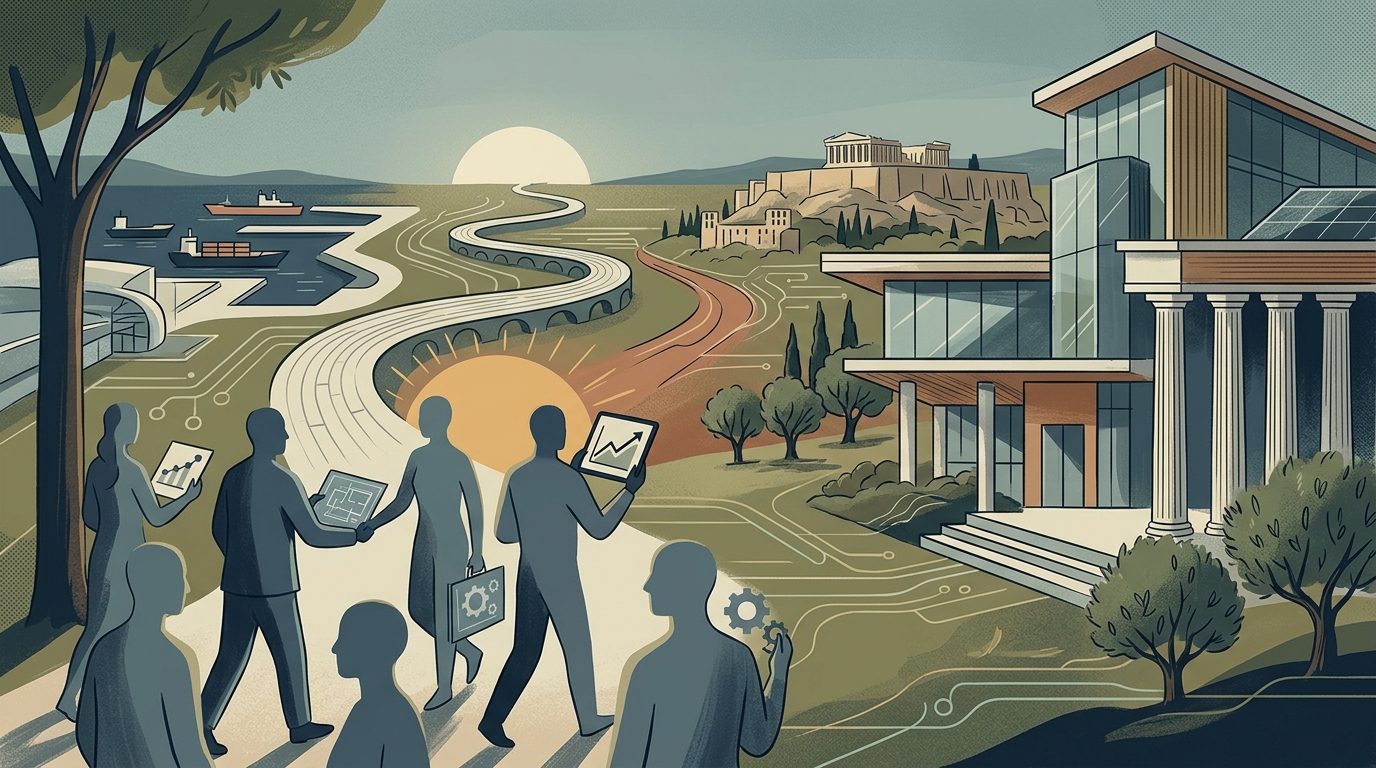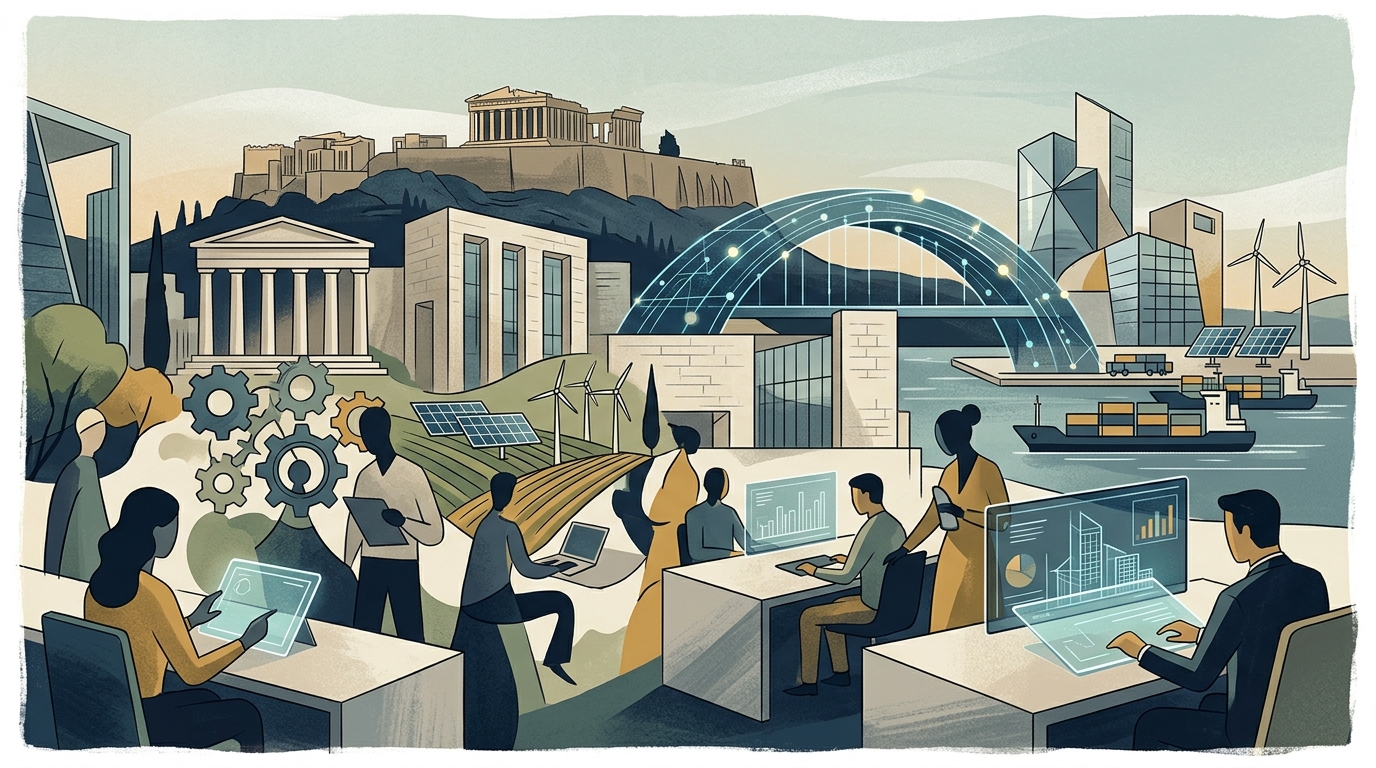
The discourse surrounding Artificial Intelligence (AI) often oscillates between utopian enthusiasm and dystopian dread. At the heart of this conflict lies the question of labor. Will we all become obsolete? Will lawyers, programmers, and office clerks be replaced by algorithms that never tire and never strike? As we navigate 2026, data is beginning to reveal a different, more complex picture that is far from the 'Apocalypse' scenario.
The Historical Perspective: From Luddites to Spreadsheets
This is not the first time humanity has faced the fear of technological unemployment. From the first Industrial Revolution and the Luddites who smashed looms, to the advent of computers in the 1980s, the fear has remained consistent. However, history teaches us that technology tends to eliminate tasks, not jobs.
A classic example is the ATM. When automated teller machines were introduced, many predicted the end of bank tellers. Instead, the cost of operating branches fell, allowing banks to open more locations, while employees shifted from simple cash counting to more complex advisory services. AI appears to be following the same pattern: automating the mundane and repetitive, freeing up time for critical thinking and creativity.
Demographics as a Shield
One parameter often overlooked in AI analyses is the demographic crisis in the West and East Asia. With aging populations and a shrinking workforce in countries like Greece, Germany, and Japan, AI is not coming to steal jobs, but to fill gaps. Without the productivity boost offered by AI, social security systems and economic growth would risk collapse due to a lack of labor.
- AI allows smaller teams to produce work that previously required entire departments.
- In healthcare, AI helps the limited number of nurses and doctors manage a larger volume of patients with greater precision.
- In Greece, AI adoption can serve as an 'antidote' to brain drain, allowing highly skilled professionals to work from their home country with global reach.
Skill Shifting and the New Economy
Instead of the disappearance of work, we are experiencing a massive reallocation. Demand for 'Prompt Engineers,' AI data analysts, and tech ethics specialists has skyrocketed. Even in traditional sectors, the ability to collaborate with AI (human-in-the-loop) is becoming the most critical skill on a candidate's resume.
"AI will not replace humans, but humans who use AI will replace those who do not."
This phrase reflects the reality of 2026. The challenge is not a lack of work, but the speed of retraining. Governments and businesses must invest heavily in reskilling programs so that the transition does not leave the most vulnerable social groups behind.
The Productivity Paradox and the Future
While AI can write code and generate reports, it still lacks the nuance of human judgment, empathy, and strategic intuition. The 'Apocalypse' is unlikely because human needs are infinite; as soon as one necessity is met cheaply through automation, new desires and sectors emerge. The focus must now shift from fearing the machine to mastering it, ensuring that the wealth generated by AI productivity is distributed equitably across society.