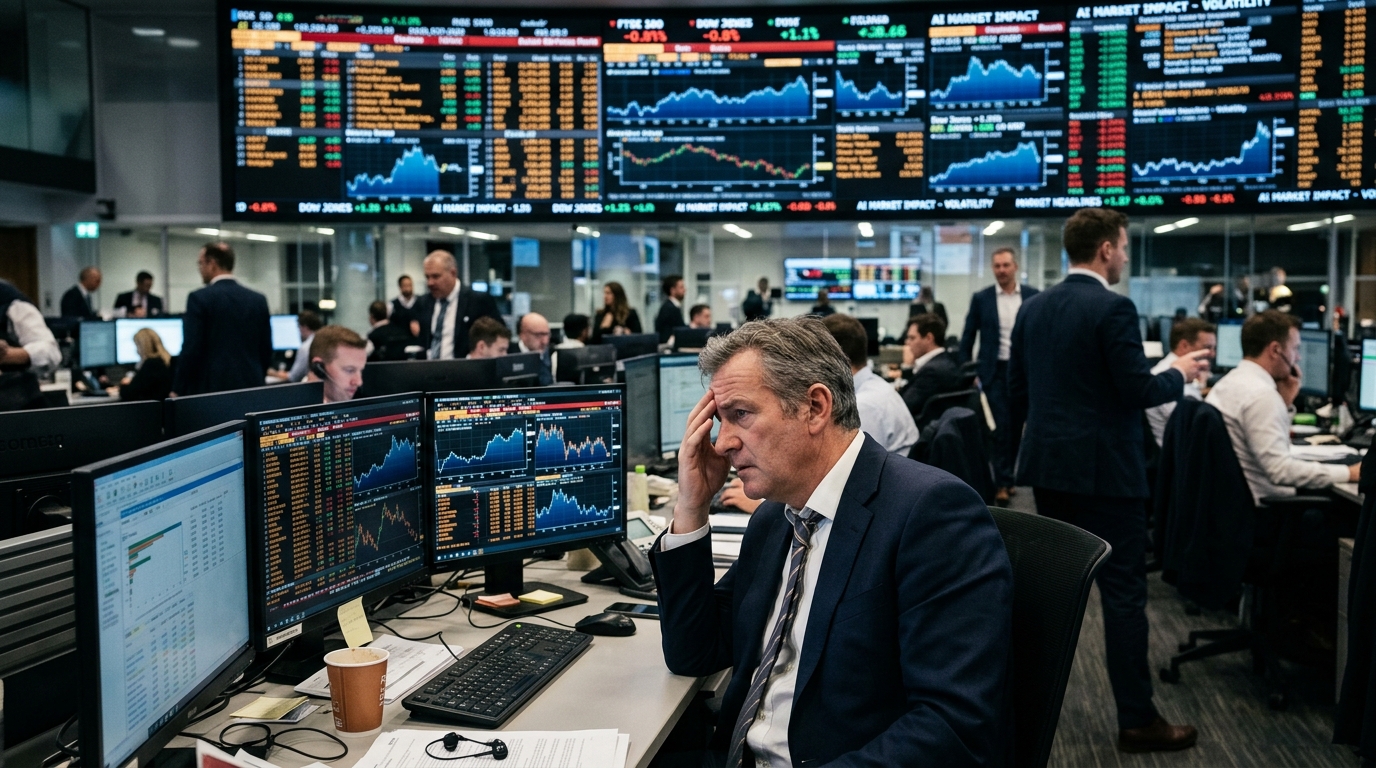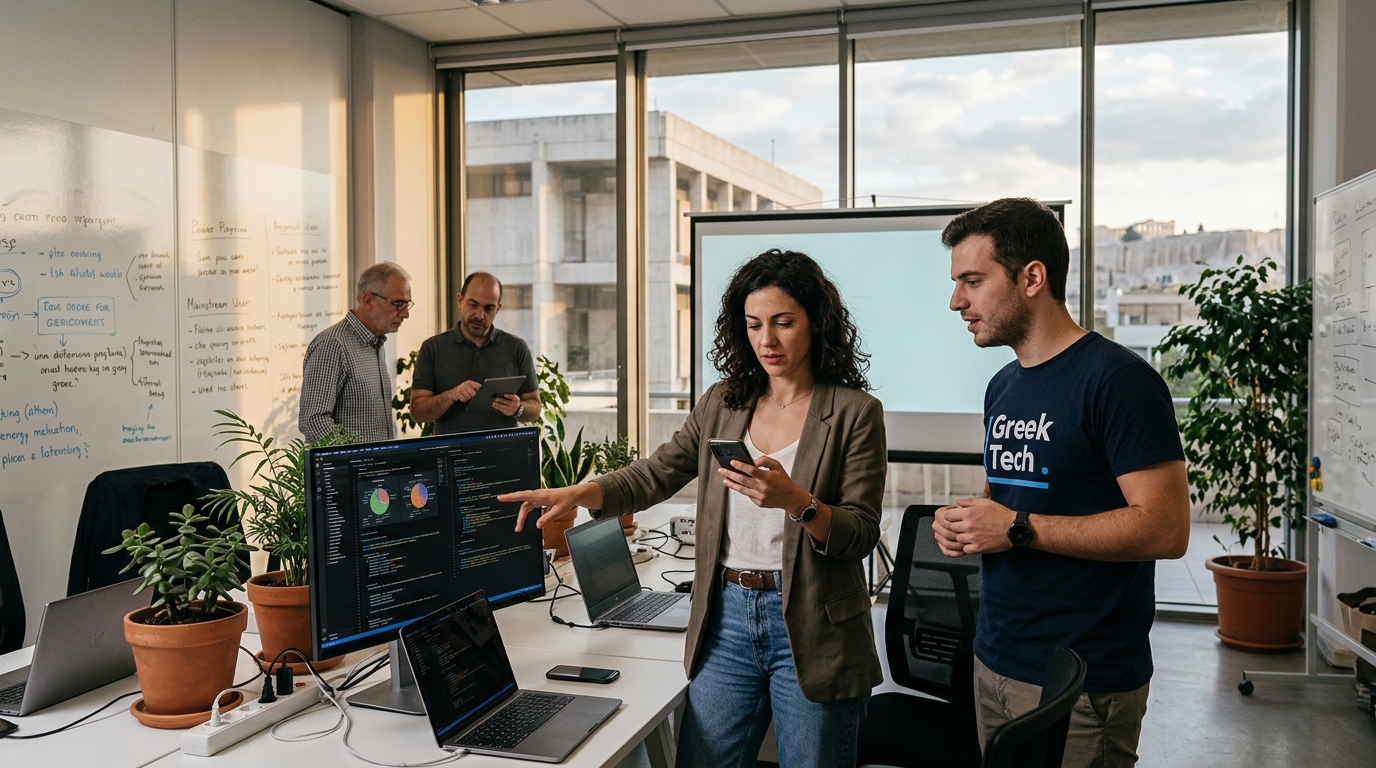
The emergence of Generative AI has not merely been a technological innovation; it has served as a social catalyst reshaping the global professional and cultural landscape. As tools like ChatGPT, Midjourney, and Claude weave themselves into the fabric of daily life, it is becoming increasingly evident that society is not reacting in a uniform manner. Instead, we are witnessing the formation of three distinct "tribes" or psychographic profiles, each perceiving AI through a fundamentally different lens: the Power Users, the Mainstream, and the Resisters.
This stratification does not necessarily follow traditional lines of age or socio-economic status, though these factors certainly play a role. It is a deeper philosophical and practical stance regarding the future of human labor and creativity. Understanding these groups is critical for businesses, policymakers, and educators, as the divide between them threatens to create new forms of social inequality.
The Power Users: Orchestrating the Algorithmic Symphony
At the apex of the pyramid sit the "Power Users." This group does not view AI simply as a tool, but as an extension of their own cognitive abilities. They are professionals and enthusiasts who spend hours perfecting prompts, automating complex workflows, and tracking every new Large Language Model (LLM) release.
For a Power User, AI is the "co-pilot" that allows them to produce work that would previously have required an entire team. These users have already integrated AI into their decision-making, programming, and creative writing. Their defining characteristic is adaptability. They do not fear replacement because they believe that the human who masters AI will replace the human who does not. However, this group also faces risks, such as over-reliance on algorithms and a tendency toward "techno-optimism" that often overlooks ethical gray areas.
The Mainstream: Pragmatism Over Ideology
The majority of the population falls into the "Mainstream" category. These are users who employ AI because it is there, because it helps them draft an email faster or summarize a lengthy document. They are not interested in the architecture of neural networks or the philosophical debate surrounding Artificial General Intelligence (AGI). They are interested in utility.
For the mainstream group, AI is like Google Search or Microsoft Word: a necessity of modern life. Their attitude is pragmatic. If AI saves them time, they will use it. If it complicates things, they will ignore it. The problem with this group is a potential lack of critical thinking regarding AI outputs. They often accept "hallucinations" as fact, making them vulnerable to misinformation. The challenge here is digital literacy education, ensuring that AI usage does not lead to intellectual atrophy.
The Resisters: The New Luddites or Modern Sentinels?
At the other end of the spectrum are the "Resisters." This group consists not only of those who struggle with technology but also of intellectuals, artists, and workers who consciously oppose the expansion of AI. Their reasons for resistance are multi-layered:
- Ethical Concerns: The use of unlicensed data to train models is seen by many as "digital theft."
- Professional Survival: The fear of mass unemployment and the devaluation of human skill.
- Existential Anxiety: The belief that AI erodes the human essence and the authenticity of creation.
"Resistance to AI is not always regression; it is often an act of preserving human dignity against algorithmic homogenization," note labor market analysts.
Resisters often opt for "AI-free" zones in their work or demand stricter legislative frameworks. While often dismissed as "Luddites" by technocrats, their voice is essential for setting boundaries on the unchecked growth of technology.
Bridging the Divide: The Socio-economic Implications
The coexistence of these three tribes creates a new social dynamic. The gap between Power Users and Resisters is not just technological; it is economic. The former gain a massive productivity advantage, translating into higher pay and influence, while the latter risk being marginalized in a labor market that increasingly demands "AI literacy."
In the European context, and specifically in markets like Greece, this distinction is particularly visible. With an economy based on small and medium-sized enterprises (SMEs) and the service sector, AI adoption by the mainstream mass is slow, while Power Users are largely confined to the tech and export sectors. The state must bridge this gap, not by forcing AI on everyone, but by ensuring the transition occurs under terms of fairness and protection of workers' rights. Artificial Intelligence must not become the tool that divides society into the "knows" and the "excluded," but rather a bridge toward a more efficient and human-centric future.