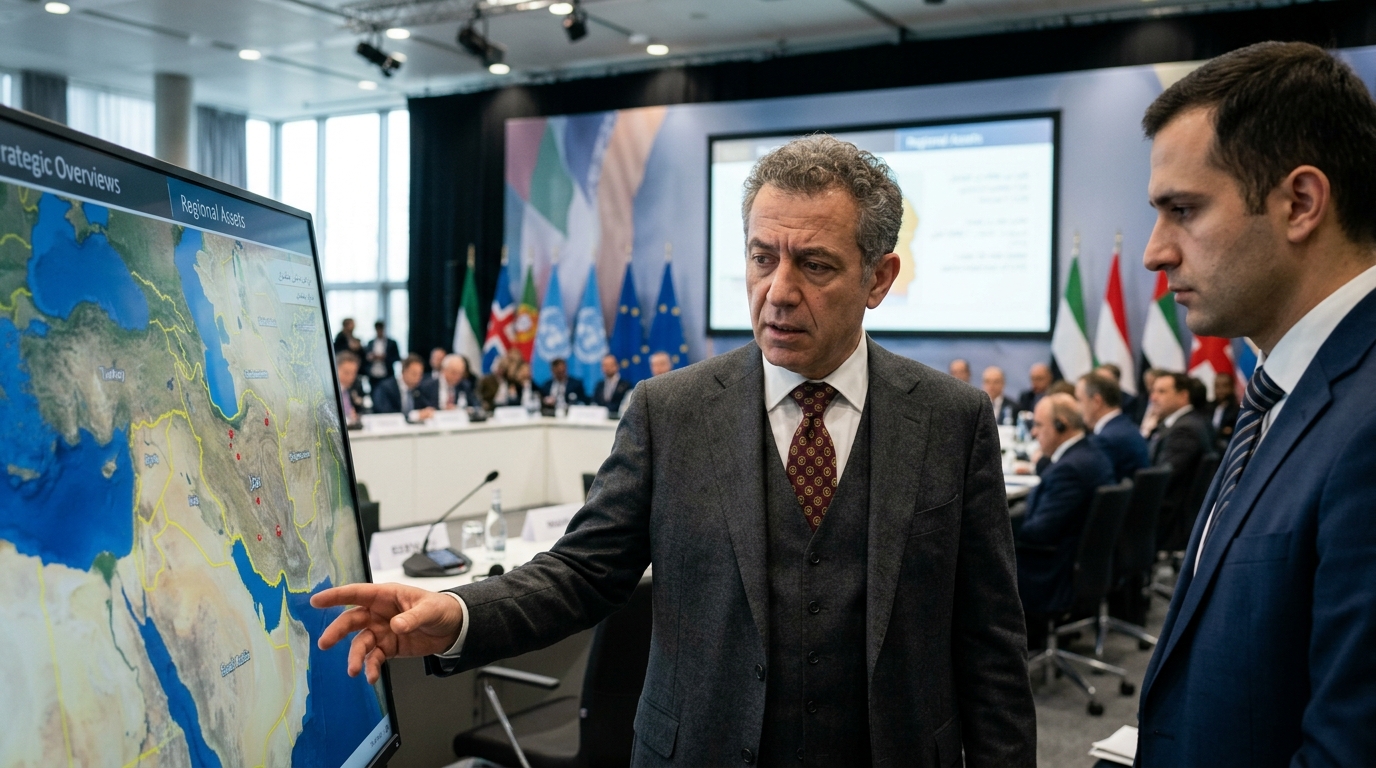
In the modern geopolitical chessboard, truth is often the first casualty, but in the age of Artificial Intelligence, the very concept of truth has become fluid. Recent footage released by Iran, depicting vast underground facilities filled with ballistic missiles and drones, has sparked intense debate among intelligence analysts: Are these shots a product of exceptional engineering or the result of sophisticated generative AI algorithms?
The Strategy of 'Missile Cities'
For decades, Iran has invested in what it calls 'missile cities'—networks of tunnels deep beneath mountains designed to protect the country's arsenal from airstrikes, particularly from the US or Israel. The recent footage shows endless corridors with soldiers in perfect formation and missile arrays that seem to stretch into infinity. However, the sheer perfection of the imagery is what raises suspicions.
Image analysis experts point to certain inconsistencies that suggest AI involvement. Pattern repetition, unnatural light reflections on the missiles' metallic surfaces, and a lack of organic dust or imperfections in environments supposedly carved into rock are significant 'red flags.' Nevertheless, Tehran insists these are real facilities, such as the 'Eagle 44' base, which has been partially verified by low-resolution satellite imagery.
AI as a Tool of Psychological Warfare
Regardless of whether the video is 100% authentic, the use of AI in war propaganda represents a new reality. Iran, like other powers, understands that in the social media era, the perception of power is just as important as power itself. A video created or enhanced by AI can act as a deterrent, sowing doubt in adversaries regarding the size and readiness of the arsenal.
- Visual Deterrence: Creating an image of invincible military might through digital processing.
- Cost-Benefit: It is far cheaper to create a digital tunnel than to dig a real one if the goal is merely intimidation.
- Information Diffusion: The difficulty for intelligence agencies to distinguish real from digital delays strategic decision-making.
This strategy is not new, but the tools have evolved. We have moved from the wooden dummy tanks of World War II to deepfake videos and digitally expanded bases. The question remains: How much of this arsenal can actually be launched in the event of a conflict?
Geopolitical Implications and the Western Response
The presentation of these bases comes at a time of extreme tension in the Middle East. With the war in Gaza and conflicts in Lebanon raging, Iran wants to send a clear message to its regional rivals. The US and Israel are watching closely, using their own AI tools to analyze the videos frame by frame.
"Technology has rendered visual evidence unreliable. In the future, confirming a threat will require a combination of signals from multiple sources, as the eye can no longer trust the screen," says a defense analyst.
In conclusion, the case of the Iranian missile bases serves as a case study for how Artificial Intelligence is being integrated into the doctrine of 'active defense.' Even if the bases exist, their digital magnification serves a purpose: to make an invasion or a strike appear suicidal. The reality lies somewhere in the middle, between the concrete tunnels and the algorithmic code.