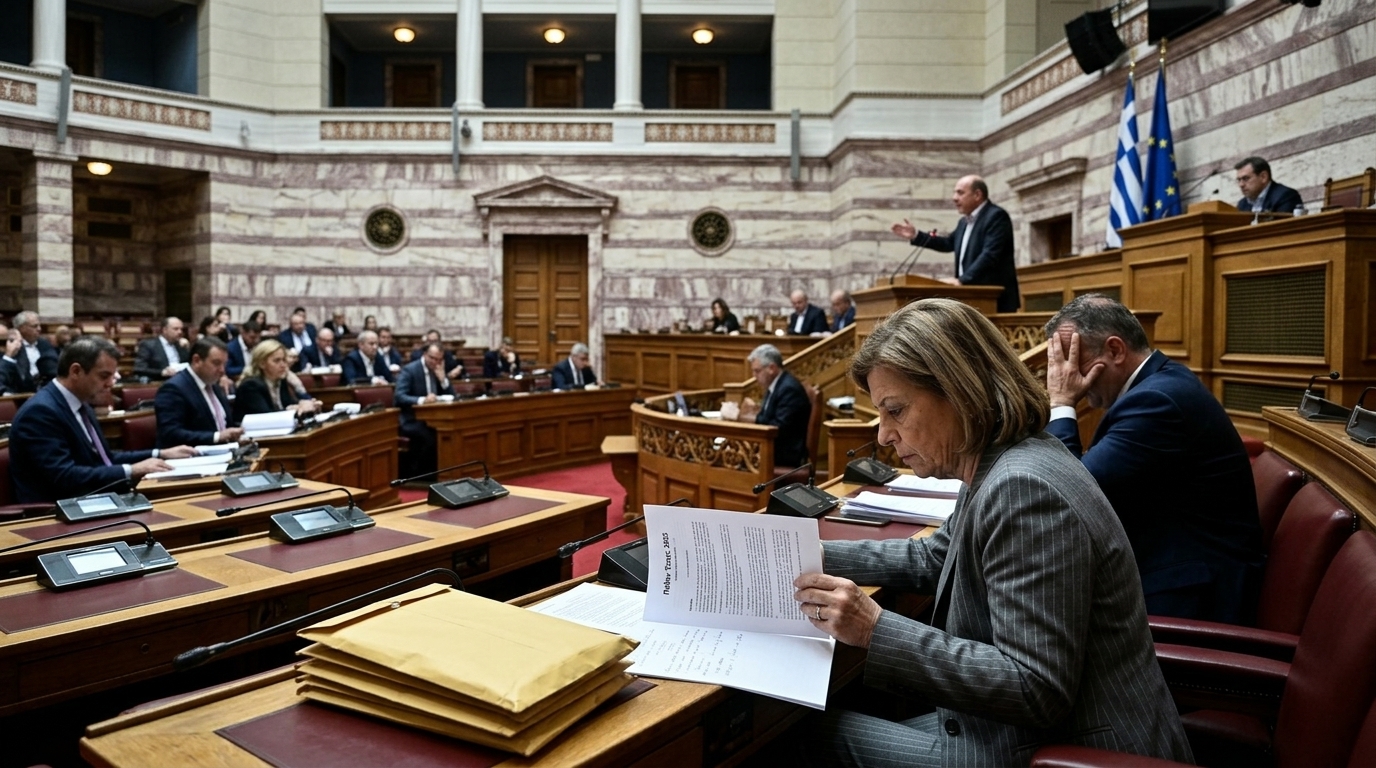
The annual publication of asset declarations, known in Greece as "Pothen Esches" (Where did it come from and what is held), is one of the most discussed moments in the Greek political calendar. For the year 2025, the Hellenic Parliament released 1,854 declarations covering MPs, MEPs, party leaders, and local government officials. Despite the technological upgrades to the platform and the communicative emphasis on transparency, the process continues to evoke mixed feelings among the public, who often perceive these disclosures as a routine bureaucratic exercise rather than a substantive anti-corruption mechanism.
The Geography of Political Wealth
This year's declarations paint a clear picture of the country's political and economic elite. Leaders of the major political parties maintain, for the most part, robust portfolios including real estate in prime Attic locations, bank deposits in domestic and foreign institutions, and various investment products. An interesting trend in the 2025 data is the shift of several officials toward bond markets and mutual funds, reflecting an effort to diversify wealth amidst a volatile global economic environment.
However, the analysis of these figures reveals that the gap between the political class and the average citizen remains vast. While Greek society struggles with persistent inflation and a housing crisis, the declarations of the 1,854 obligated persons include hundreds of properties, ranging from agricultural plots to luxury villas. This comparison, while legally permissible, raises a moral issue that often fuels populism and the erosion of trust in democratic institutions.
The 'Pothen' Remains the Big Question Mark
The fundamental flaw of the system remains its inability to verify the source of funds. As analysts and legal experts point out, the system is excellent at recording the "Esches" (what someone possesses) but proves inadequate in investigating the "Pothen" (how these assets were acquired). The Parliament's Audit Committee is tasked with managing a massive volume of data with limited resources, resulting in audits that are often confined to formal cross-referencing of data points.
"Transparency is not just about posting a PDF file on the internet. It is the state's ability to prove that every euro in a public official's pocket comes from legitimate and taxed sources," notes a senior official from the Anti-Money Laundering Authority.
Furthermore, delays in publishing these declarations—which often pertain to fiscal years long past—diminish the information's relevance. For 2025, the process was completed after successive extensions, attributed to technical glitches in the new platform and the complexity of new regulations regarding the declaration of stakes in foreign companies.
Digital Transformation vs. Bureaucracy
The transition to the new digital era for Asset Declarations promised automated cross-checks with the tax authorities (Taxisnet) and banking institutions. Although progress has been made, reality shows that bureaucracy remains entrenched. Many declarants complain about the difficulty of filling out the forms, while citizens find it cumbersome to navigate the Parliament's website to find the information they seek.
- The declarations cover income, real estate, vehicles, business participations, and debt obligations.
- For the first time, there is a greater emphasis on cryptocurrencies, although their reporting remains largely voluntary and difficult to verify.
- The debt obligations of political figures remain a thorny issue, as large loans often appear to be serviced in ways that are not always transparent to the public eye.
In conclusion, the release of the 2025 Pothen Esches is a reminder of the need for a more rigorous, independent, and automated auditing system. Transparency should not be a mere communication stunt but a living mechanism of accountability that restores citizen confidence in the political system. Without a substantive investigation into the origins of wealth, these lists will remain nothing more than an inventory of assets that impresses more than it monitors.