

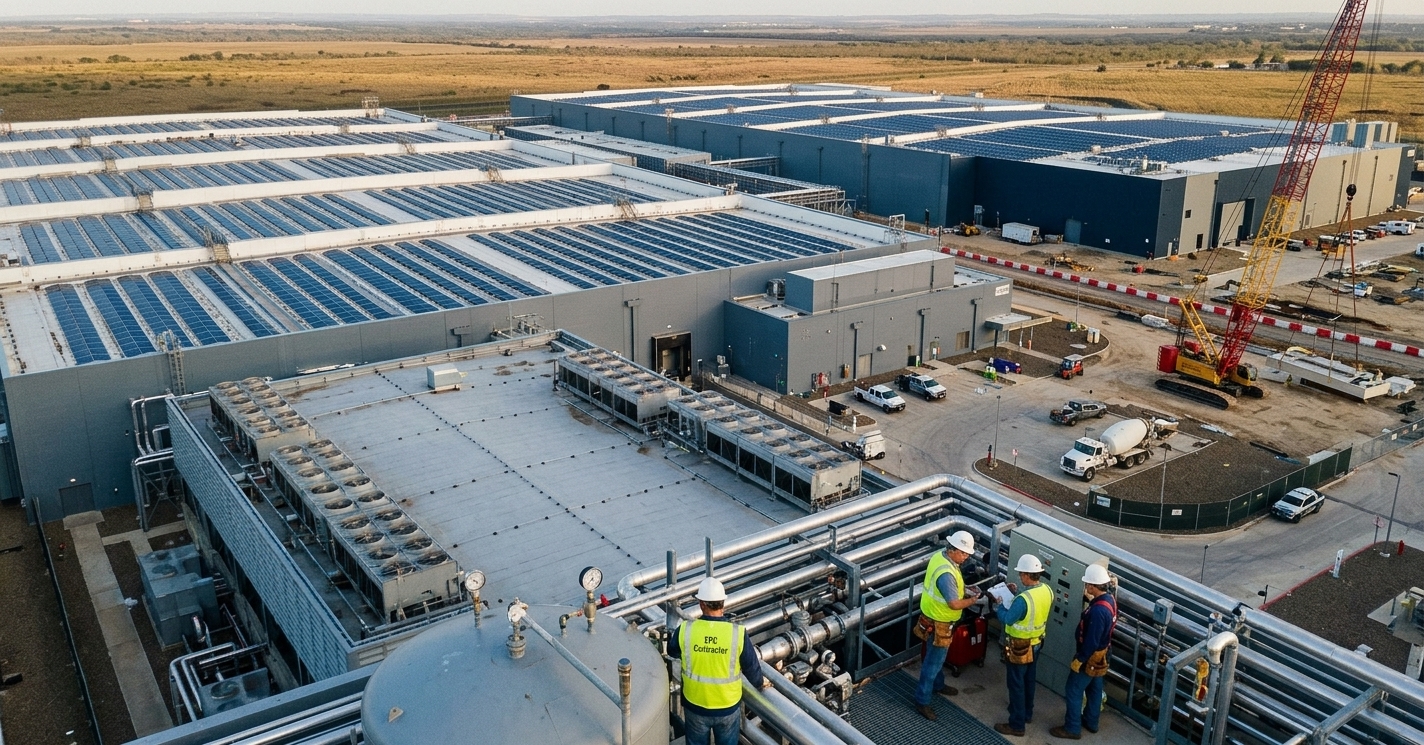
In the heart of Texas, where the traditional oil industry meets the surging AI economy, a financial battle is unfolding that tests the limits of state-sponsored incentives. Chevron, one of the world’s largest energy titans, has filed an application for significant tax breaks from a local school district in the Galveston area. The goal? To construct a natural gas-fired power plant designed not for the public grid, but to exclusively power data centers.
The Transformation of Energy into Compute
This move by Chevron is more than just a business expansion; it is a strategic pivot. As demand for artificial intelligence skyrockets, tech giants like Google, Amazon, and Microsoft are desperately seeking stable power sources. Texas, with its independent energy grid (ERCOT) and business-friendly regulatory environment, is the premier destination. However, Chevron’s attempt to utilize the "Chapter 403" program—the new iteration of Texas's controversial tax incentive scheme—raises critical questions about who truly benefits from these deals.
The Chapter 403 program allows companies to reduce the taxable value of their facilities for a decade in exchange for job creation and local investment. In Chevron's case, the savings could reach hundreds of millions of dollars. The paradox lies in the fact that while the company pitches the project as a developmental boon, the energy produced will be consumed "behind-the-meter." This means it will not bolster the fragile Texas grid, which frequently struggles under the weight of extreme weather events.
Political Backlash and the Cost of Education
The timing of the application is particularly sensitive. Texas lawmakers, traditionally pro-business, are beginning to voice skepticism. The reason is simple: data centers consume vast amounts of electricity and water while providing very few permanent jobs relative to the size of the investment. When a corporation like Chevron receives tax breaks from a school district, the burden of funding education often shifts to local homeowners or results in fewer resources for students.
- Chevron argues the project will generate revenue through the taxes that *are* paid, even if they are discounted.
- Critics point out that schools are being used as leverage for corporate profit.
- There is growing concern over infrastructure strain without a corresponding social return on investment.
In the past, the predecessor program, Chapter 313, was allowed to expire following reports of abuse and lack of transparency. Chapter 403 was introduced as a more controlled replacement. Chevron’s Galveston project is one of the first major tests of whether the new system is genuinely more accountable or merely a rebranded form of corporate welfare.
The Texas Dilemma: Growth vs. Sustainability
Texas stands at a crossroads. On one hand, it aspires to remain the global energy capital by embracing the digital economy. On the other, its citizens have lived through the consequences of a failing grid. The optics of an oil major building a private power plant to juice servers while asking for a discount on school taxes are becoming increasingly difficult to defend across the political spectrum.
"We cannot afford to subsidize our own energy crisis," local activists argue, highlighting the disconnect between corporate incentives and public utility.
The school district's decision will set a crucial precedent. If Chevron succeeds, other energy players will undoubtedly follow suit, transforming the Texas landscape into one where energy is produced privately, consumed digitally, and subsidized publicly, leaving local communities to weigh the true cost of progress.





