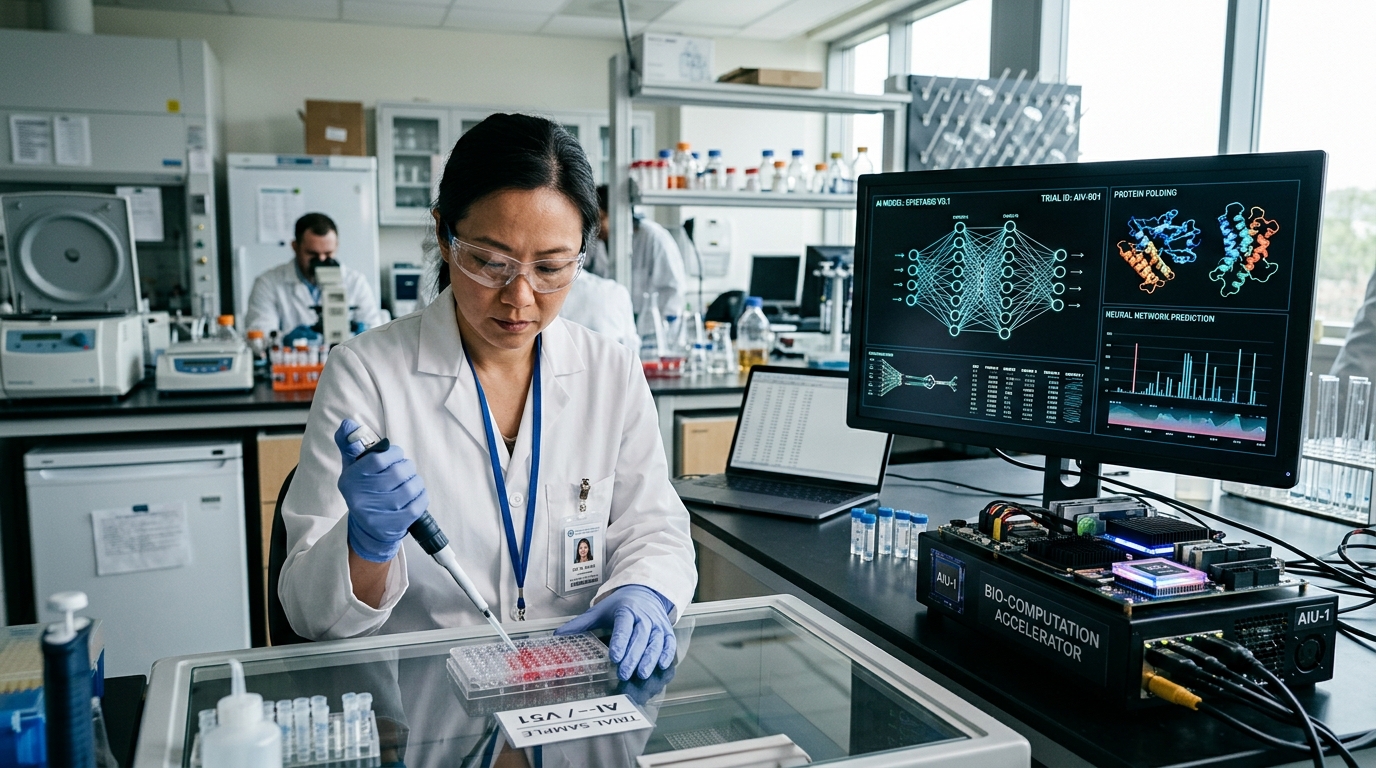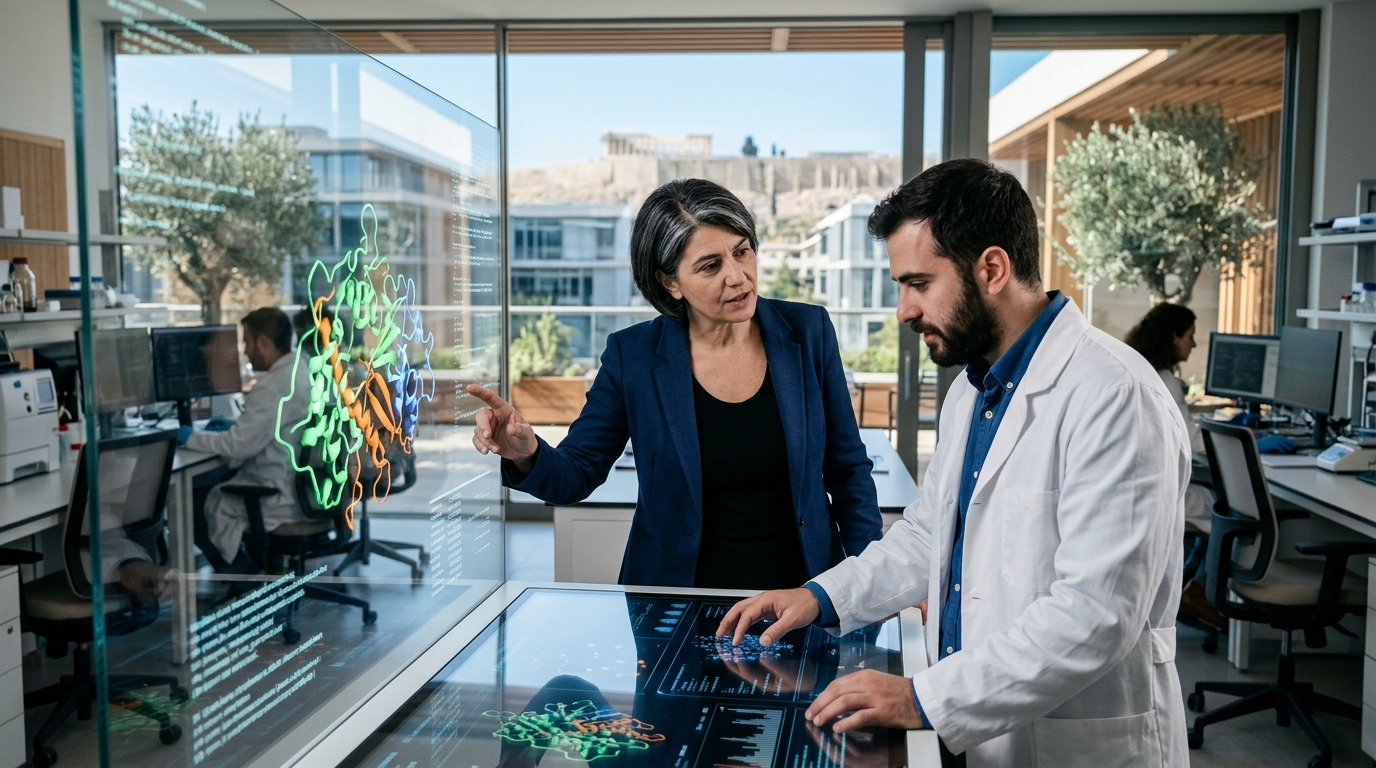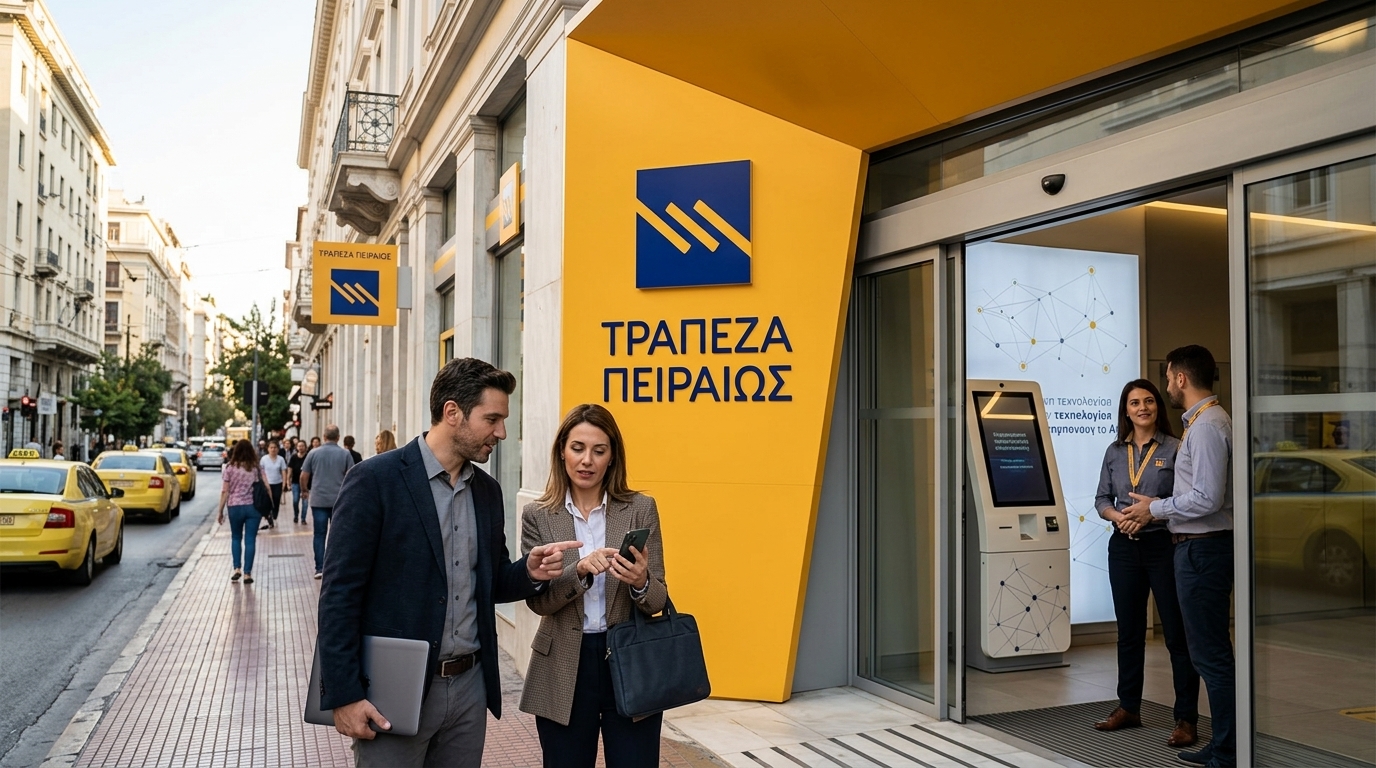
In a move that redefines the boundaries of financial innovation in Greece, Piraeus Bank has announced the establishment of a dedicated Artificial Intelligence Hub (AI Hub) in collaboration with the global consulting giant Accenture. This news is not merely another technological upgrade; it represents a strategic pivot, as the initiative will leverage advanced technologies from Anthropic, one of the world’s leading AI firms, renowned for its focus on safety and the ethical alignment of its models.
Digital Transformation as a Survival Strategy
For Piraeus Bank, the founding of the AI Hub is not an isolated action but the culmination of a multi-year effort toward complete digital transformation. In today’s financial landscape, where traditional banks face intense competition from fintech companies and neobanks, the adoption of Artificial Intelligence has become imperative. This new center will act as an accelerator for developing and implementing AI solutions across the full spectrum of banking operations.
The partnership with Accenture provides Piraeus with the necessary expertise to scale these solutions. Accenture, having implemented similar projects globally, brings methodologies that ensure technology does not remain in the experimental stage but is organically integrated into the bank's daily operations—from customer service to risk management.
Choosing Anthropic: Safety and "Constitutional" AI
The element that makes this partnership particularly compelling is the involvement of Anthropic. Unlike other providers, Anthropic has developed the concept of "Constitutional AI," which allows its models (such as Claude) to operate based on a predefined set of principles and values. For an organization like Piraeus Bank, which handles sensitive personal data and operates in a strictly regulated environment, the reliability and interpretability of AI decisions are of critical importance.
The applications expected to be developed through the AI Hub include:
- Personalized Banking: Real-time data analysis to provide tailored products and advice to customers.
- Internal Process Automation: Reducing bureaucratic load and accelerating approval processes for loans and credits.
- Fraud Detection: Using sophisticated algorithms to identify suspicious transactions with higher accuracy than ever before.
- Risk Management: Enhanced predictive models that account for both macro and microeconomic variables.
Impact on the Greek Economy and Workforce
The creation of the AI Hub is expected to have broader implications for the Greek technology ecosystem. As Piraeus invests in these technologies, an increased demand for specialized personnel—from data scientists to AI ethics experts—is created. This could serve as a deterrent to the "brain drain," offering young scientists the opportunity to work on cutting-edge projects within Greece.
"Artificial Intelligence is no longer the future; it is the present of banking. With the AI Hub, we are not just investing in code, but in our ability to better understand and serve our customers," sources close to the project state.
However, this transition is not without challenges. The need for reskilling the existing workforce is urgent. The bank must ensure that the introduction of AI enhances human labor rather than replacing it in a way that creates social friction. The collaboration with Accenture reportedly includes a training component for the bank’s executives to familiarize them with the new tools.
Conclusions and Outlook
Piraeus Bank’s AI Hub is a bold bet. If successful, it will set the standard for how Greek enterprises can collaborate with global tech leaders to create value. The choice of Anthropic demonstrates a maturity in approach, prioritizing responsibility over mere speed. In an era where trust in institutions is paramount, the use of "ethical" AI could be the competitive advantage that distinguishes Piraeus on the international stage.