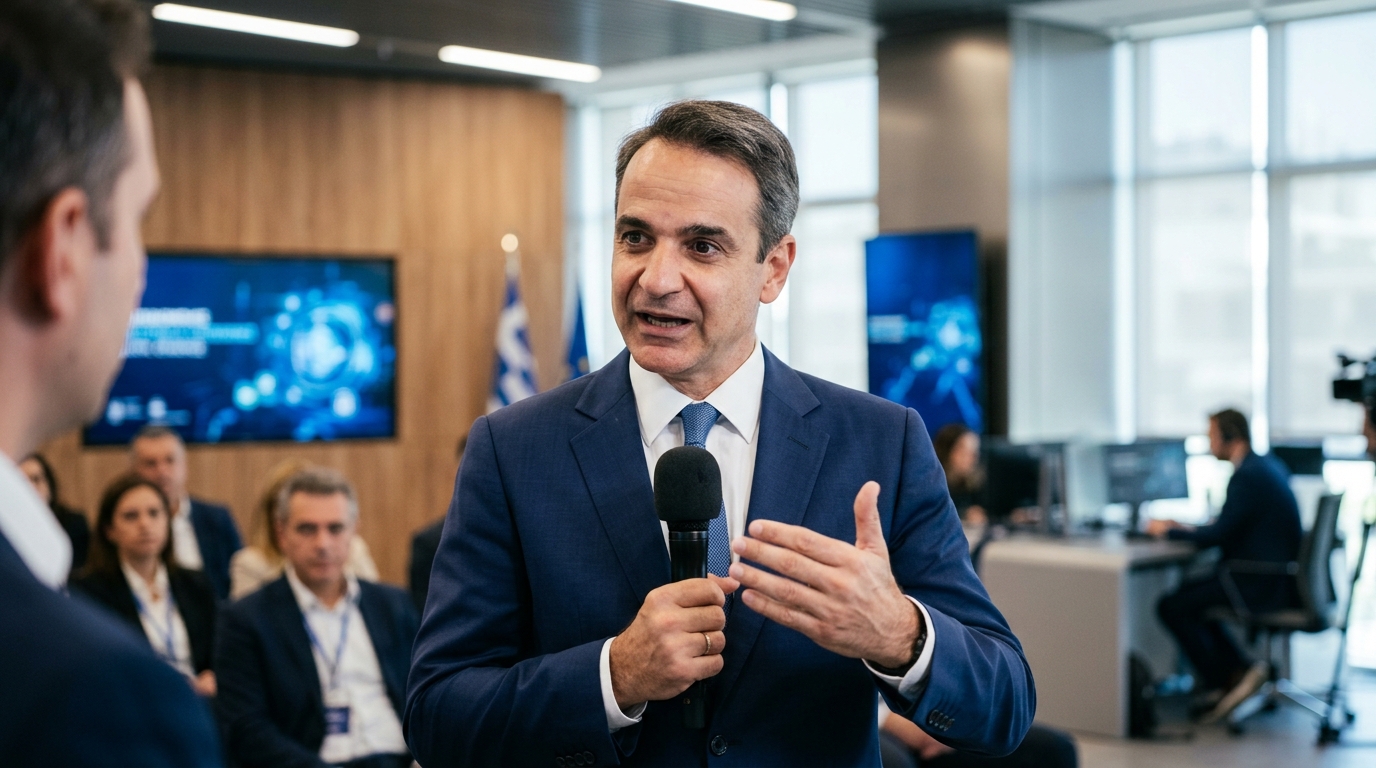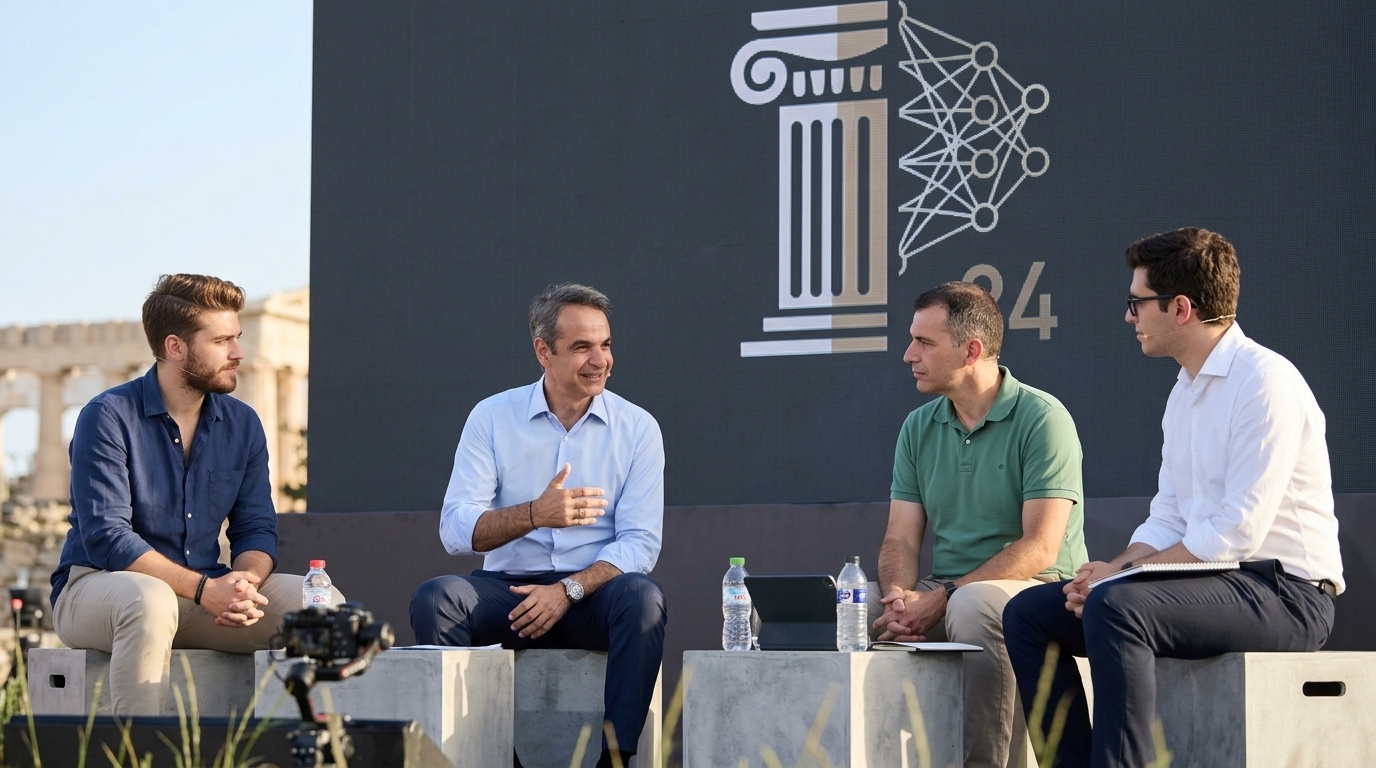
Greece, a nation that for decades was synonymous with cumbersome bureaucracy and endless queues at public offices, is now attempting a leap forward that many would have deemed unthinkable just a few years ago. Prime Minister Kyriakos Mitsotakis, through a series of recent initiatives and strategic moves, has set the stage for transforming the country into a regional and European leader in the application of Artificial Intelligence (AI). At the heart of this endeavor lies the integration of advanced language models and voice-activated chatbots into the Gov.gr platform, aiming to fundamentally reshape the relationship between the citizen and the state.
From Digitization to Automation: The Rise of mAIgov
The journey began with mAIgov, the first AI digital assistant in the Greek public sector. However, the Prime Minister’s vision extends far beyond a simple support application. According to Mr. Mitsotakis, Greece is actively seeking partnerships with world-leading companies—such as OpenAI or specialized voice AI providers—to create a system where citizens can complete complex administrative tasks simply by speaking to their smartphones. "We are taking one of the top—if not the top—voice AI chatbot companies in the world and trying to integrate its technologies into the delivery of public services," he stated, emphasizing that technology is not an end in itself, but a means to eliminate friction and inconvenience.
This strategy is built on three pillars: accessibility, speed, and personalization. The use of voice-based AI allows individuals with disabilities or elderly citizens who are not tech-savvy to have equal access to state services. Furthermore, AI can analyze vast volumes of public administration data, providing answers in seconds—a task that previously required hours of waiting in call centers or physical presence at an office.
The 'Greek GPT' and Linguistic Sovereignty
One of the most ambitious aspects of the plan is the development of a Large Language Model (LLM) tailored specifically to the Greek language and culture. The government has already established a special advisory committee, comprising top scientists from the diaspora and the local market, to guide this transition. The stake here is "linguistic sovereignty." In a world where AI is primarily trained on English-language data, Greece must ensure that its models understand the nuances of the Greek language, legal terminology, and historical context.
This "Greek GPT" will not only serve the public sector. It is expected to provide the foundation for new business applications in the private sector, bolstering the startup ecosystem. The Prime Minister believes that the country can become a "living lab" for AI, attracting investments from tech giants looking for a stable environment with high-quality human capital. By creating a niche in specialized AI applications, Greece aims to move from a consumer of technology to a producer of innovative solutions.
Challenges, Ethics, and the Road Ahead
Despite the optimism, the path to AI leadership is not without obstacles. The issue of data privacy and cybersecurity remains paramount. Integrating AI into Gov.gr means that sensitive citizen data will be processed by algorithms. Mr. Mitsotakis has assured that Greece will strictly adhere to the European Union's AI Act, the world's first comprehensive legal framework for AI, ensuring transparency and ethical use. The government's goal is to build "trust by design," ensuring that AI tools are used to empower rather than surveil.
Additionally, there is the challenge of "digital literacy." For the project to succeed, public servants must be upskilled, and citizens must learn to trust these new tools. The transition is not just about software; it is a profound cultural shift in how the state operates. The challenge for Athens is to prove that Artificial Intelligence can make the state more human by reducing impersonal bureaucracy and giving time back to the citizen. With investments in data centers by companies like Microsoft and Google already underway, the infrastructure is taking shape. It remains to be seen whether the execution of this ambitious plan will meet the high expectations set by the government.