Igoumenitsa, Greece's traditional "Western Gate" to Europe, is no longer just a transit point for trucks and passengers. Under the new strategic direction of the Igoumenitsa Port Authority (OLIG), the port is entering a new era where technology and sustainability are the central pillars of growth. The recent participation of OLIG in transnational meetings and the announcement of investments in Onshore Power Supply (OPS) systems and digital infrastructure mark a critical turning point for shipping in the Adriatic.
The Green Revolution of Cold Ironing (OPS)
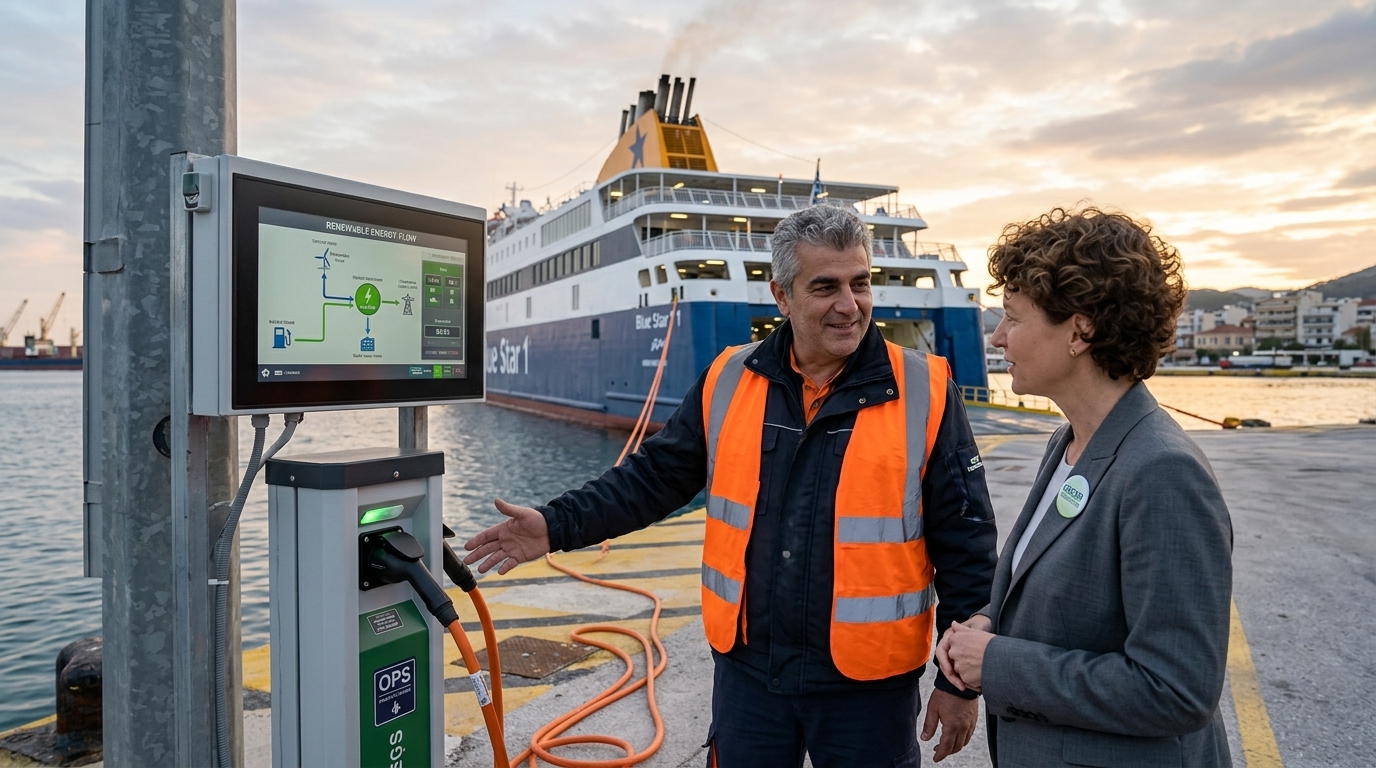
The most significant environmental intervention underway is the installation of Onshore Power Supply (OPS) systems, also known as "cold ironing." This technology allows docked ships to turn off their internal combustion engines and draw electricity directly from the land-based grid. The benefits are multiple and immediate: a drastic reduction in carbon dioxide (CO2) emissions, the elimination of nitrogen oxides (NOx) and particulate matter within the urban fabric of Igoumenitsa, and a significant reduction in noise pollution.
According to OLIG's CEO, Athanasios Porfyris, this investment is not merely an obligation to comply with European regulations (such as the "Fit for 55" package) but a strategic choice that enhances the port's competitiveness. In an era where shipping companies are pressured to reduce their environmental footprint, a port offering green energy automatically becomes a preferred destination. Igoumenitsa, being the primary link to Italy, is called upon to lead this effort in the Adriatic-Ionian axis.
Digital Transformation and Logistics 4.0
Alongside the green transition, OLIG is systematically investing in the digitalization of its operations. The introduction of advanced Vessel Traffic Management and Information Systems (VTMIS) and the use of Internet of Things (IoT) technologies for real-time infrastructure monitoring are transforming the port into a "smart" ecosystem. Digitalization is not just about safety; it is primarily about logistics efficiency.
- Automated Gate Management: Reducing waiting times for trucks through license plate recognition and digital documentation.
- Blockchain in the Supply Chain: Ensuring transparency and speed in transactions and cargo movement.
- Digital Twins: Creating digital replicas of port infrastructure to predict maintenance needs and optimize berth utilization.
These technologies allow OLIG to manage a larger volume of operations with lower operational costs, while offering high value-added services to port users. Connectivity with the Egnatia Odos highway makes Igoumenitsa a critical node in the global supply chain, and digitalization is the "key" to unlocking this potential.
Strategic Importance and the Partnership with Grimaldi Group
The entry of the Grimaldi Group into OLIG's shareholding structure has accelerated these developments. The Italian giant, which already possesses one of the most modern and environmentally friendly fleets in Europe, sees Igoumenitsa as a strategic partner. The synergy between a shipping company and port infrastructure creates a model for growth.
"Igoumenitsa is not just following developments; it is co-shaping them. Investing in digital infrastructure and OPS is our answer to the challenges of the future," the Authority's management states.
The port's participation in European programs and transnational collaborations, as recently highlighted, ensures the necessary expertise and funding. Igoumenitsa is no longer just competing with neighboring ports; it is positioning itself on the map of leading European ports adopting the "Green Port" model.
Challenges and Future Prospects
Despite the positive trajectory, challenges remain. Upgrading the local electrical grid to support the increased demands of OPS is a project that requires close cooperation with grid operators (ADMIE and DEDDIE). Furthermore, training the workforce in new digital skills is essential for a smooth transition. However, the willingness to invest and the port's strategic location portend a bright future, where Igoumenitsa will serve as a model for how a regional port can be transformed into an international hub of innovation.