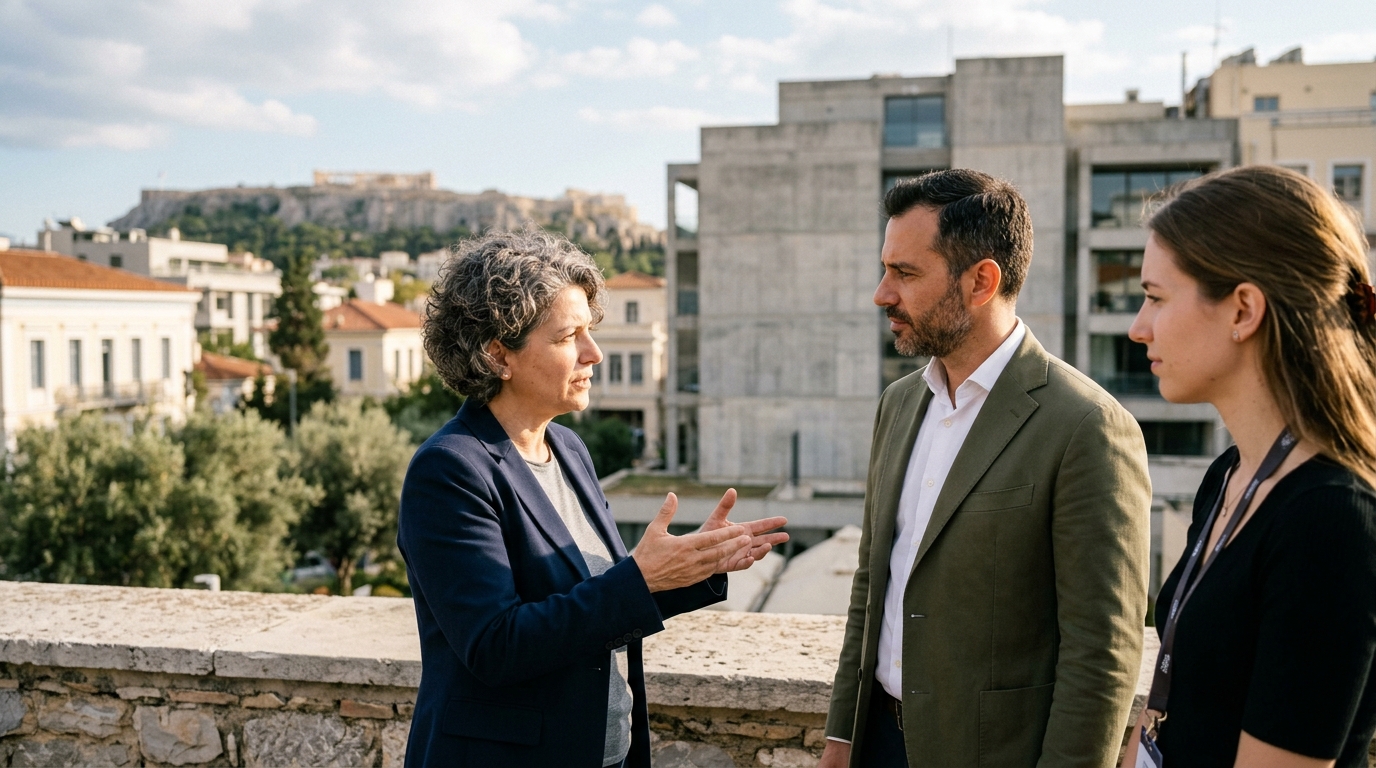
Greece is undergoing a period of profound structural transformation, leaving behind the introversion of the past decade and asserting a central role on the global map of infrastructure and technology. This is not merely an economic recovery but a comprehensive upgrade of its geostrategeic footprint. The country is evolving into a multi-dimensional hub—energy, digital, and transit—connecting three continents, supported by a mammoth infrastructure program exceeding 27 billion euros.
The Digital Revolution and the Rise of Data Centers
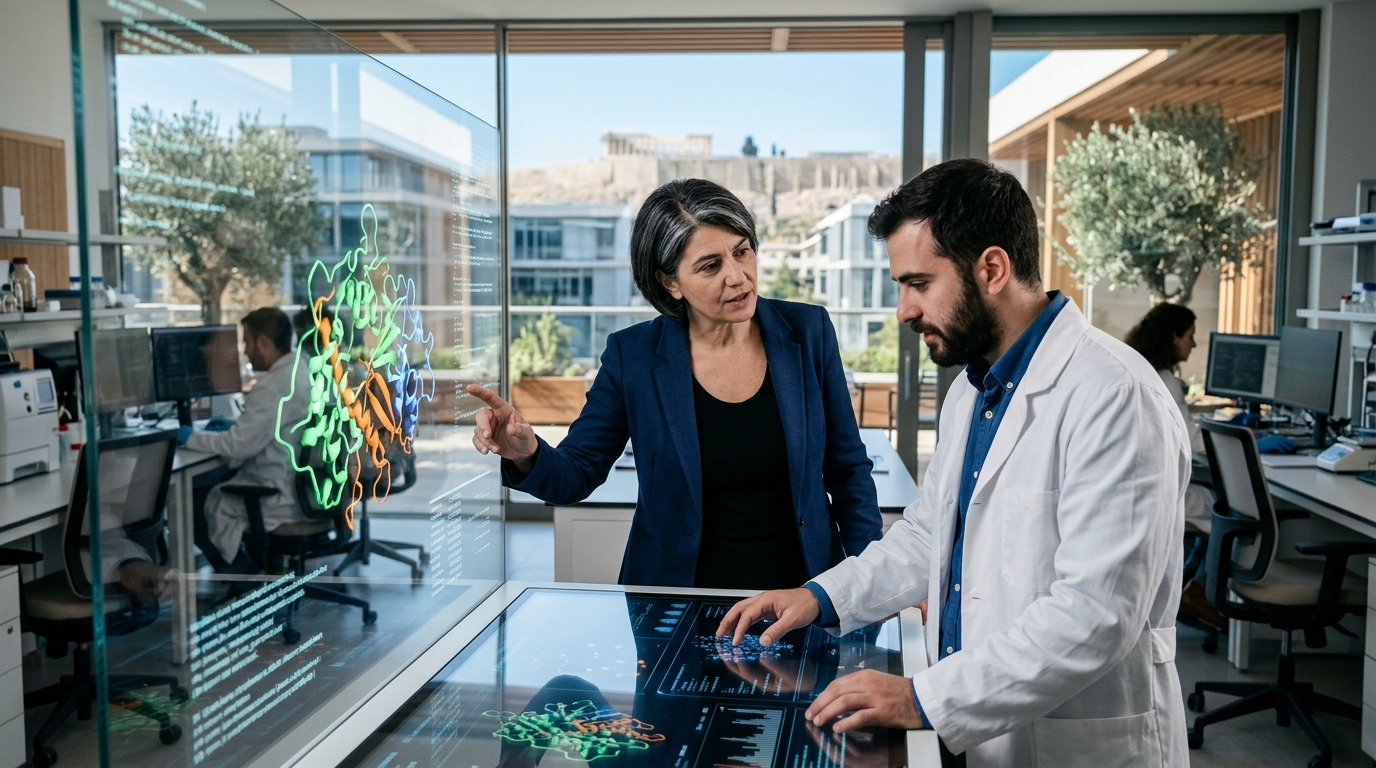
At the heart of this change lies the digital transition. Greece is no longer just a prime tourist destination; it is an emerging technological sanctuary. The decision of global giants like Microsoft, Google, and Amazon Web Services to invest in local cloud infrastructure and data centers serves as a vote of confidence in the country's stability and prospects. These investments act as power multipliers for the Greek economy, creating an innovation ecosystem that attracts highly skilled human capital.
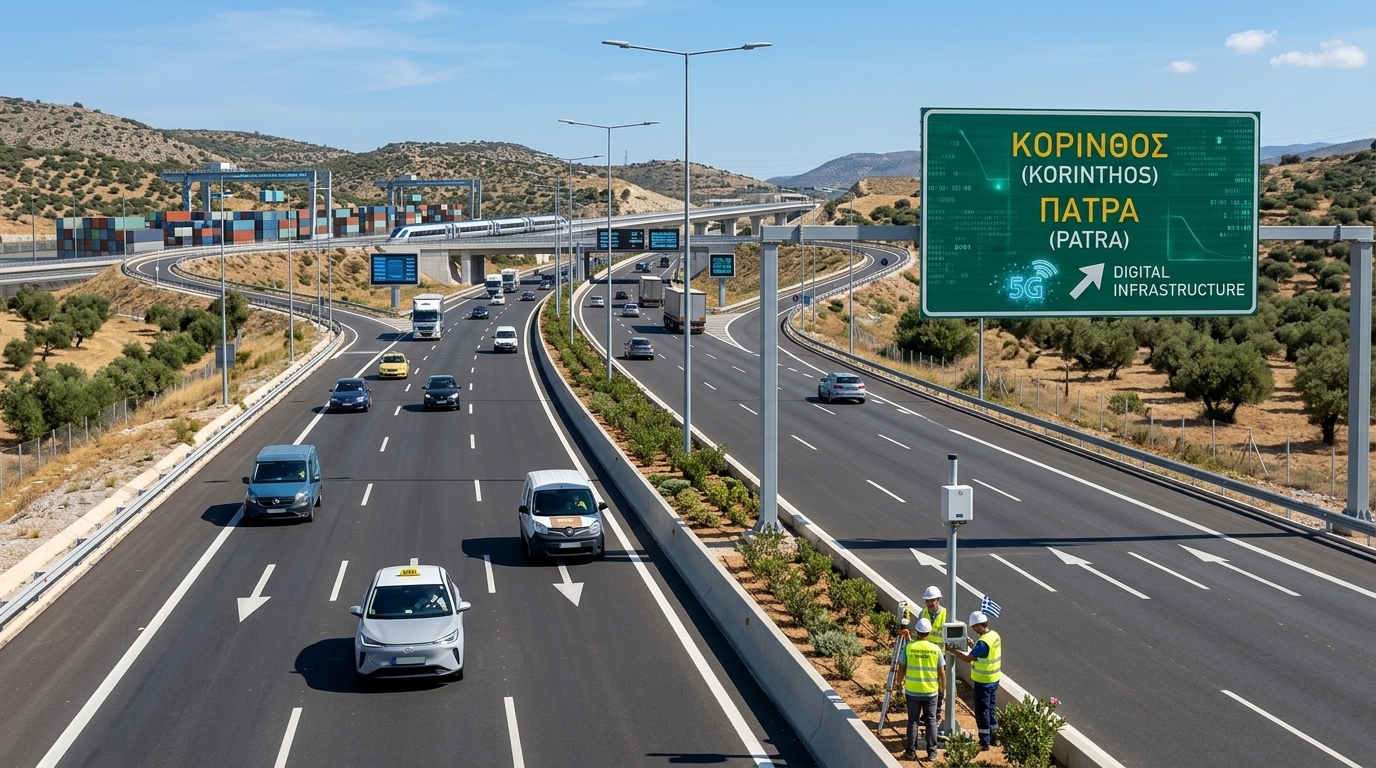
The integration of Artificial Intelligence (AI) in the construction sector is the next big bet. Through the use of Building Information Modeling (BIM) and advanced project management algorithms, infrastructure modernization is occurring faster and with greater precision. The digitization of licensing processes and the use of IoT sensors in new infrastructure allow for predictive maintenance, reducing costs and increasing citizen safety.
Transport and Logistics: The Gateway to Europe
The transport map of Greece is being redrawn. The Port of Piraeus remains the primary gateway for goods from Asia, but the focus has now shifted to connectivity. The completion of major road axes, such as the Patras-Pyrgos highway and the Northern Road Axis of Crete (VOAK), combined with the expansion of the railway network, creates a cohesive logistics web. The Thriasio Plain is evolving into one of the largest supply chain centers in Southeast Europe, offering Greece the advantage of faster access to Central European markets.
Furthermore, the Ellinikon project, the largest urban regeneration in Europe, symbolizes the new era. It is not just a real estate project but a "smart city" built from scratch, incorporating the latest sustainability and digital governance technologies. Ellinikon is expected to add 2.4% to the country's GDP and create thousands of jobs, serving as a blueprint for future developments worldwide.
Energy Security and Interconnections
The geostrategeic upgrade is complemented by Greece's role as an energy bridge. The operation of the FSRU in Alexandroupoli and the electrical interconnections with Cyprus, Israel, and Egypt place the country at the center of Europe's energy supply. The transition to green energy, with the development of offshore wind farms and energy storage, is supported by the Recovery and Resilience Facility (RRF), which provides the "fuel" for implementing these ambitious plans.
"Greece is no longer following developments; it is co-shaping them. Investing in infrastructure is an investment in national sovereignty and social prosperity."
In conclusion, Greece is transforming into a modern construction site of innovation. Challenges remain—such as the need for further bureaucratic reduction and the search for skilled labor—but the direction is clear. The country is building the foundations for a sustainable and digitally advanced economy, capable of playing a leading role in the 21st century.