In May 2026, Greece finds itself at a critical juncture. Despite significant strides toward a green energy transition, the nation continues to grapple with the structural reality of high energy costs. The government’s announcement of a new €200 million support package highlights the persistent nature of the energy crisis and its impact on social cohesion. This measure aims to provide a much-needed financial "breather" to households as oil and gas prices remain volatile on the global stage.
The Anatomy of the Relief: Target Groups and Allocation
The new package is not a blanket subsidy but a targeted intervention. According to Ministry of Finance sources, approximately €120 million will be allocated to the heating allowance for the upcoming season, reflecting concerns over sustained high fuel prices. The remaining €80 million is earmarked for electricity bill subsidies, specifically for beneficiaries of the Social Residential Tariff, and for energy efficiency programs catering to low-income earners.
This targeted approach is dictated by the European Union’s strict fiscal rules, which, since 2024, have discouraged the broad-based subsidies seen during the initial phases of the 2022 energy crisis. The Greek government is performing a delicate balancing act: providing social protection while maintaining the primary surpluses required by international markets and institutional creditors.
The Green Transition Paradox
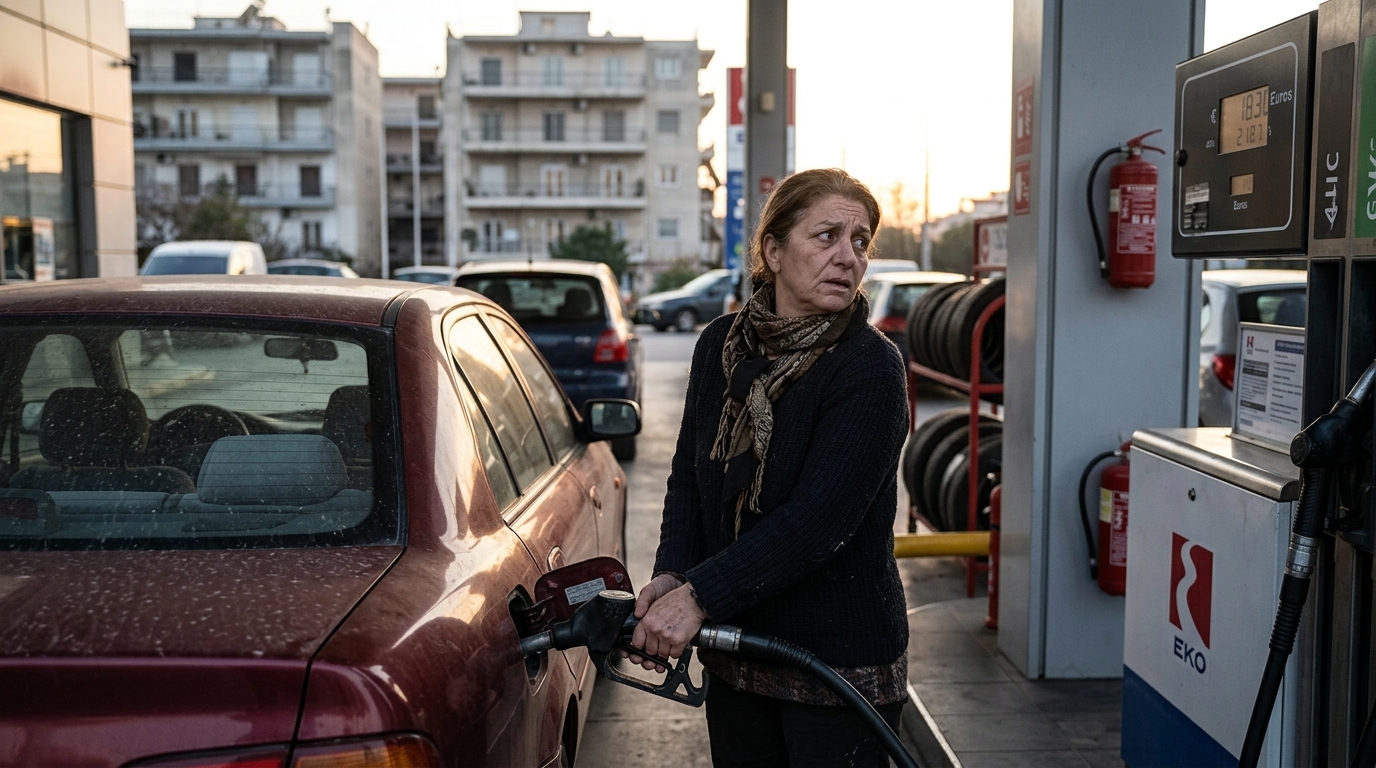
A central question remains: why do energy prices stay high when Greece is producing record amounts of renewable energy? The answer lies in the "Green Transition Paradox." While wind and solar power are cheaper to produce, the associated costs of carbon emission rights, grid upgrades, and the maintenance of backup gas-fired plants keep retail prices elevated. For many Greek households, energy poverty is a daily reality, with a significant portion of the population spending over 10% of their disposable income on basic energy needs.
- Dependence on natural gas imports remains a vulnerability despite the rise of renewables.
- Geopolitical tensions in the Middle East and Eastern Europe continue to exert upward pressure on crude oil prices.
- The transition to a decentralized grid requires massive investments that are often passed down to consumers via regulated charges.
Political Stakes and Economic Stability
Beyond the fiscal data, the €200 million package carries a heavy political weight. At a time when food inflation remains a concern, the administration seeks to demonstrate its commitment to social welfare. However, critics argue that these measures are mere "band-aids" for a systemic problem. Calls for a reduction in Value Added Tax (VAT) on fuels or the Special Consumption Tax continue to resonate, although the government dismisses such moves as fiscally irresponsible and potentially destabilizing for the country's credit rating.
"Supporting our citizens is not just a social obligation; it is a prerequisite for economic stability. Without social cohesion, no reform can truly succeed," a senior government official noted.
In conclusion, this new relief package is a necessary tactical move in a long-term war of attrition against inflation. The challenge for Greece in 2026 is to move beyond emergency handouts toward permanent structural protections. This involves doubling down on energy autonomy and ensuring that the benefits of the green transition are finally reflected in the monthly bills of the average citizen.