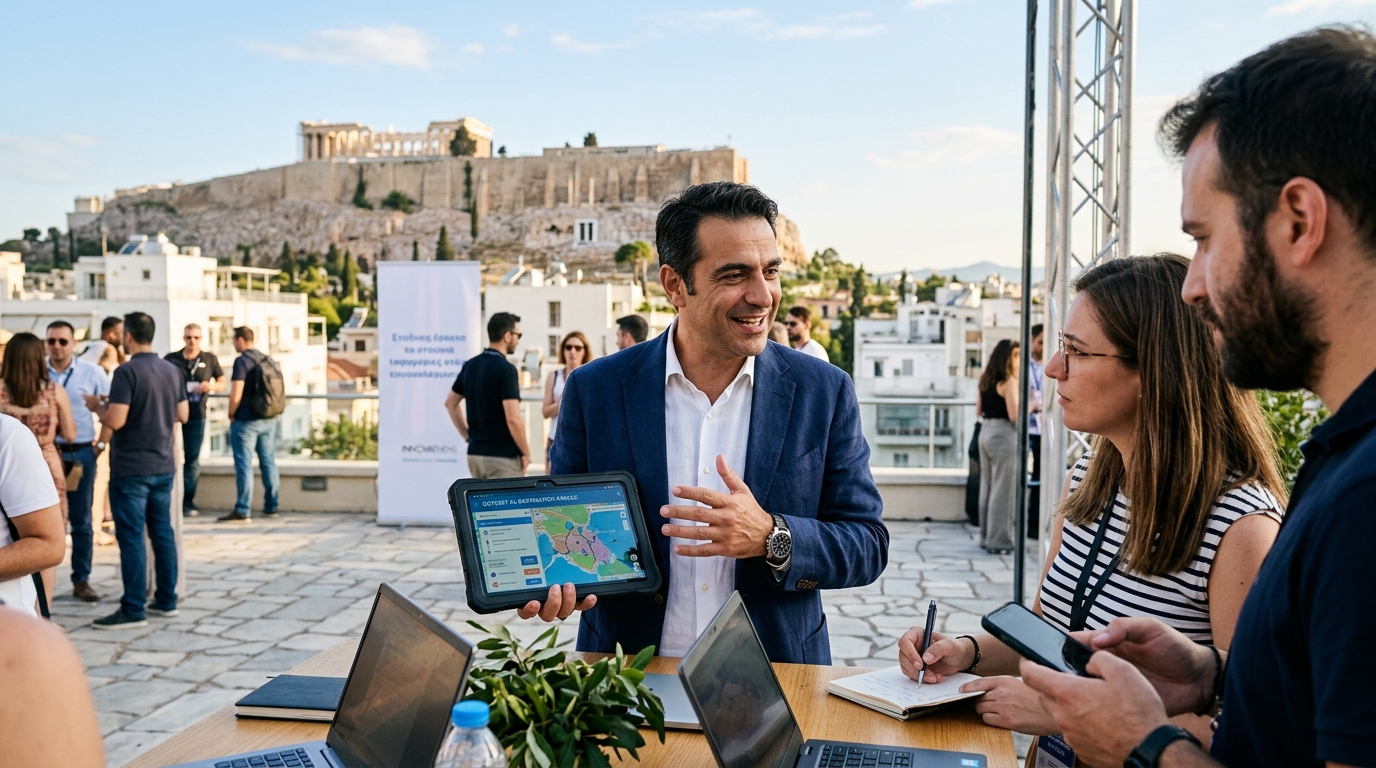
In an era where global competition for visitors is intensifying, the integration of Artificial Intelligence (AI) is no longer a future luxury but an imperative for survival. Recent reports, including those from emerging tourism powerhouses like Vietnam, emphasize that this technology is the central pillar for upgrading the tourism product. For countries like Greece, where tourism is the "heavy industry," understanding these shifts is critical.
The Hyper-Personalization Revolution
The most significant change AI brings to tourism is the ability to offer "hyper-personalized" experiences. Traditional travel guides and static holiday packages are being replaced by sophisticated algorithms that analyze user preferences, past behaviors, and interests in real-time. Imagine a digital assistant that doesn't just suggest a hotel, but a specific room that matches your lighting needs, and an itinerary that includes hidden culinary gems perfectly aligned with your dietary habits.
This approach radically changes marketing. Tourism organizations can now target with surgical precision, reducing customer acquisition costs and increasing satisfaction. AI allows for the creation of dynamic content that speaks directly to the traveler's psychology, making the destination appear not just attractive, but uniquely designed for them.
Operational Efficiency and Revenue Management
Beyond the customer experience, AI is reshaping the internal gears of the tourism industry. In hospitality, "dynamic pricing" has become extremely sophisticated. Algorithms can adjust room rates by the minute, taking into account weather, local events, competitor prices, and airline demand. This ensures that businesses maximize revenue during peak periods and remain competitive during low-demand times.
- Demand Forecasting: AI can predict tourist flows with accuracy months in advance, allowing hotels and restaurants to better manage staffing and inventory.
- Automated Service: Chatbots and virtual assistants now handle 80% of routine customer queries, freeing up human staff for more complex and emotionally demanding tasks.
- Energy Management: Smart AI systems in hotels reduce energy consumption by up to 30% by adjusting air conditioning and lighting based on occupancy and external conditions.
"AI does not replace hospitality; it enhances it by removing administrative burdens and allowing humans to focus on what they do best: connection."
Sustainable Tourism and Overtourism Management
One of the biggest problems for modern destinations, such as Santorini or Venice, is overtourism. AI offers solutions that were previously thought impossible. Through Big Data analysis from mobile phones and cameras, authorities can predict crowding at specific points and redirect tourists to lesser-known but equally beautiful sights via real-time notifications.
Furthermore, AI helps measure and reduce the environmental footprint. From optimizing tourist bus routes for fewer emissions to city-level waste management, this technology is the best ally for tourism that respects the environment. Competitiveness is no longer measured solely by the number of arrivals, but by a destination's ability to remain sustainable and attractive in the long run.
Challenges and the Human Element
Despite the obvious benefits, the transition to an AI-driven era is not without obstacles. Data protection remains a huge concern, as hyper-personalization requires access to sensitive information. Moreover, there is the risk of "digital alienation." The essence of hospitality—the receptionist's smile, the personal contact with the guide—risks being lost if automation becomes an end in itself.
For nations like Greece, the challenge is twofold: to modernize infrastructure and train the workforce while maintaining the authenticity that makes them unique. AI should be seen as a tool that will allow humans to provide even higher levels of service, not as a cheap alternative. The country that manages to combine technological excellence with traditional "philoxenia" will be the one to win the bet of the next decade.