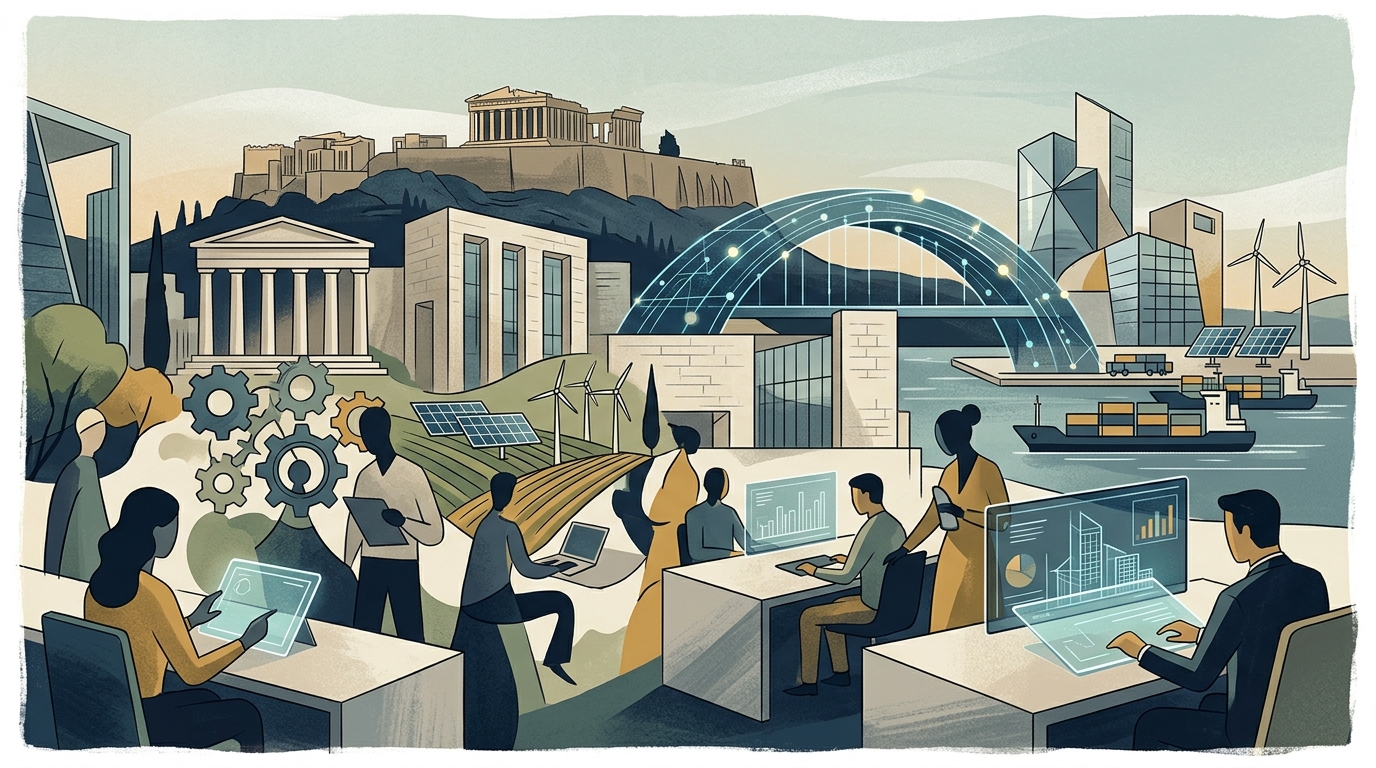
Athens, a city balancing its historical heritage with the necessity for modern infrastructure, is currently in a phase of intense technological mobility. The recent announcement by STASY (Fixed Transport) regarding the early closure of Athens Metro Line 2 stations is not merely news about commuter inconvenience, but a milestone in the capital's effort to enter the era of "smart cities."
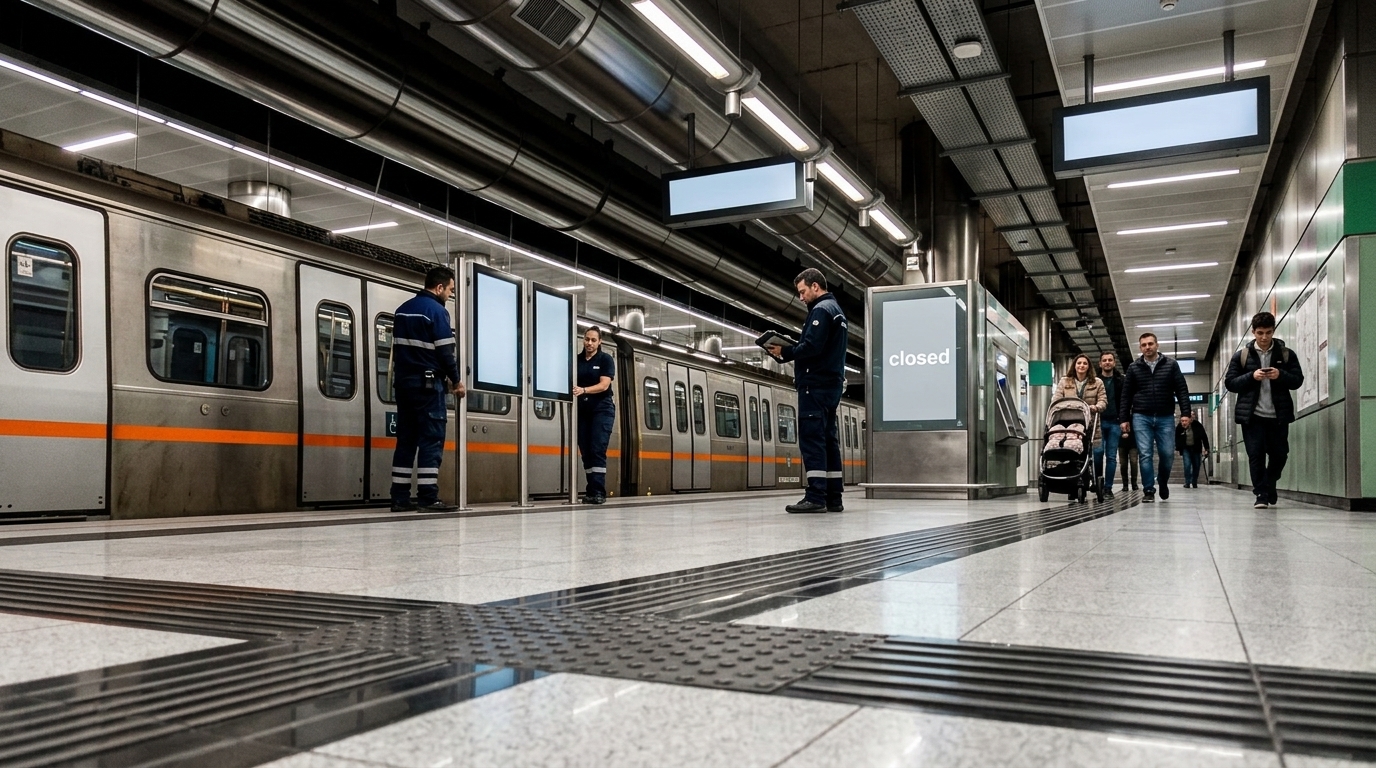
Specifically, tonight and for the subsequent scheduled dates, trains on Line 2 (Anthoupoli – Elliniko) will cease operations earlier than usual, starting from 21:40. This move is deemed necessary for the execution of critical works concerning both infrastructure maintenance and, primarily, the installation of 5G network infrastructure throughout the tunnels.
The Stakes of Subsurface Connectivity
For decades, entering the metro meant a temporary "digital isolation." In an age where connectivity is considered a basic utility, the lack of signal in the Athens metro tunnels was a point of criticism. The 5G network installation, carried out in collaboration with the country's major telecommunications providers (Cosmote, Vodafone, Nova), aims to transform commuting time into productivity or entertainment time.
The project is technically demanding. Installing antennas and fiber optics in an environment with strict safety protocols and limited working hours (only when trains are not running) explains the need for early station closures. This strategic choice demonstrates that transport management prioritizes the speed of digital transformation over short-term passenger disruption.
Infrastructure and Maintenance: The Invisible Side of the Metro
Beyond the technological upgrade, the works include railway track maintenance. The Athens Metro, although considered one of the cleanest and best-maintained in Europe, is approaching 25 years of operation for its initial sections. Material fatigue and the need for preventive checks on safety systems are imperative.
Technical teams are working feverishly to replace components and inspect power systems. It is a reminder that urban transport is a living organism requiring constant care. The selection of Line 2 for these interventions is not accidental, as it serves some of the most densely populated areas of Attica, from Peristeri to the Southern Suburbs.
Impact on Citizens and Alternatives
The service interruption from 21:40 primarily affects workers in the hospitality and tourism sectors, as well as the city's youth. STASY and OASA have arranged for the reinforcement of existing bus lines covering similar routes; however, the speed and reliability of fixed-track transport are difficult to fully replace.
- Passengers are advised to check the official STASY website for the exact times of the last trains per station.
- The use of telematics applications is recommended to locate buses operating along Line 2.
- Waiting times at stops may be increased, so travel planning should include extra buffer time.
"The modernization of the Metro is not a luxury; it is a prerequisite for a functional capital in the 21st century," states a transport official.
In conclusion, while the inconvenience is real, the stake is a more modern, safe, and fully connected Athens. The patience of citizens is being tested, but the result is expected to radically upgrade the daily commuting experience.