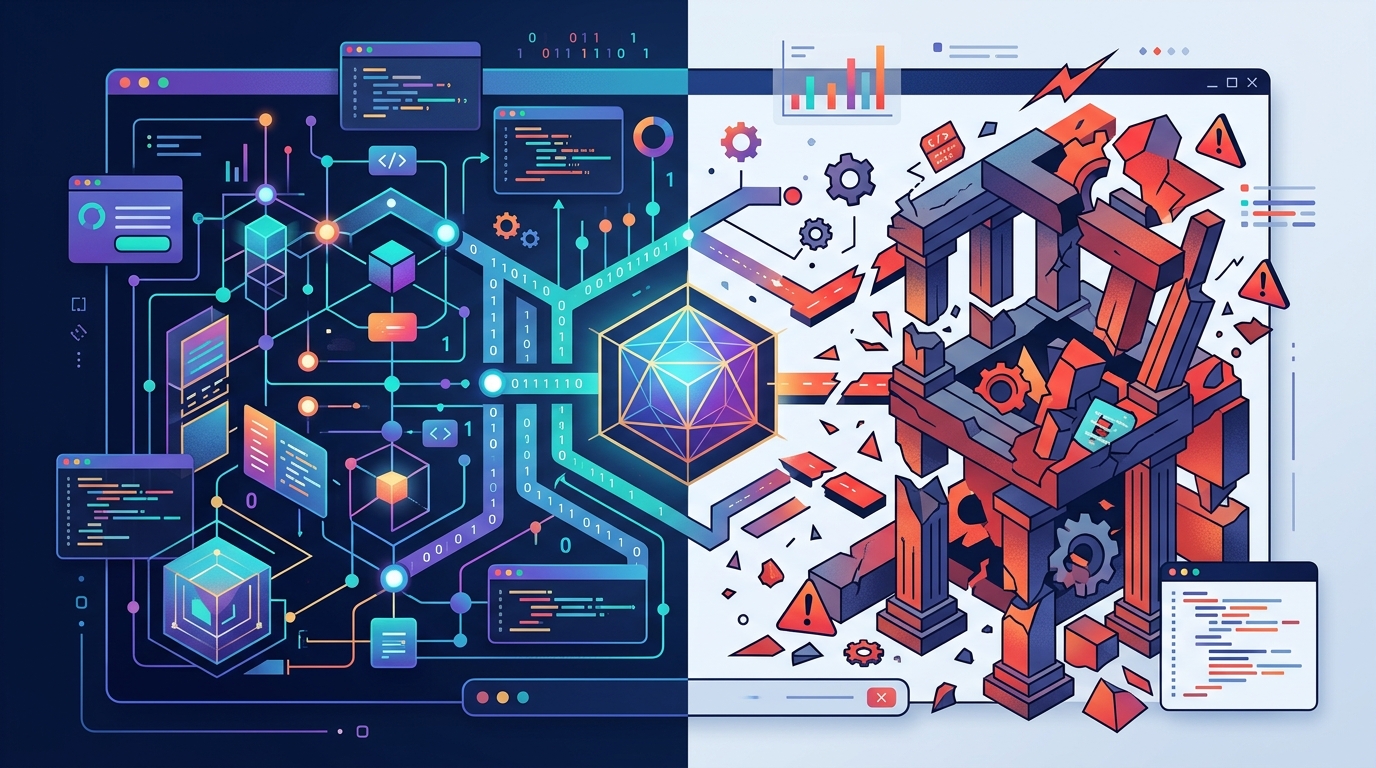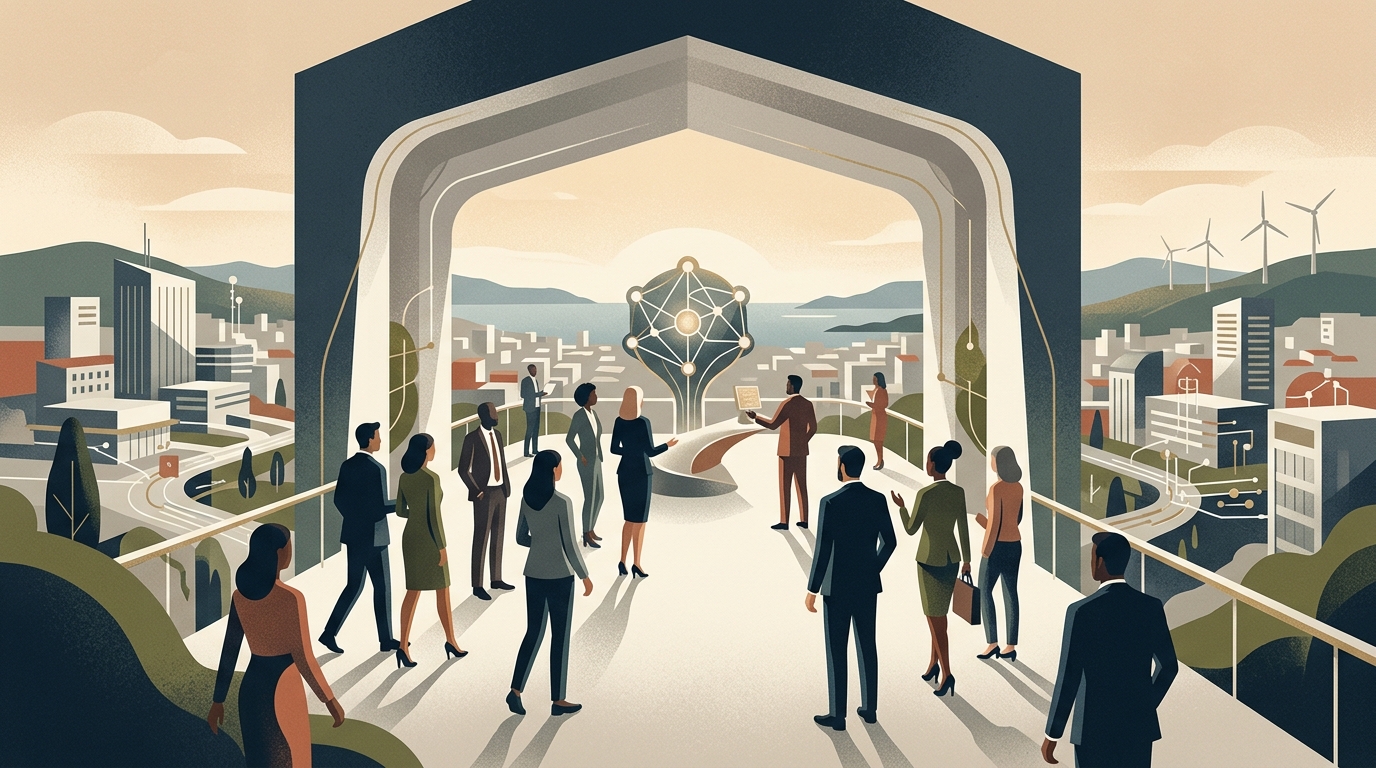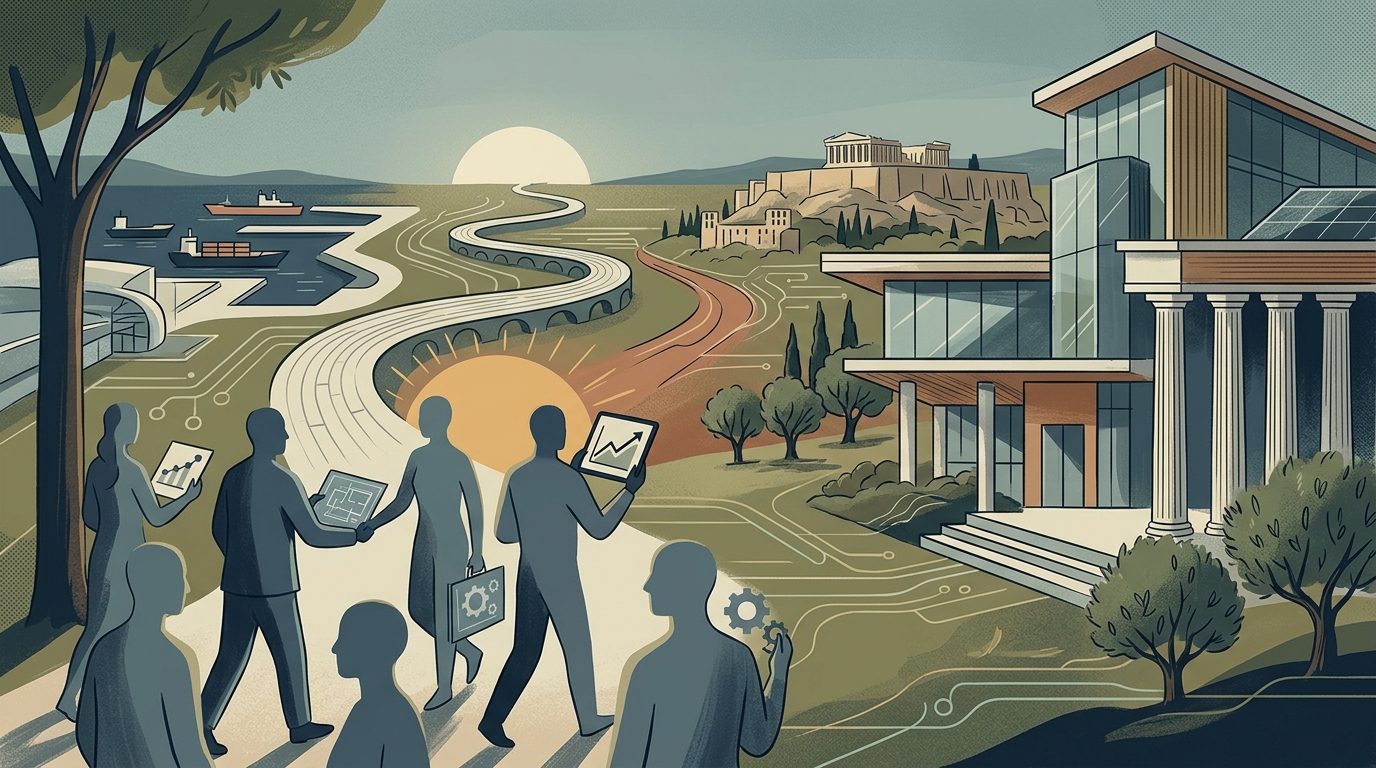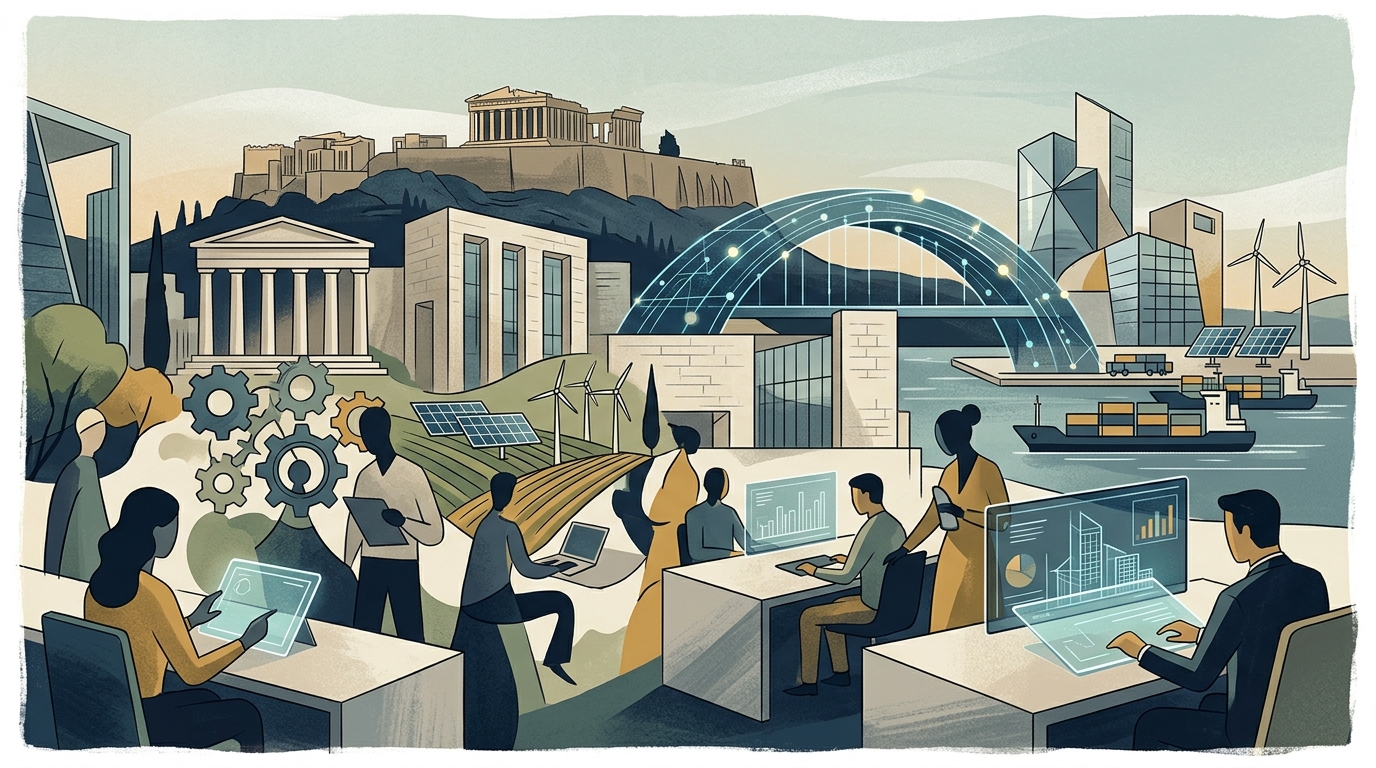
As we navigate mid-2026, the labor market bears little resemblance to the one we knew just a few years ago. Artificial Intelligence (AI) has long ceased to be viewed as a mere automation tool; it has evolved into a catalyst that is fundamentally reordering the hierarchy of professional skills. According to recent analyses, including reports from BusinessDaily.gr, we are facing a fascinating paradox: while AI can execute technical tasks with a speed and precision that dwarfs human capability, the value of deep, nuanced experience is not diminishing—it is skyrocketing.
The Devaluation of Technical Hard Skills
For decades, mastering specific technical skills (hard skills) was the guaranteed ticket to a successful career. Today, writing code, drafting foundational legal documents, analyzing massive datasets, and creating marketing content are tasks performed in seconds by sophisticated AI agents. This has placed unprecedented pressure on entry-level workers, as the tasks that traditionally served as their training ground have been almost entirely automated.
However, this shift has brought a critical need for what experts call "strategic oversight." Organizations are no longer looking for individuals who simply "do the work"; they are seeking professionals who can direct the AI, evaluate the validity of its outputs, and synthesize solutions that require empathy, context, and ethical judgment. Experience is thus being redefined from a simple count of years to the ability to manage complex, AI-integrated systems.
The 'Phronesis' Advantage in the Digital Age
In the global economy, and particularly within markets characterized by SMEs, the integration of AI is creating a new premium for professional wisdom. An experienced practitioner who possesses market intuition and understands interpersonal dynamics gains a fresh competitive edge. While AI can suggest a sales strategy based on data, only a human with years of experience can sense the subtle shifts in a negotiation or the cultural nuances of a specific client relationship.
- Critical Thinking: The ability to question AI-generated data is now more vital than the ability to produce it.
- Ethical Decision-Making: In a world governed by algorithms, human ethics remain the final safeguard.
- Human Capital Management: Leading teams that work alongside AI requires a high level of emotional intelligence (EQ).
This pivot toward experience, however, creates a structural gap. If entry-level positions are being hollowed out by automation, how will the experienced professionals of tomorrow be developed? This is the central challenge for HR departments and educational institutions in 2026. "Apprenticeship" must be reimagined, focusing less on rote execution and more on decision-making and strategic thinking from day one.
Economic and Social Implications
The rise of the "experience economy" within the workplace has significant implications for wage structures. We are seeing a widening gap between those who can leverage AI to multiply their output and those who are merely replaced by it. For countries like Greece, the challenge is to use AI to bridge the productivity gap with Northern Europe without leaving behind a generation of workers who may lack the digital fluency to collaborate with these new tools.
"AI will not replace the experienced lawyer or the skilled engineer. It will, however, replace the one who refuses to use technology to augment their expertise," notes a senior analyst in the tech sector.
In conclusion, work in 2026 demands a new alliance. Experience is no longer a static trophy earned through tenure; it is a dynamic process of adaptation. The winners of this new era will be those who successfully marry the lightning speed of algorithms with the enduring wisdom of human judgment, transforming AI from a potential threat into a high-octane partner.