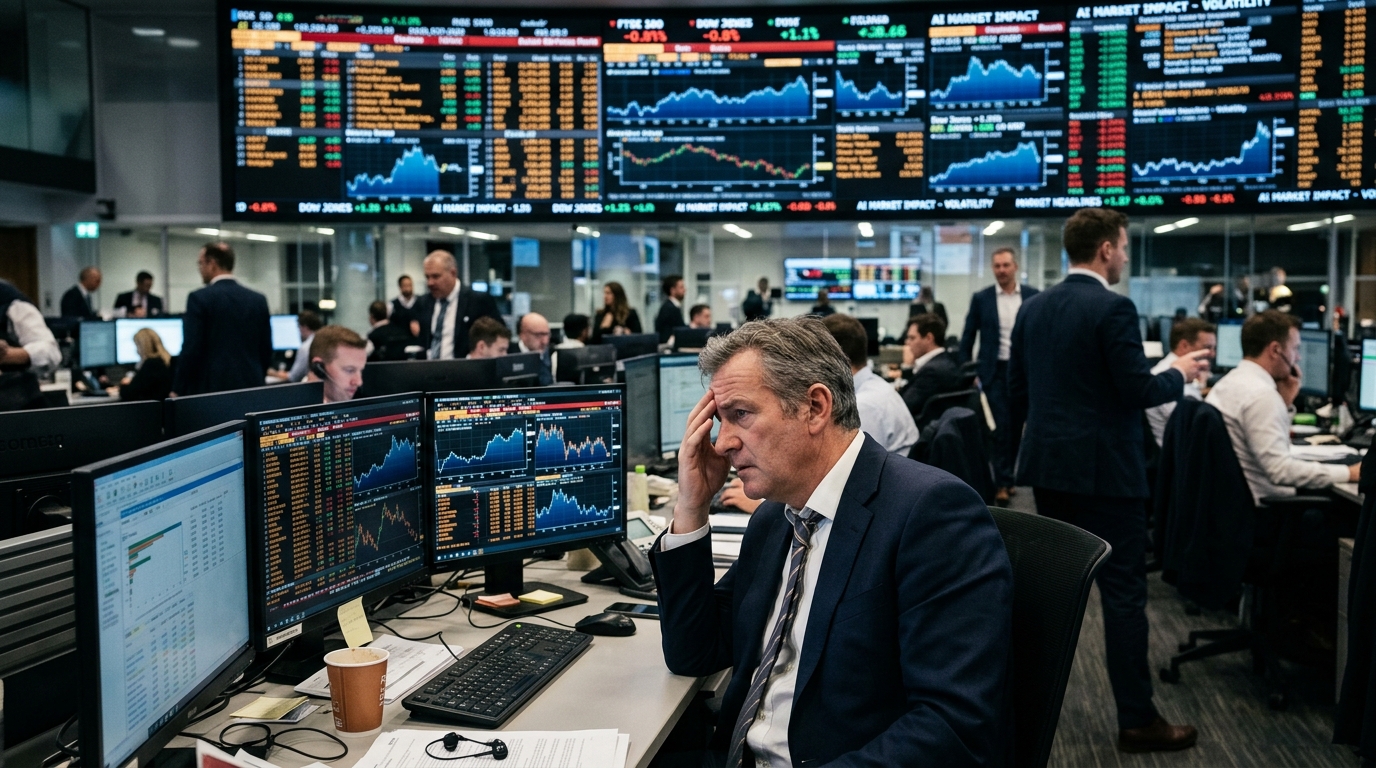
In an era where economic stability feels more like shifting sand than solid ground, the 24th KPMG CFO Forum in Greece, held in June 2026, serves as the critical meeting point for the country's business elite. The forum's proceedings are no longer confined to traditional balance sheet analysis; instead, they focus on the emergence of a new type of leader: the CFO-strategist, tasked with navigating the dual pressures of Artificial Intelligence, the climate crisis, and geopolitical upheavals.
Artificial Intelligence as a Decision-Making Catalyst
The integration of Generative Artificial Intelligence (GenAI) into finance departments is no longer a future prediction but a daily reality. At this year's forum, the discussion shifted from simple process automation to "predictive financial governance." CFOs from leading Greek groups presented models where AI analyzes real-time data from global supply chains, ECB interest rate fluctuations, and consumer trends, allowing for cash flow forecasting with accuracy reaching 98%.
However, this technological revolution brings serious challenges. "Data ethics" and security against cyberattacks emerged as top priorities. As highlighted in the keynote speeches, the modern financial director must be able to guarantee not only the accuracy of the numbers but also the integrity of the algorithms that produce them. Investor confidence now hinges on the transparency of the AI systems a company employs.
Geopolitical Uncertainty and Macroeconomic Resilience
With an eye on international developments, the forum analyzed how geopolitical tensions in the Eastern Mediterranean and Central Europe affect the cost of capital for Greek enterprises. Greece, having solidified its position in the investment-grade category, is now called upon to demonstrate resilience in an environment of persistent inflation and energy transition. Participants emphasized that the CFO's role now extends to managing external risk, requiring a deep understanding of the international political landscape.
The energy transition was also a central pillar of the discussions. New requirements from the CSRD (Corporate Sustainability Reporting Directive) compel CFOs to integrate ESG (Environmental, Social, and Governance) criteria into the core of financial reporting. This is no longer a public relations exercise but a rigorous financial obligation directly affecting borrowing costs and access to international capital markets. Greek companies leading the way in the green transition appear to enjoy lower spreads, confirming that sustainability is now synonymous with profitability.
The CFO as the CEO's Strategic Partner
Perhaps the most significant finding of the 24th CFO Forum is the definitive shift of the CFO from the role of "controller" to that of "strategic architect." In the new corporate structure, the financial director is the CEO's closest partner, responsible for mapping the organization's long-term course. This requires new skills: emotional intelligence, talent management capabilities, and a profound understanding of technology.
- Strategic Capital Allocation: Focusing on investments that enhance digital resilience.
- Talent Management: The shortage of specialized personnel in finance departments requires new approaches to recruitment.
- Investor Relations: The ability to master financial storytelling in a global market.
In conclusion, the conference underscored that the success of Greek businesses in the coming years will depend on the speed at which their financial directors adapt. In a world changing at a geometric rate, stagnation is the greatest risk. The CFO of 2026 is not merely the guardian of the treasury but the navigator steering the corporate vessel through the storm of uncertainty toward the harbor of sustainable growth.