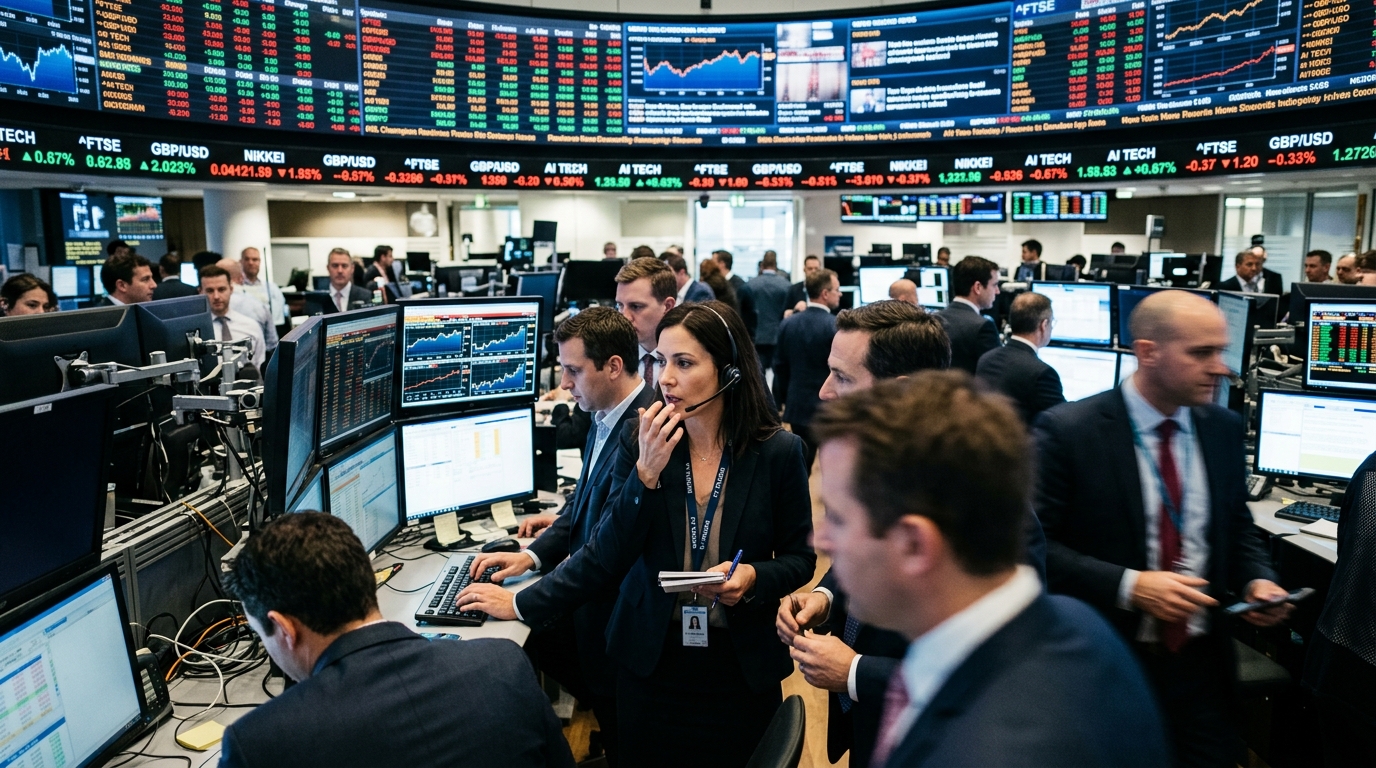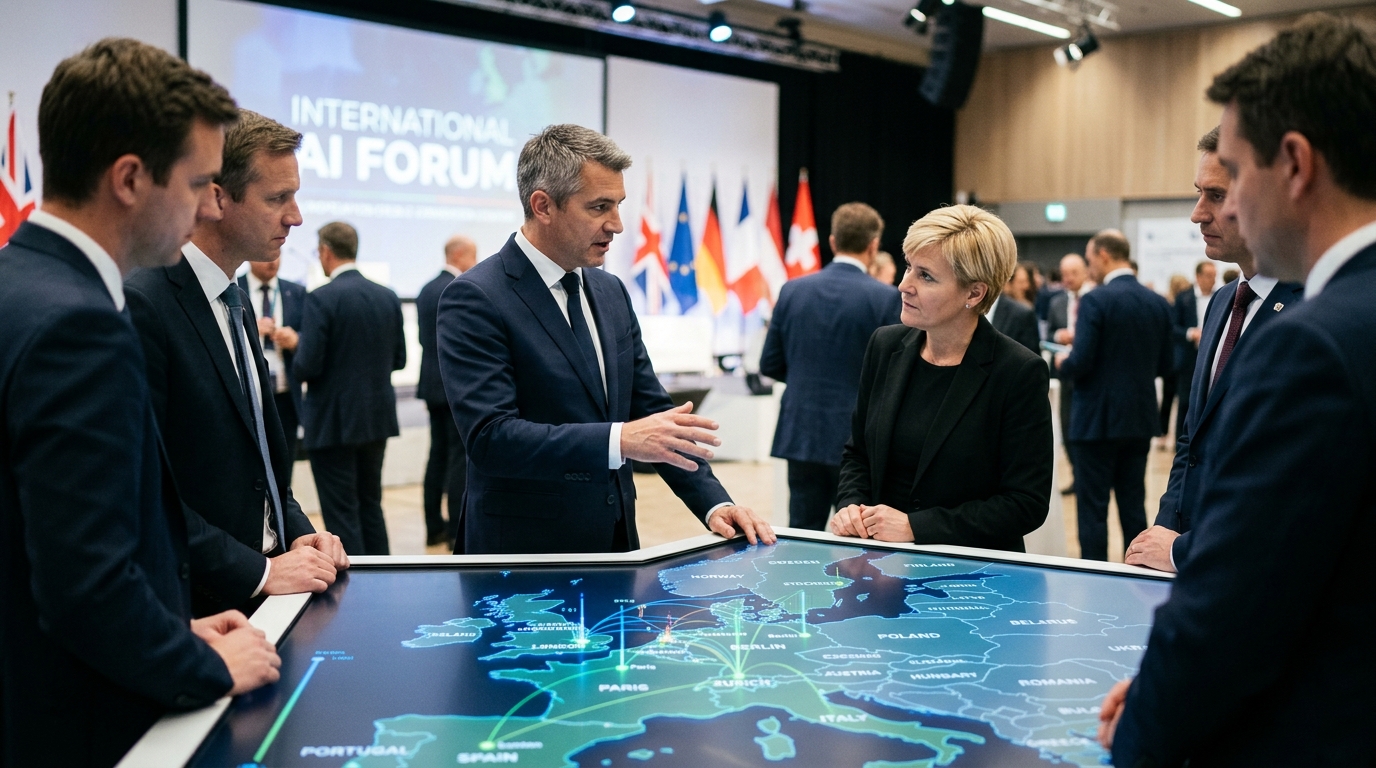
At the dawn of the fifth industrial revolution, the most precious currency is neither gold nor oil, but human intelligence specialized in code and algorithms. Europe, caught between the technological supremacy of the US and the state-driven development of China, is fighting its own existential battle. According to recent analyses and labor market data, the distribution of Artificial Intelligence (AI) talent across the European continent is far from uniform, creating a new geopolitical map of power.
The United Kingdom Remains the Undisputed Sovereign
Despite the concerns triggered by Brexit, London continues to be a primary magnet for top AI researchers worldwide. The legacy of DeepMind, born in the British capital before being acquired by Google, has created an ecosystem that is difficult to dismantle. The UK attracts nearly 30% of total AI investment in Europe, offering salaries and research infrastructure that approach Silicon Valley standards.
The British government's strategy to facilitate "high-potential individual" visas and the close connection between Oxford and Cambridge universities and the industry have created a "Golden Triangle" of innovation. However, the challenge remains: can Britain maintain this lead as the European Union begins to move more concertedly?
The French Renaissance and Macron’s Vision
If there is one country openly challenging British dominance, it is France. Under the leadership of Emmanuel Macron, Paris has been transformed into an AI hub that attracts not only capital but also top scientists repatriating from the US. The emergence of companies like Mistral AI, considered the European answer to OpenAI, has breathed new life into the French ecosystem.
France is investing billions in state grants and creating favorable tax frameworks for research and development. Paris also benefits from the strong tradition of the "Grandes Écoles" in mathematics, providing a steady stream of talent that no longer just looks across the Atlantic but chooses to build its future within borders. The "Station F" incubator and the annual VivaTech conference have become symbols of this new French technological assertiveness.
Germany: Industrial Might in Search of Digital DNA
Germany remains the industrial engine of Europe, but in the battle for AI talent, it faces structural hurdles. While Berlin and Munich boast excellent research centers and universities, German bureaucracy and the slow digitization of the state act as deterrents. Nevertheless, Germany leads in "Applied AI" (Industrial AI), attracting engineers who want to see their algorithms applied in the automotive industry and heavy manufacturing.
Germany's problem is talent retention. Many graduates of German universities end up in American multinationals due to higher pay and faster career progression. The country is trying to reverse this trend through the "AI Made in Germany" initiative, emphasizing ethics and safety, hoping to attract researchers who are averse to the "growth at all costs" model of the US.
The Role of the EU AI Act: Protection or Barrier?
A crucial parameter affecting talent mobility is the European Union's regulatory framework. The passing of the EU AI Act, the world's first comprehensive legislation on artificial intelligence, is a double-edged sword. On one hand, it creates an environment of safety and trust that can attract talent interested in the ethical dimension of technology. On the other, there is a fear that over-regulation will stifle innovation, pushing the most ambitious researchers to regions with fewer restrictions.
Countries that manage to balance compliance with providing freedom for experimentation will be the ones to win the battle of the next decade. Switzerland and the Netherlands are also emerging as significant players, offering a high quality of life and specialized ecosystems (such as ASML's in the Netherlands) that act as poles of attraction. Switzerland, in particular, benefits from its neutrality and the world-class ETH Zurich, which remains a top destination for AI PhDs.
Conclusion: A Continent at a Crossroads
The distribution of AI talent in Europe shows that power is shifting from traditional centers to those that dare to invest strategically and reduce barriers for innovators. The UK and France are leading the race, but the game remains wide open. Europe doesn't just need to attract talent; it needs to create the conditions for that talent to build the next global giants. Without a truly unified digital market, the brain drain to the US will remain the greatest threat to European sovereignty in the 21st century.