The geopolitical chessboard of 2026 is shifting at a pace that Brussels' bureaucracy is struggling to match. The recent escalation of tensions and the widening conflict centered on Iran have not only shaken energy markets but have also caused a deep earthquake in the foundations of European security. For decades, Europe rested under the American security umbrella, viewing the Pentagon's supply chain as an inexhaustible source of technological superiority. Today, that certainty is crumbling.
The American 'Brake' and the Conflict of Priorities
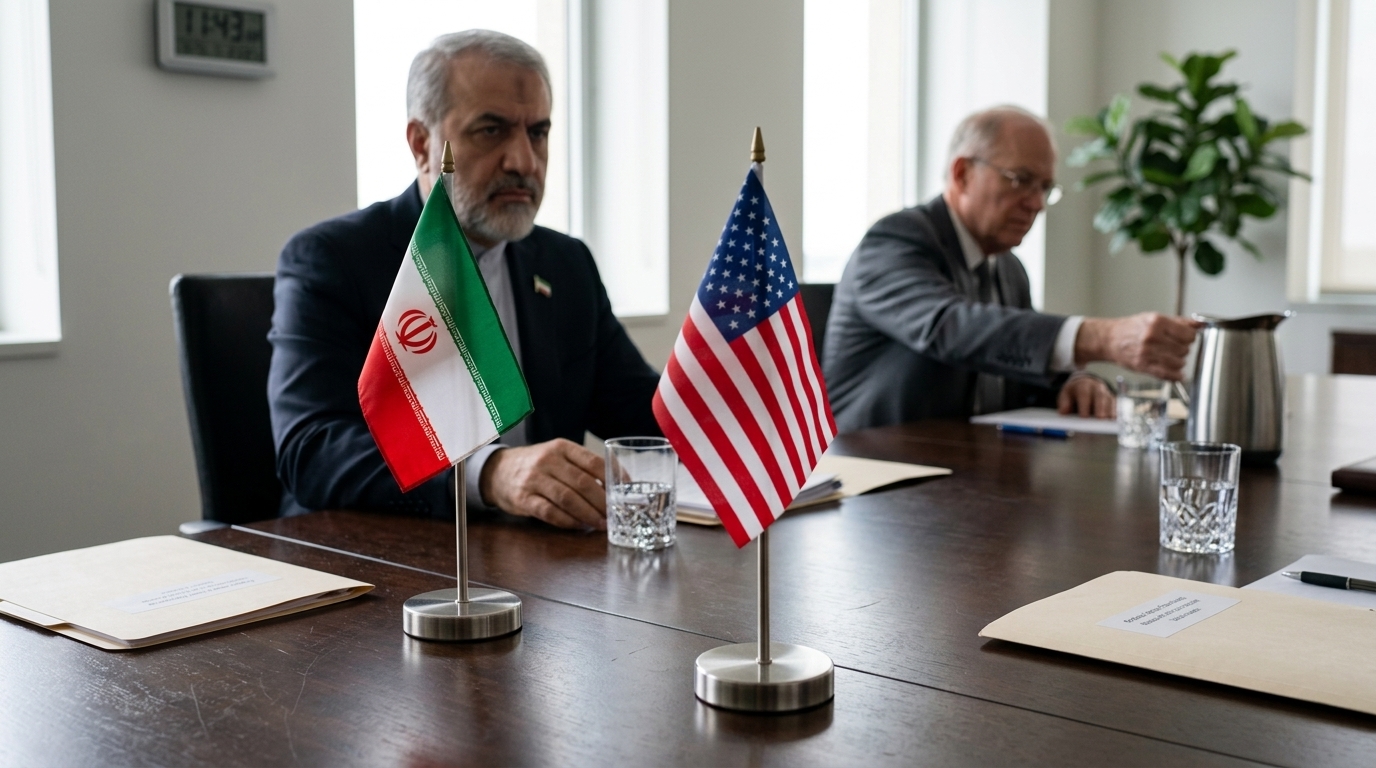
Official briefings from Washington to European capitals are clear: the needs of US forces on the Middle East front and the replenishment of US strategic stockpiles take precedence over export contracts. Patriot air defense systems, precision missiles, and critical components for F-35 fighters, scheduled for delivery this year to countries like Poland, Germany, and Greece, are already facing delays exceeding 18 months.
This situation is not merely a logistical problem; it is a political crisis. Washington, under pressure from domestic public opinion and operational requirements, is implementing a de facto 'America First' policy in practice. The result is a security vacuum on NATO's eastern flank, at a time when Russia remains an active threat and European warehouses have been depleted due to ongoing support for Ukraine.
European 'Substitutes': From Theory to Practice
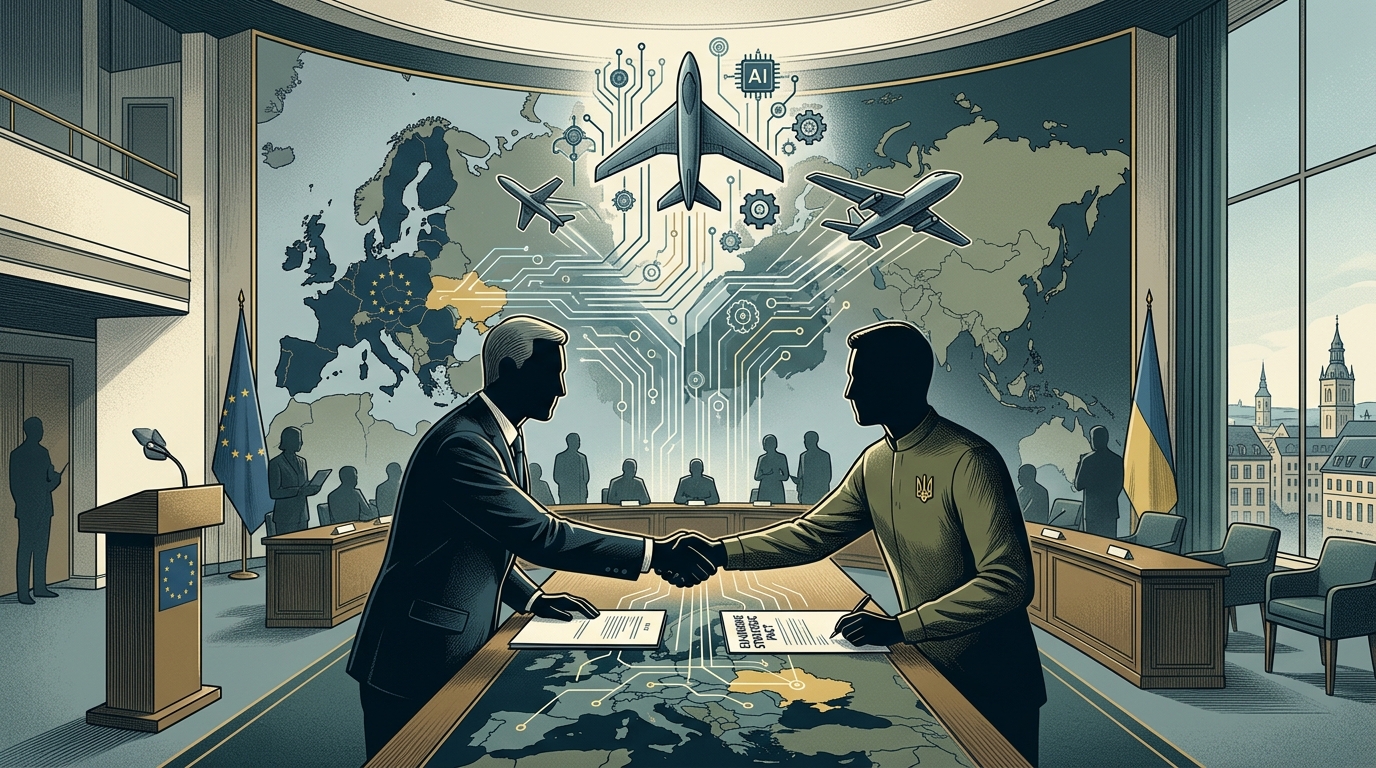
The need for 'Strategic Autonomy,' a term once considered a French obsession, is now the European Commission's new doctrine. The search for substitutes is no easy task, as the European defense industry is fragmented and suffers from years of underfunding. However, the continent's industrial giants—Germany's Rheinmetall, France's Dassault, Italy's Leonardo, and Sweden's Saab—are seeing their order books fill at unprecedented rates.
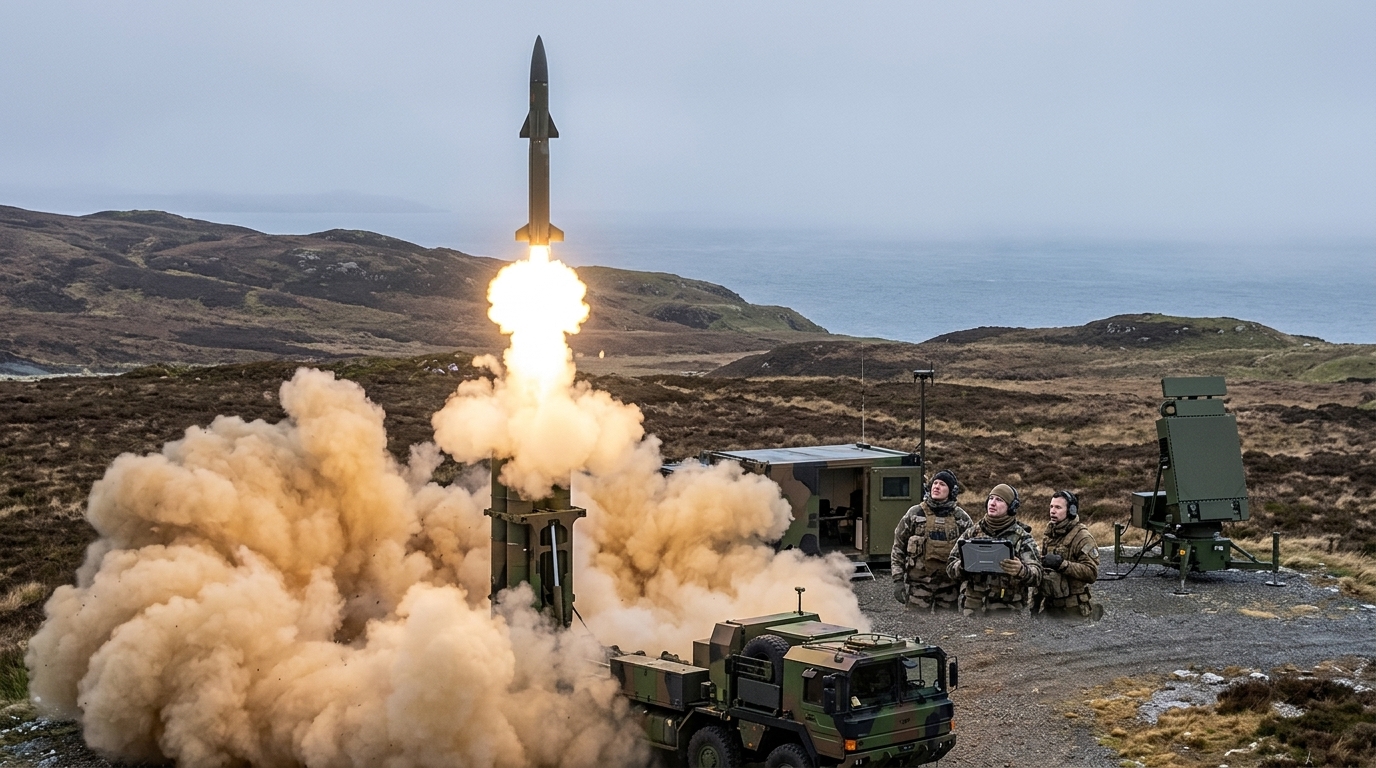
- Air Defense: Germany's IRIS-T system and the SAMP/T from the Eurosam consortium are emerging as the main competitors to the Patriot, with many countries considering canceling US orders in favor of European solutions.
- Armor: Production of the Leopard 2A8 is accelerating, while the Main Ground Combat System (MGCS) program is gaining new momentum as the answer to the future of land operations.
- Air Force: Despite the dominance of the F-35, the French Rafale and the Eurofighter Typhoon are gaining ground in countries that fear dependence on US software and future delivery delays.
"Europe can no longer outsource its security, no matter how close its allies are. Our industrial base must become the guarantor of our freedom," a senior EU official recently stated in Brussels.
The Challenges of Transition
Despite the political will, significant obstacles remain. European production suffers from a lack of raw materials and a skilled workforce. Furthermore, standardization remains the EU's 'thorn': while the US produces one main type of battle tank, Europe uses over ten different models, a fact that skyrockets maintenance costs and reduces interoperability.
The recently announced European Defence Industry Programme (EDIP) aims to allocate billions of euros for the joint procurement of equipment. However, the transition from 'Made in USA' to 'Made in Europe' will take at least a decade. In the meantime, the Old Continent must manage a dangerous balance: keeping the alliance with the US alive while building the walls that will protect it if—and when—Washington decides to permanently withdraw from European affairs.
Conclusion
Delays in US weapon deliveries are not just a technical issue; they represent the end of an era. Europe is discovering the hard way that sovereignty requires sacrifice and, above all, a strong industrial base. The war in Iran has acted as a catalyst, accelerating developments that would have taken decades. The question is no longer whether Europe will arm itself with its own means, but whether it will manage to do so before the next major crisis knocks on its door.