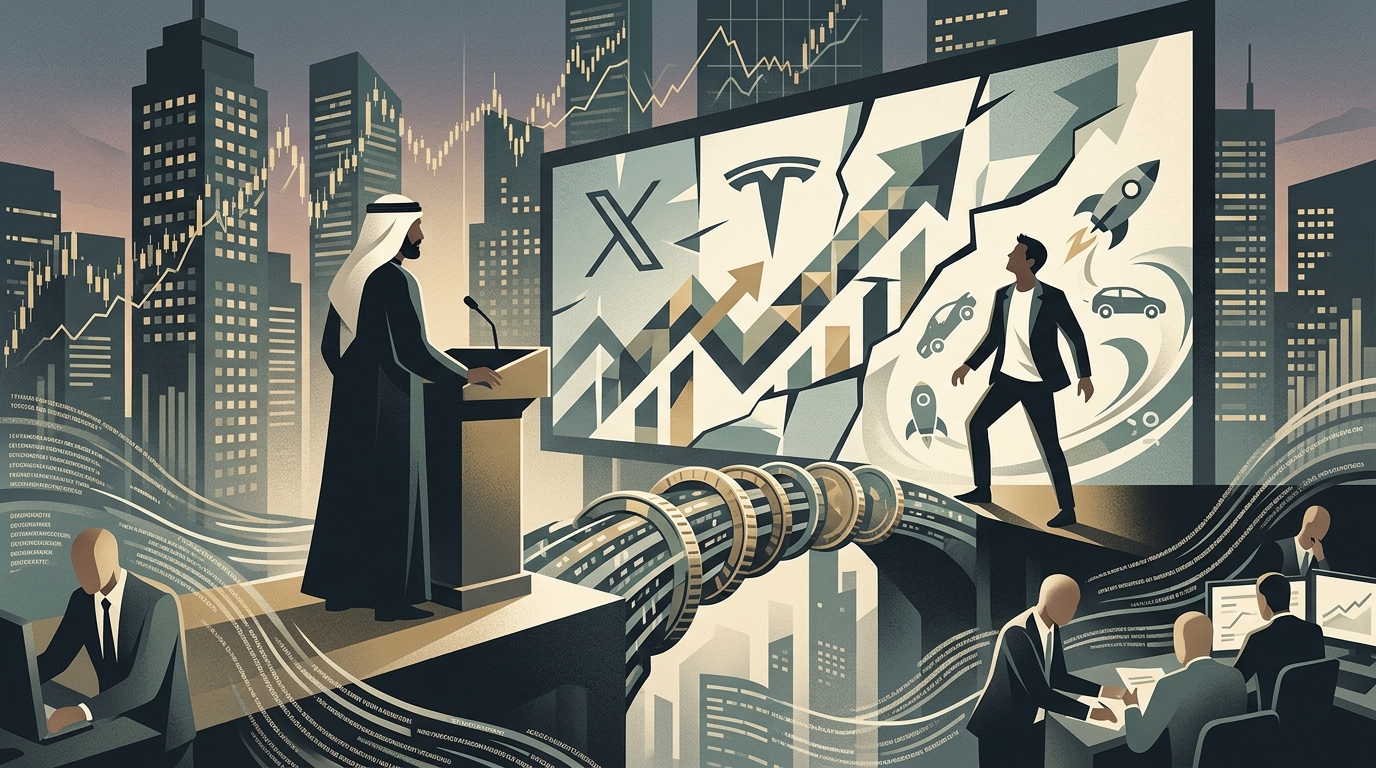
As we navigate the mid-2020s, humanity faces a stark paradox: the very technologies promised to lead us into a cleaner, more efficient future—Artificial Intelligence (AI) and Electric Vehicles (EVs)—now threaten to deplete our energy reserves. The "digital revolution" is no longer intangible. It has physical weight, generates heat, and, most importantly, possesses an insatiable thirst for electrons.
The Rise of Data Centers: The Energy Cost of Intelligence
Data centers have always been significant energy consumers, but the advent of Generative AI has shifted the paradigm. Training a large language model (LLM) requires thousands of specialized processors (GPUs) running at peak capacity for months. However, the true challenge lies in inference. Every time a user submits a query to an AI chatbot, the energy consumed is several times higher than a traditional Google search.
According to recent analyses, global data center electricity consumption is expected to double by 2026, reaching 1,000 TWh (terawatt-hours), an amount equivalent to the total electricity consumption of Germany. Tech giants like Microsoft, Google, and Amazon are in a frantic race to secure power, increasingly investing in private grids and exploring controversial sources like nuclear energy to bypass grid bottlenecks.
Electrification of Transport: From Tailpipe to Plug
Simultaneously, the transition to zero-emission transportation adds another layer of complexity. Electric vehicles are not just cars; they are mobile energy storage units that require massive amounts of power to charge. The challenge here is not just the total volume of energy, but the peak demand. When millions of drivers return home in the evening and plug their vehicles into the grid, they create a "spike" that existing infrastructure struggles to accommodate.
- The demand for fast-chargers necessitates massive upgrades to local substations.
- Smart charging management is becoming mandatory to prevent local blackouts.
- Battery production remains an energy-intensive process that often shifts the environmental footprint from the city to the industrial zone.
The Infrastructure Crisis and Energy Geopolitics
The greatest hurdle in meeting this demand is not a lack of energy sources, but the obsolescence of transmission grids. In many developed economies, the power grid was designed 50 years ago for a centralized production model. Today, it must integrate thousands of intermittent renewable energy sources and serve massive new industrial loads. Delays in connecting new data centers to the grid now reach 5 to 10 years in hubs like Northern Virginia or Dublin.
"We are not just facing an energy challenge; we are facing a structural infrastructure crisis. Unless we invest trillions in grid modernization, the digital economy will hit a wall made of copper and cables," notes an official from the International Energy Agency.
On a geopolitical level, the need for power is redefining alliances. Countries offering cheap, stable energy—whether through nuclear power or geothermal resources—are becoming the new magnets for tech investment. Europe, caught between high energy prices and strict climate mandates, risks falling behind in the global AI race unless it finds a way to guarantee abundant and clean power for its infrastructure.
Conclusion: The Need for a New Energy Strategy
The solution cannot be one-dimensional. It requires a combination of technologies: from Small Modular Reactors (SMRs) promising stable power adjacent to data centers, to smart grids that use AI itself to balance demand in real-time. The era of "free" and effortless digital growth is over. The future of technology will be decided not in software labs, but in the fields of energy generation and distribution.