The international community is watching with bated breath as one of the most critical geopolitical thrillers of the decade unfolds. Talks between the United States and Iran, held under strict secrecy and mediated by third parties in Pakistan, appear to have hit a dangerous deadlock. The hope for a permanent ceasefire and a new nuclear agreement with Tehran seems to be slipping away as both sides entrench themselves behind their respective red lines.
Maximum Pressure 2.0 and Tehran's Counter-Strategy
The Trump administration, adhering to its doctrine of 'transactional diplomacy,' has attempted to impose a new framework of terms that goes far beyond the original 2015 JCPOA. Washington is demanding not only full control over nuclear facilities but also limitations on Iran's ballistic missile program and the cessation of support for regional proxies. On the other hand, Tehran, facing an economy tested by sanctions yet remaining resilient, refuses to back down without the full and immediate lifting of economic restrictions.
The impasse in Pakistan was not merely a technical failure; it was a clash of two diametrically opposed worldviews. Iranian negotiators reportedly brought 'new cards' to the table, implying that progress in uranium enrichment has reached a point of no return. This move was interpreted by Washington as blackmail, leading to the cancellation of scheduled meetings and the return of delegations to their capitals.
The Role of Pakistan and Regional Equilibrium
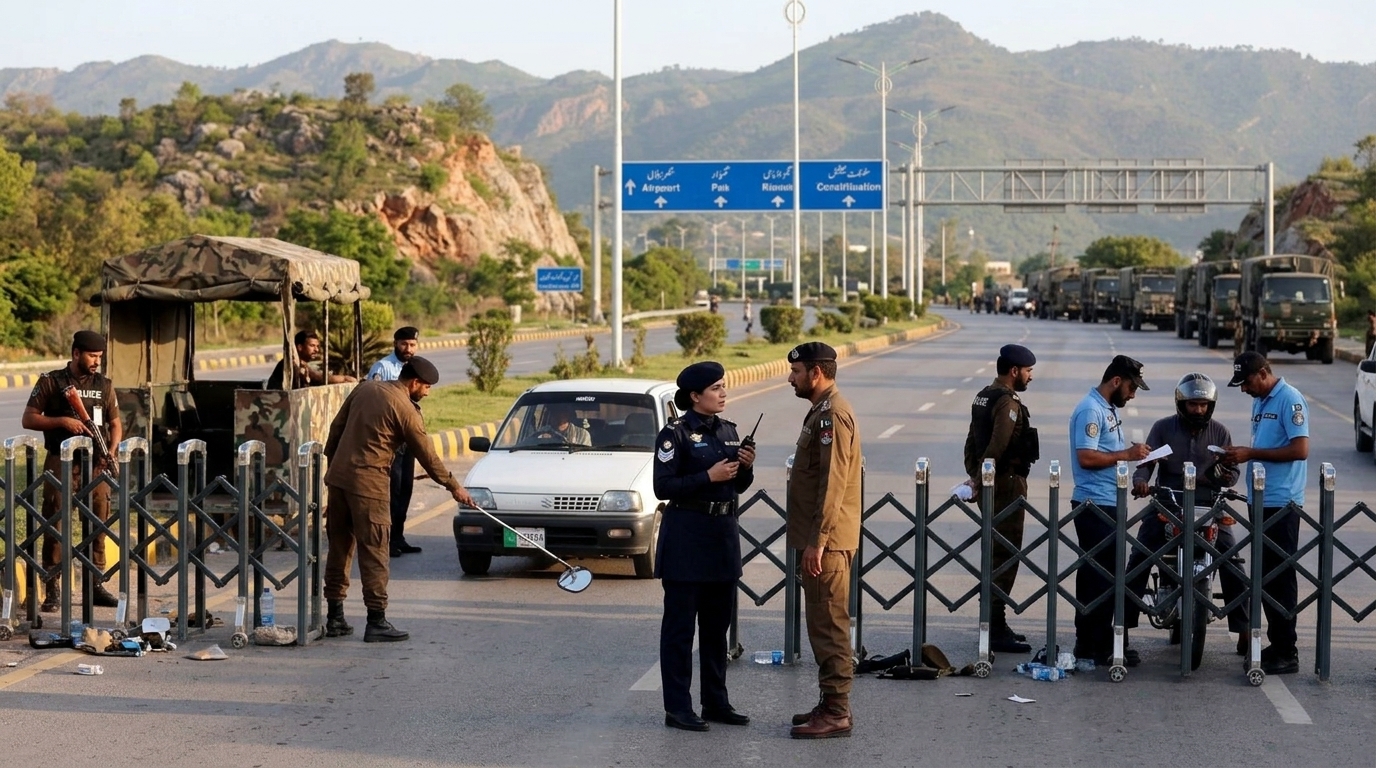
The choice of Islamabad as the venue for these talks was no coincidence. Pakistan, maintaining traditionally close ties with both sides, attempted to play the role of peacemaker in a volatile region. However, the failure of the talks leaves Pakistan in a difficult position, as instability on its border with Iran could worsen. China and Russia are also monitoring the situation closely, with Beijing offering economic lifelines to Tehran that partially undermine the efficacy of American sanctions.
- Tehran threatens further uranium enrichment if sanctions relief is not granted within 30 days.
- The US is reinforcing its military presence in the Persian Gulf as a deterrent signal.
- European powers (E3) are desperately trying to salvage the diplomatic channel, fearing a widespread conflict.
The Trump Dilemma: Deal or War?
Donald Trump faces a historic dilemma. On one hand, his desire to secure a major diplomatic victory that frames him as the ultimate 'deal-maker' is evident. On the other, pressure from hardliners within his circle and regional allies like Israel for a decisive confrontation with Iran is stronger than ever. The White House rhetoric alternates between offers for dialogue and threats of 'total destruction,' a tactic aimed at destabilizing the Iranian leadership but carrying the risk of a miscalculation that could ignite war.
In conclusion, the 'tangled mess' of US-Iran talks remains unresolved. The failure in Pakistan does not necessarily mean the end of diplomacy, but it certainly marks the end of the grace period. The coming weeks will be decisive in determining whether the Middle East moves toward a new security architecture or into a dark period of conflict with unpredictable consequences for the global economy and peace.