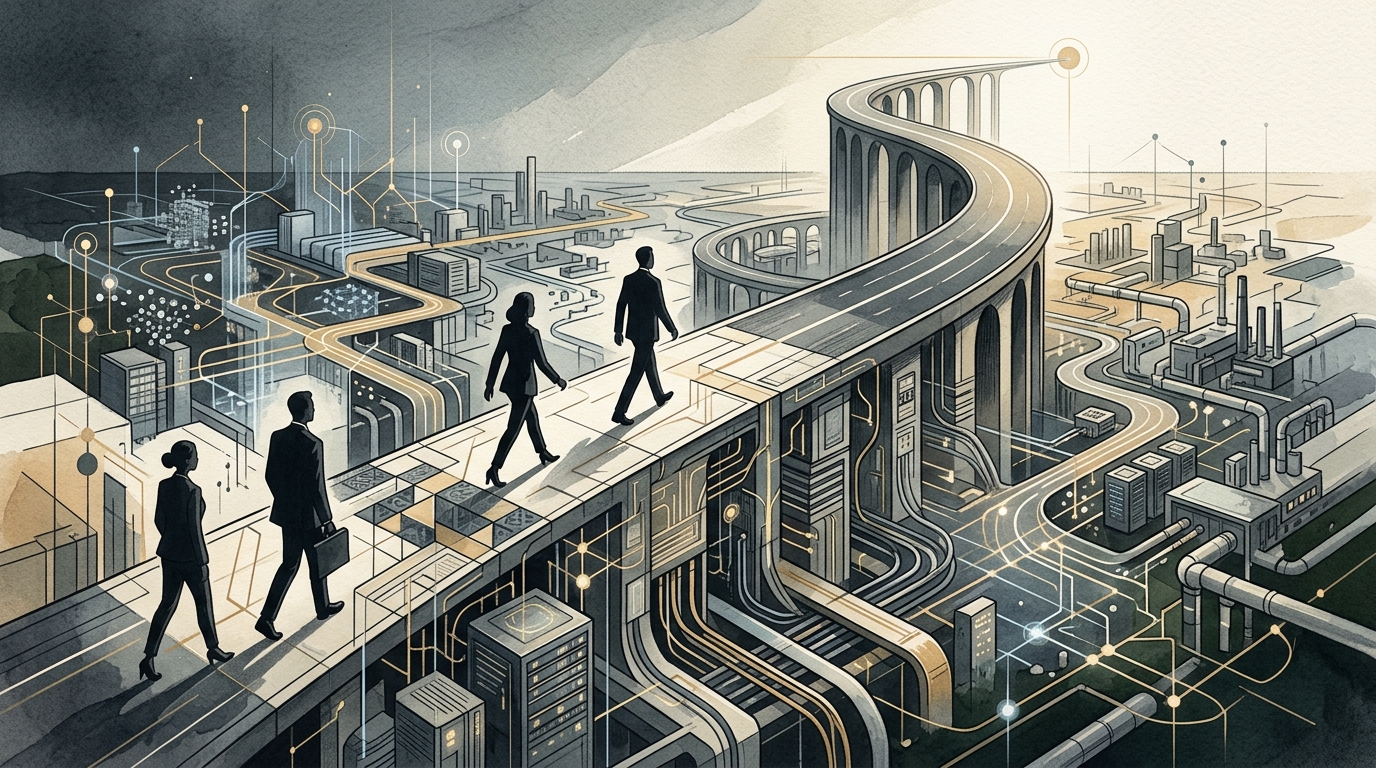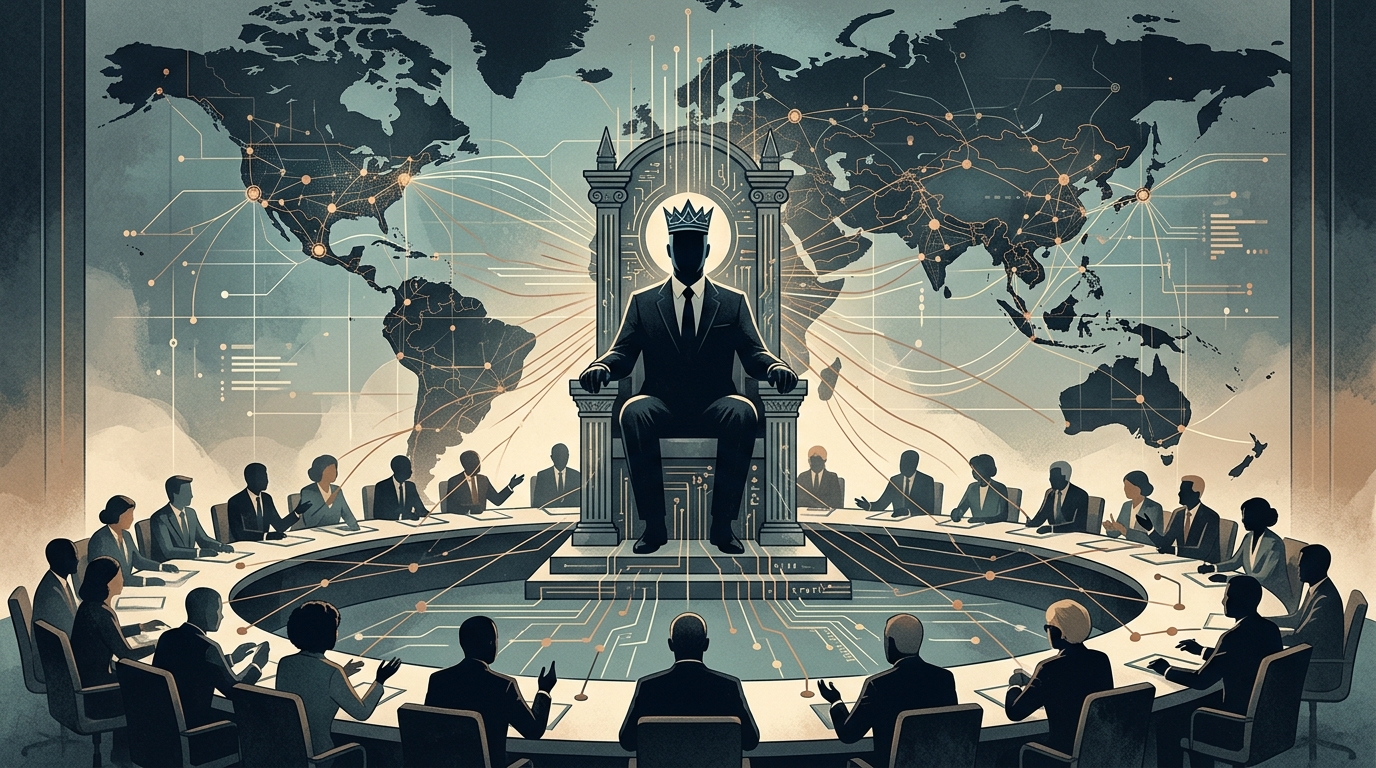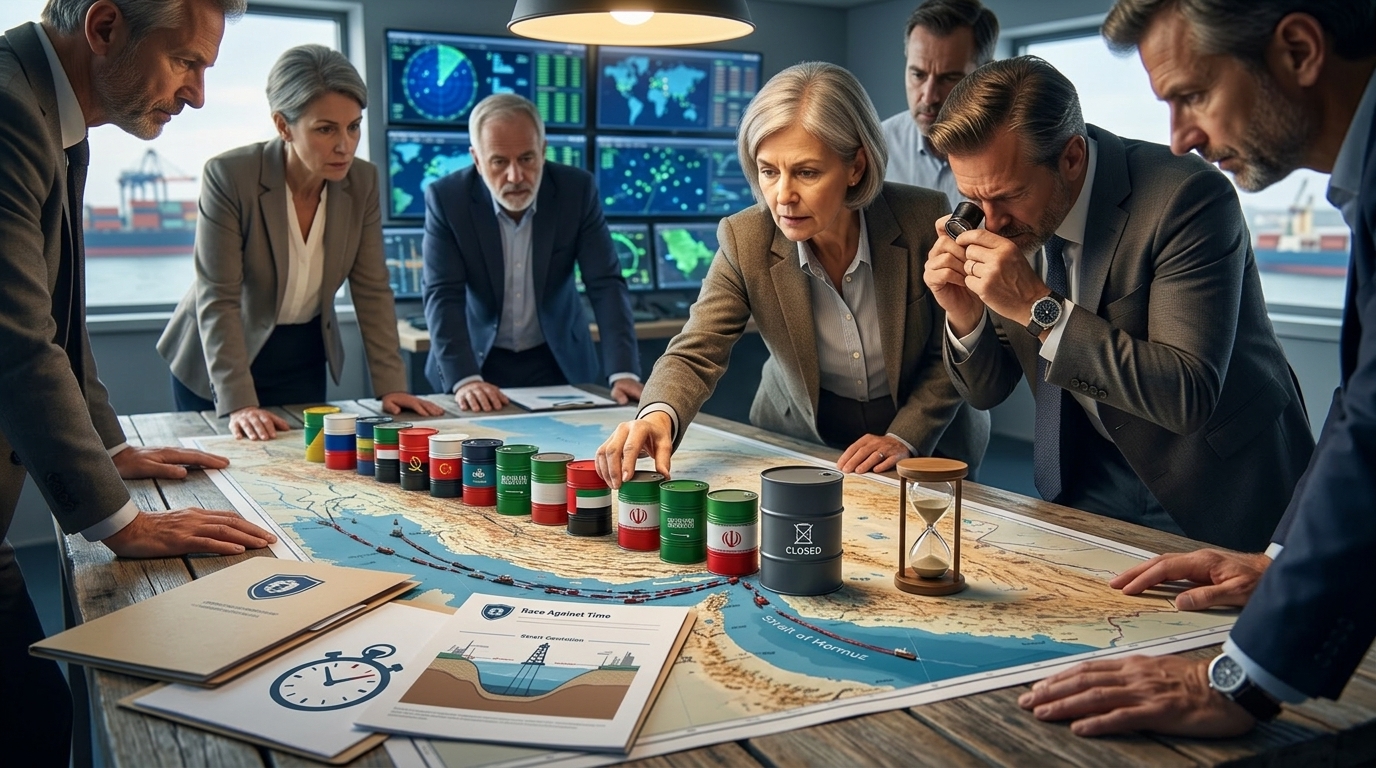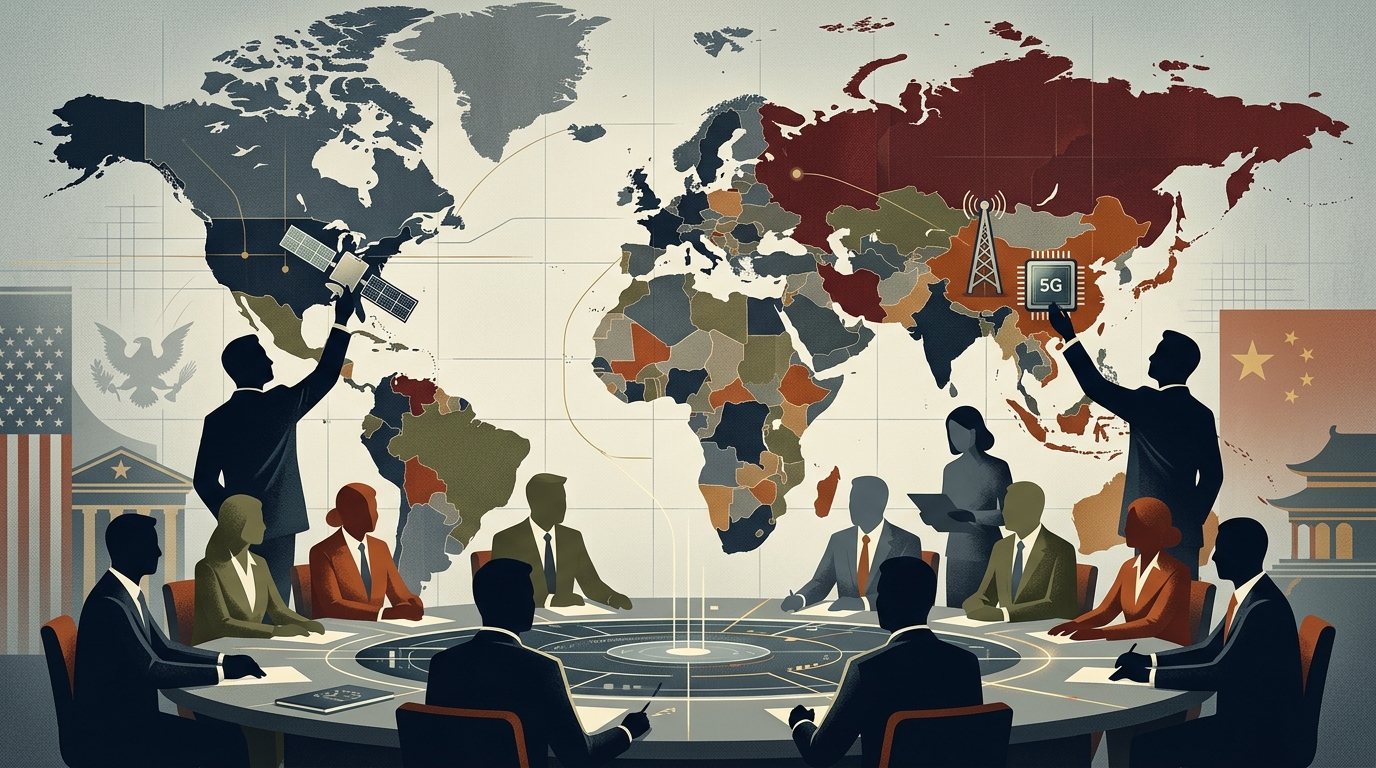
The history of 21st-century international relations will undoubtedly be written with ink reflecting the friction between Washington and Beijing. What began in 2011 as a strategic "Pivot to Asia" by the Obama administration has now morphed into a multi-layered confrontation touching upon economy, security, and, primarily, technological supremacy. However, using the term "New Cold War" might be misleading, as today's reality is characterized by an unprecedented economic interdependence that never existed between the US and the USSR.
Artificial Intelligence as the New Nuclear Arsenal
At the core of today's rivalry lie not just geopolitical spheres of influence, but algorithms and semiconductors. Artificial Intelligence (AI) has emerged as the ultimate competitive field, with the US attempting to restrict China's access to advanced chips through strict export controls. The logic is simple yet ruthless: whoever dominates AI will control not only the economy of the future but also next-generation weaponry.
China, for its part, is investing billions in "technological self-reliance." Beijing knows its dependence on Western technologies is its Achilles' heel. The "Made in China 2025" strategy was not just an economic plan, but a declaration of independence. The conflict over Taiwan gains an additional dimension here, as TSMC (Taiwan Semiconductor Manufacturing Company) constitutes the "holy grail" of global microchip production.
Decoupling or De-risking?
While the rhetoric of "decoupling" dominated previous years, economic reality forced a more moderate term: "de-risking." Western economies realized that completely cutting off from the Chinese supply chain is practically impossible without triggering a global economic collapse. China remains the "factory of the world," but also a massive market for American multinationals.
- Dependence on critical raw materials (rare earths) gives China a strong bargaining chip.
- The US utilizes the dollar and the international financial system as tools of pressure.
- Europe finds itself in a difficult balancing act, trying to maintain trade relations with Beijing without rupturing its alliance with Washington.
"Competition is not necessarily conflict, but the lack of communication channels makes an accident almost certain," international security analysts note.
The Geopolitics of the Sea and the Thucydides Trap
In the South China Sea, tensions are escalating. China claims sovereignty over waters that are vital arteries of global trade, while the US strengthens its alliances (AUKUS, Quad) to contain Chinese expansion. Many historians refer to the "Thucydides Trap" – the tendency of a dominant power to clash with a rising one. However, in the 21st century, power is measured not only by battleships but by the control of data and undersea fiber optic cables.
The future of the US-China rivalry will be decided by the ability of both sides to establish "guardrails" in their relationship. Climate change and global health crises require cooperation, at the same time that geopolitical ego drives isolation. The balance is delicate, and the stake is nothing less than global stability itself.