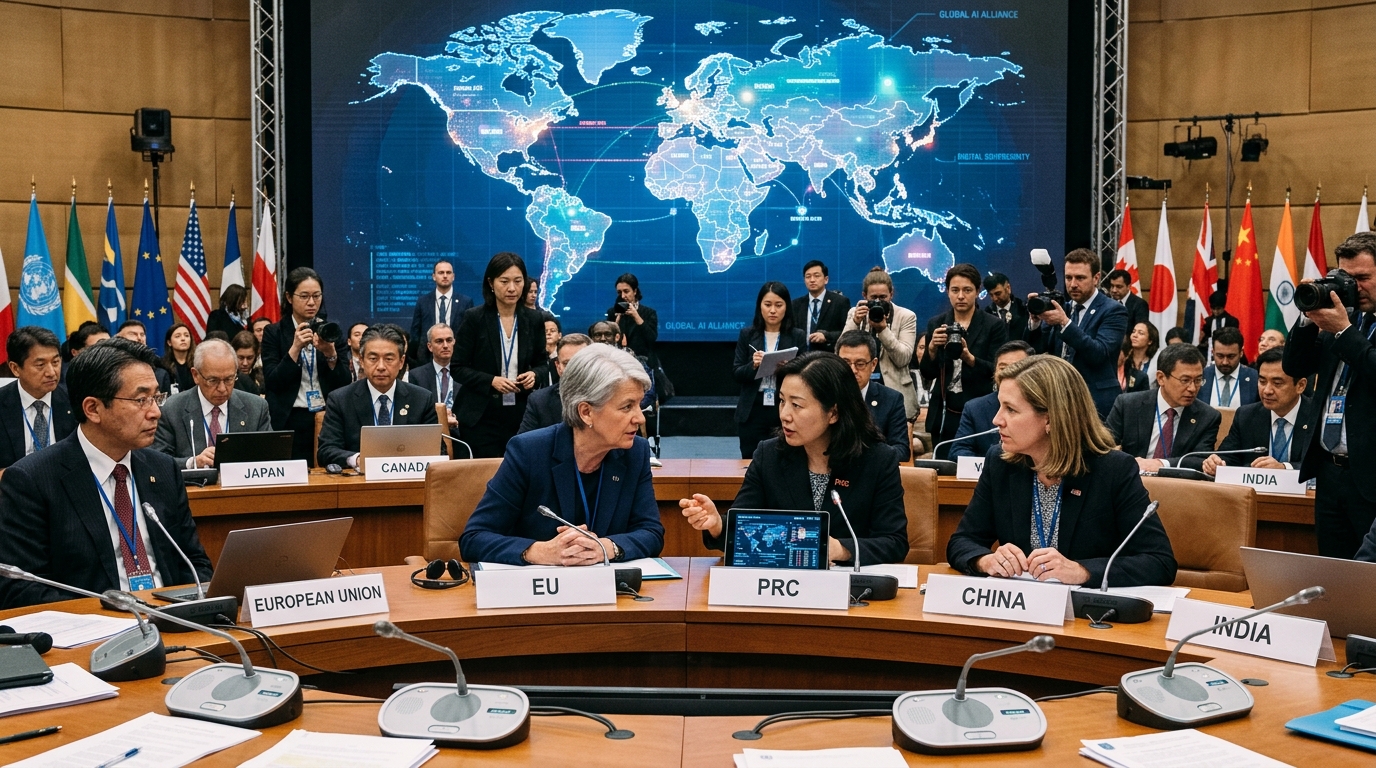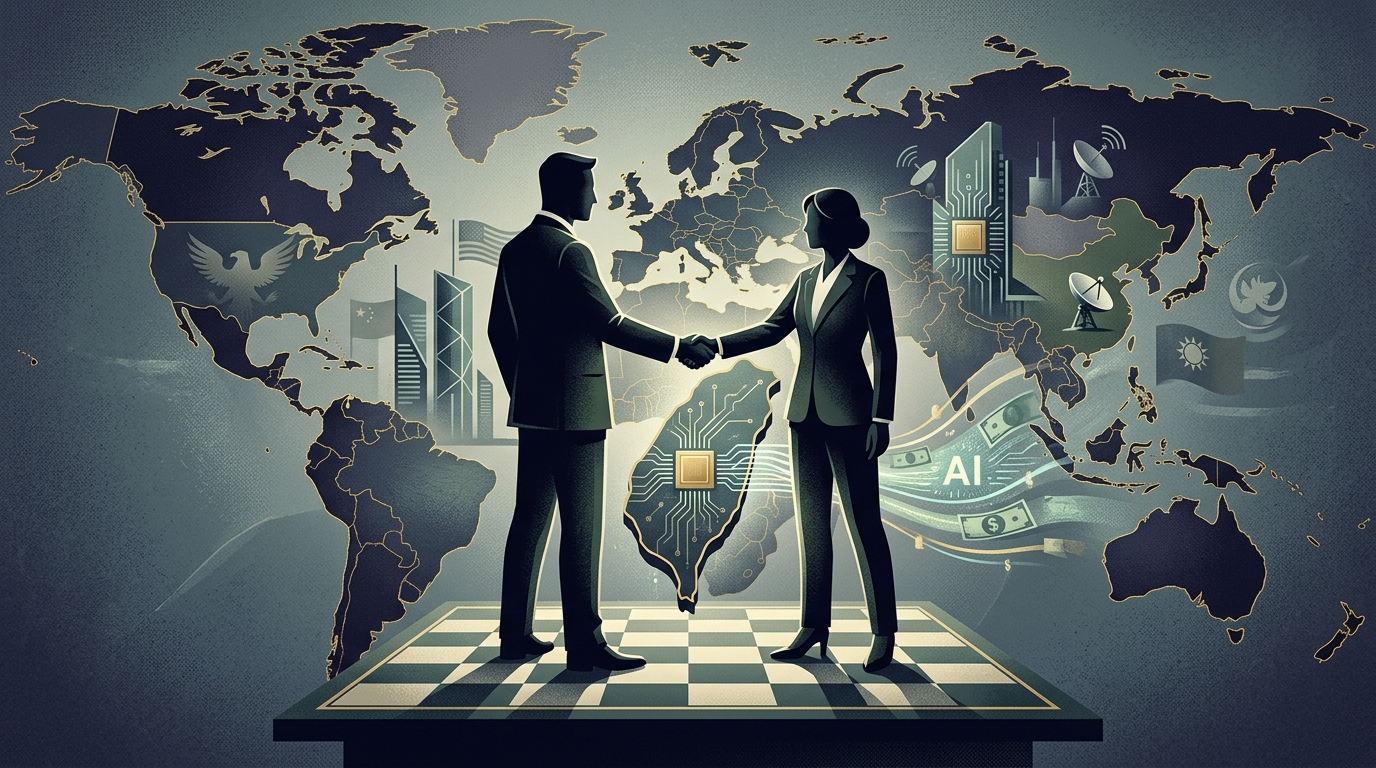
In the corridors of Washington and the laboratories of Silicon Valley, a new fear is taking shape: the conviction that China is not merely trying to catch up with the West in artificial intelligence, but is doing so by using the very foundations built by American companies. Recent reports and statements from US officials allege that Chinese firms, led by DeepSeek, are engaging in "industrial-scale" copying of AI models, sparking a geopolitical crisis that threatens to upend the global balance of power.
The Rise of DeepSeek and the Shadow of Doubt
DeepSeek, a Chinese AI lab funded by hedge funds, surprised the global community by releasing models that perform on par with OpenAI’s GPT-4, but at a fraction of the training cost. While the Chinese side speaks of "algorithmic efficiency," US authorities and security analysts suspect something far darker: the method of "model distillation."
Distillation is not a new technique, but the scale at which it is allegedly being applied is unprecedented. Essentially, a less advanced model is trained using the responses of a top-tier model (such as GPT-4 or Claude) as input data. In this way, the "apprentice" model steals the logic and knowledge of the "teacher" without having to spend billions of dollars on computing power or primary data collection. According to US sources, this practice violates the terms of service of American platforms and constitutes a form of digital parasitism.
"We are not just seeing competition; we are seeing a systematic effort to bypass decades of research and development through the theft of intellectual property," said a senior US Department of Commerce official.
Geopolitical Implications and the 'Silicon Curtain'
This conflict is not just about code and algorithms. It is a battle for supremacy in the 21st century. The US has already imposed strict export controls on advanced NVIDIA chips to China, hoping to slow Beijing's progress. However, if China can produce top-tier AI models through duplication, hardware restrictions become less effective.
Washington's response is expected to be harsh. Measures are already being discussed to limit Chinese entities' access to American APIs (Application Programming Interfaces), effectively closing the "door" through which Chinese algorithms "feed" on American data. This creates a new "Silicon Curtain," dividing the internet and technology into two incompatible camps: a Western one and a Chinese one.
- Restrictions on cloud computing access for foreign powers.
- Stricter controls on investments in Chinese tech startups.
- International pressure to establish ethical and intellectual property rules for AI.
The Chinese Response: Innovation or Imitation?
For its part, Beijing dismisses the accusations as "technological bullying" and an attempt by the US to maintain its monopoly. Chinese scientists argue that DeepSeek's success is due to superior Mixture-of-Experts (MoE) architecture and their ability to optimize code for limited resources. The irony is that many of the techniques they use are open-source, which legally complicates the issue of "theft."
Nevertheless, the pressure remains. If it is proven that DeepSeek and other companies systematically used data from OpenAI to bypass their own research gaps, the legal and economic consequences will be immense. US companies are now calling for state protection, arguing that national security is at stake when military AI applications in China are based on American technology.
Conclusion: The Future of Global Cooperation
The era of open scientific exchange in artificial intelligence seems to be drawing to a close. As accusations of industrial espionage multiply, trust between the two superpowers is collapsing. The stakes are not just corporate profits, but who will define the rules of the intelligence that will govern our future. If copying becomes the norm, innovation may slow down as companies increasingly turn inward to protect their secrets.