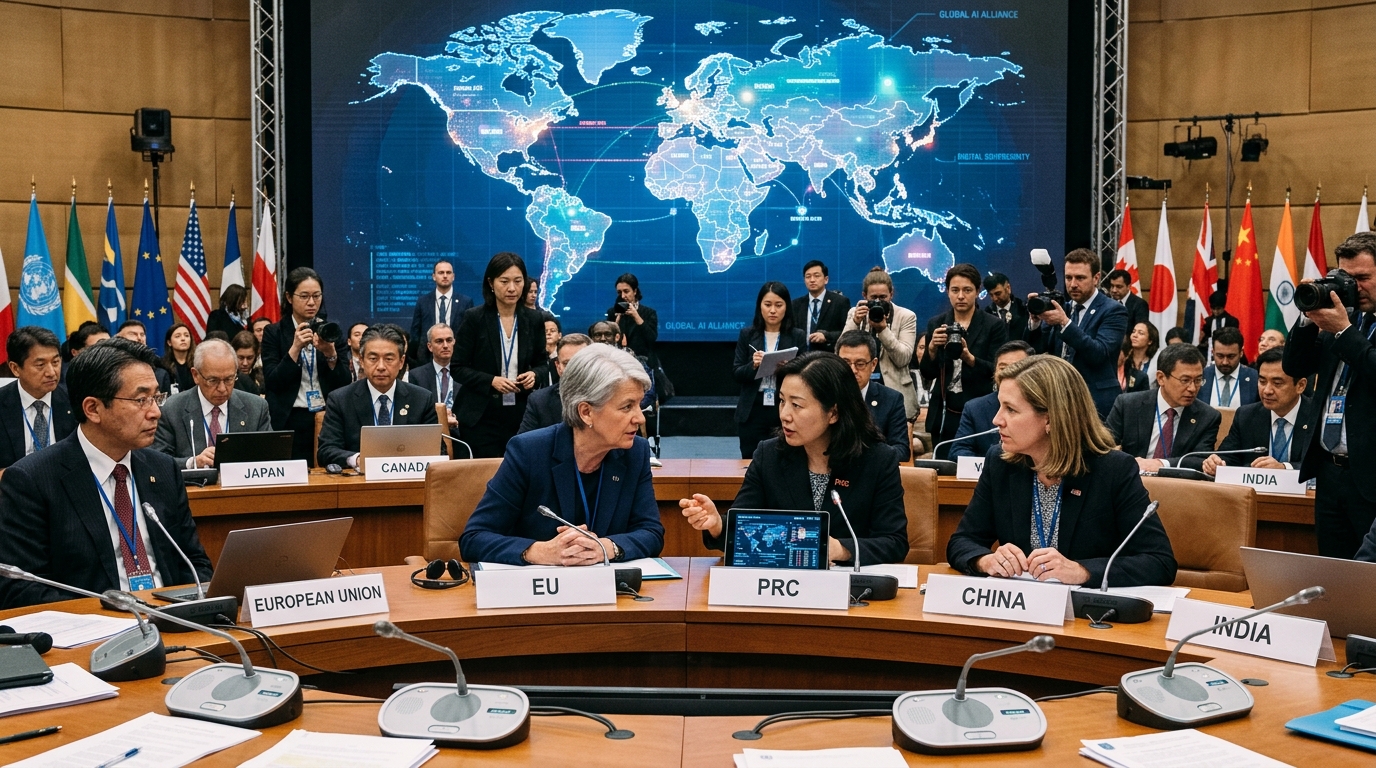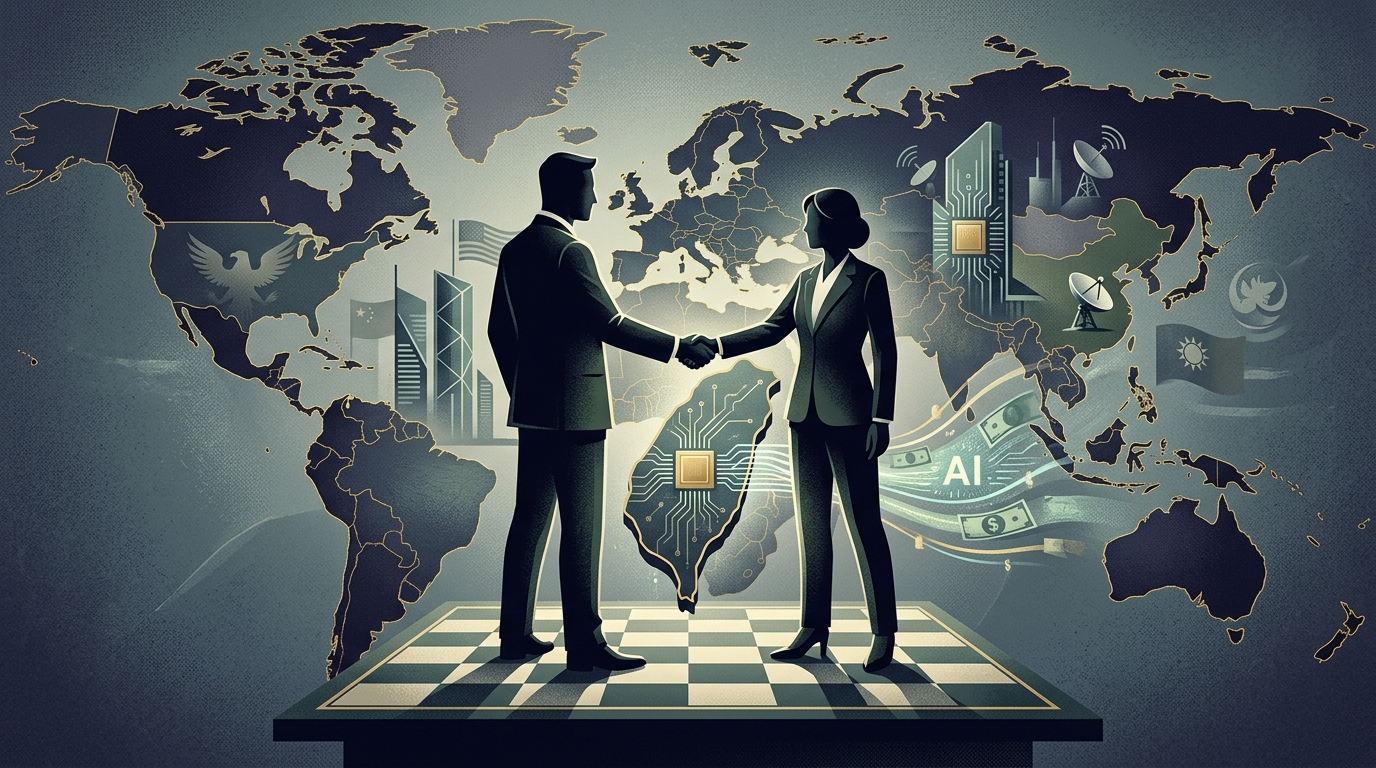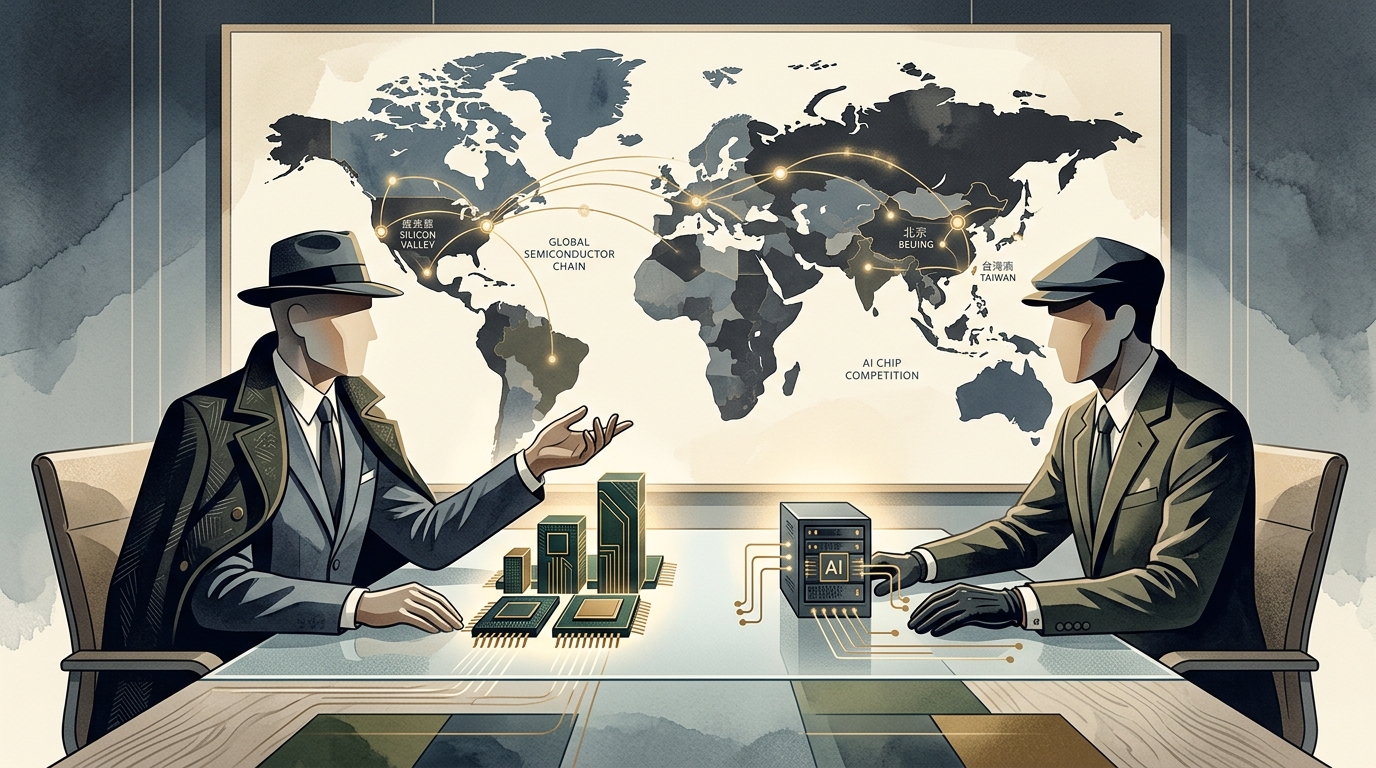
The global geopolitical chessboard is vibrating following the latest developments in Beijing, as President Donald Trump revealed that his discussions with Chinese counterpart Xi Jinping touched upon the most sensitive issue of our time: Nvidia’s AI semiconductors. The news, first broken by Bloomberg Tech, signals a potential pivot from a policy of absolute containment to a more transactional approach toward technological supremacy.
The H200 Bargain: National Security vs. Trade
Nvidia’s H200 processors are not merely computer components; they are the fuel of the next industrial revolution. Until recently, Washington maintained a hardline stance, drastically restricting China’s access to such cutting-edge technology to hinder its military advancement. However, Trump’s mention of direct discussions regarding these specific chips suggests that semiconductors have become the ultimate bargaining chip in a broader trade deal.
According to analysts, Trump seems to favor a strategy of "managed access," where China could acquire older or modified versions of the chips in exchange for significant concessions in other sectors, such as agricultural trade or debt management. This approach, while economically attractive for Silicon Valley, is causing friction within US national security circles, who fear that any relaxation could accelerate Chinese dominance in Artificial Intelligence.
Figma: Software Resilience in the Age of AI
While superpower leaders clash over hardware, Silicon Valley is attempting to decipher the future of software. Figma CEO Dylan Field, speaking to Bloomberg, presented impressive results that defy the doomsayers. Many predicted that Generative AI would render design tools obsolete, as AI could automatically generate interfaces.
Instead, Figma saw a revenue surge, proving that AI acts more as an accelerator than a replacement. "AI isn't replacing the designer; it's enabling them to explore a thousand ideas in the time it used to take for one," Field noted. Figma’s success serves as a critical case study for how software companies can integrate AI without cannibalizing themselves, offering a note of optimism to the tech sector.
The Big Picture: A Fragile Balance
The convergence of these two stories—high-stakes chip diplomacy and the resilience of the software ecosystem—highlights the complexity of 2026. Technology is no longer an isolated sector of the economy; it is the fabric upon which global power is woven. Nvidia sits at the eye of a hurricane, where demand for its computing power exceeds all precedents, forcing even the toughest politicians to reconsider their positions.
- China remains both the largest customer and the greatest competitor for American technology.
- Europe watches these developments closely, trying to carve out its own space between the two superpowers.
- Markets react nervously to every Trump statement, as uncertainty remains the only constant factor.
As we move into the second half of 2026, the question is not whether there will be cooperation or conflict, but what the price will be for the next generation of innovation. "Chip diplomacy" has only just begun, and its consequences will define the economic geography of the 21st century.