The global economic chessboard is vibrating once again with the echoes of an impending trade war. The Trump administration's announcement of a 25% horizontal tariff on imports is not merely an economic threat; it is a fundamental challenge to the transatlantic order established after 1945. In Brussels, the atmosphere is a blend of composure and intense preparation, as the European Commission is tasked with managing a crisis that could reshape the future of European industry.
The Strategy of 'Quiet Power' and Retaliation
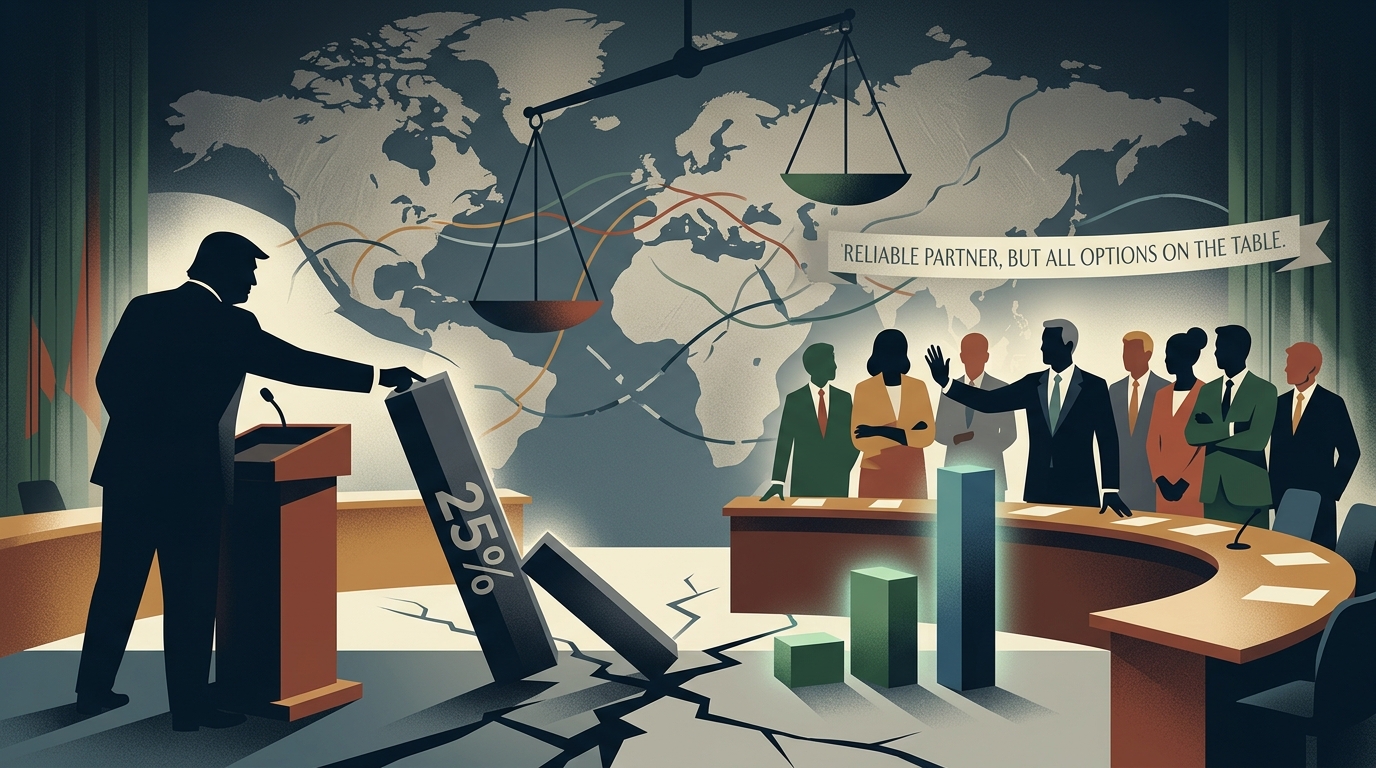
The official line of the European Union remains steadfast: the EU is a reliable partner that respects the rules of the World Trade Organization (WTO). However, behind closed doors in Brussels, preparations are feverish. The EU now has at its disposal the 'Anti-Coercion Instrument,' a legislative tool that allows it to respond quickly and specifically to economic pressures from third countries.
European officials make it clear that if Washington proceeds with implementing its threats, the response will be 'proportionate but decisive.' This means a list of American products—ranging from iconic motorcycle brands and whiskey to high-tech goods—is already under the microscope of analysts for potential tariffs. The strategy is not escalation for escalation's sake, but the creation of a strong deterrent base that will force the American side back to the negotiating table.
German Anxiety and the Export Axis
No member state feels the pressure more than Germany. The engine of Europe, already struggling with deindustrialization and high energy costs, views the 25% tariffs as an existential threat to its automotive industry. German exports to the US are the backbone of its trade surplus, and such a burden would make European vehicles uncompetitive in the American market.
However, the concern is not limited to Berlin. Italy with its luxury goods and machinery, France with its wines and aerospace products, and the Netherlands with semiconductor technology, are all on the front lines. The challenge for the EU is to maintain its unity. The Trump administration has historically attempted to negotiate bilaterally with individual member states, seeking to fracture the European front. Maintaining a unified voice through the Commission is Europe's strongest weapon in this conflict.
The Geopolitics of Pressure: Trade and Security
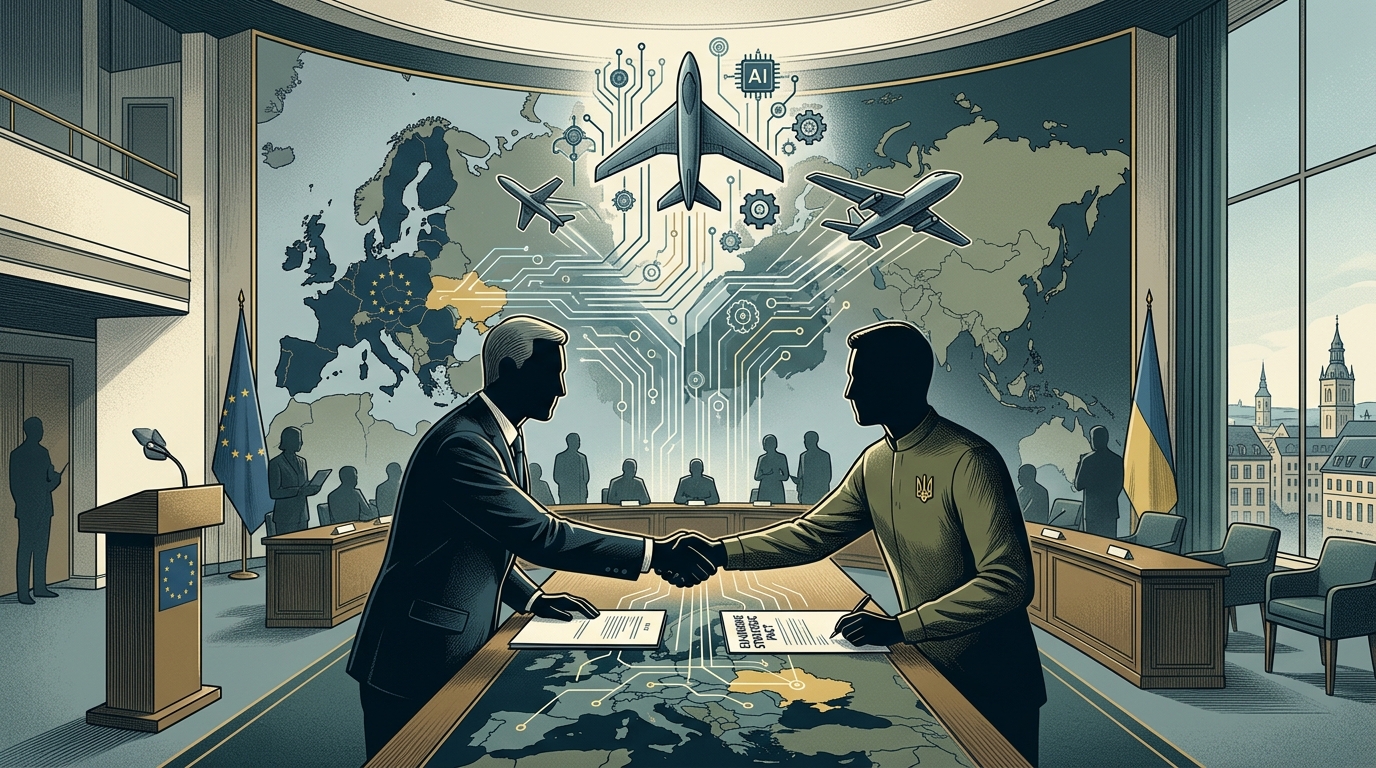
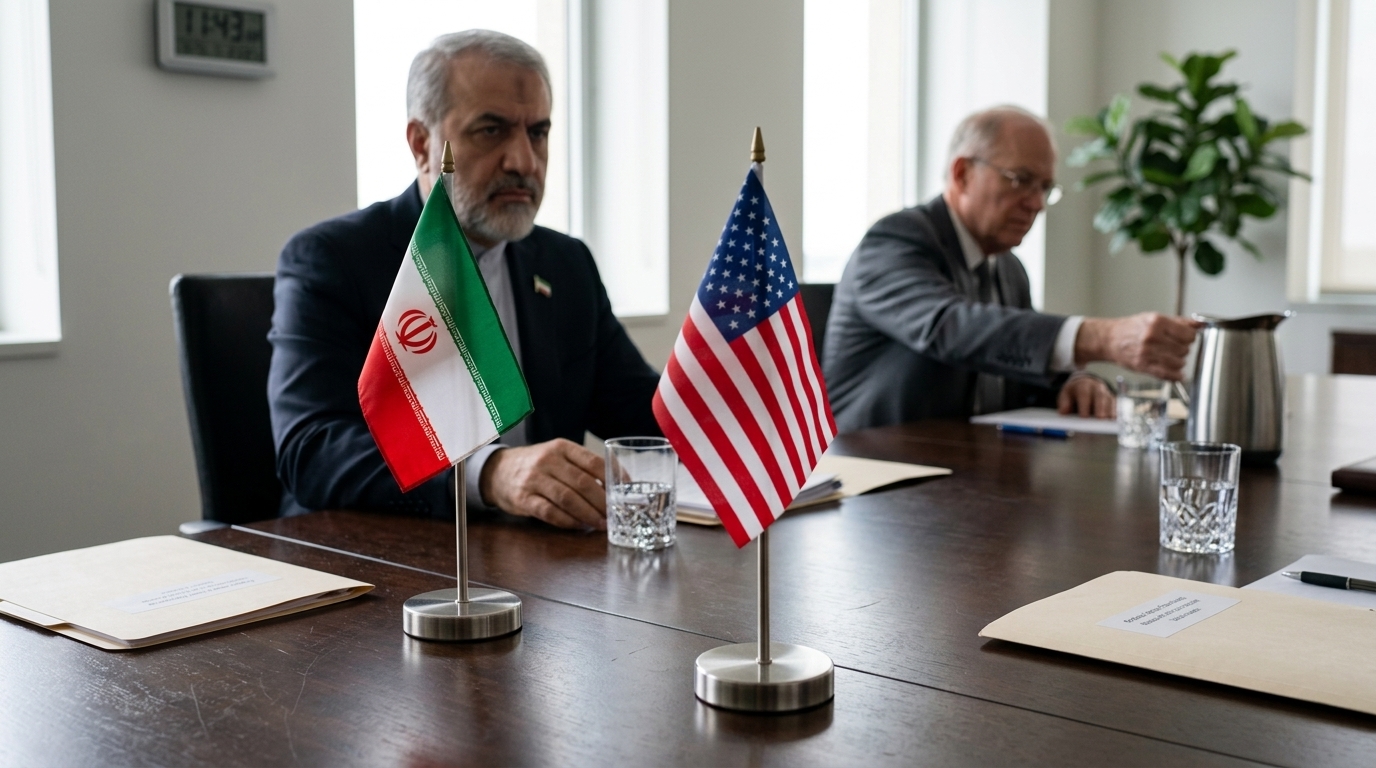
In the new Trump term, trade is not decoupled from security. Tariffs are used as leverage for other demands, such as increasing defense spending by NATO members or aligning Europe with the American hardline stance against China. The EU finds itself in a delicate balance: on one hand, it wants to maintain access to the US market, and on the other, it wishes to preserve its 'strategic autonomy.'
Washington appears to be asking Brussels to choose a side in the technological and economic war with Beijing. If the EU fully succumbs to American pressure, it risks retaliation from China, which remains the most important trading partner for many European goods. If it refuses, however, the 25% tariffs could become a permanent reality that cripples European growth for the next decade.
A New Era of Protectionism?
The return of protectionism marks the end of the era of 'naive globalization.' Europe is now called to invest in its internal market and seek new alliances in the Global South. Strengthening internal resilience and reducing dependence on external factors—whether it be Russian energy or American markets—is the new doctrine of Brussels.
In conclusion, the EU's response to Trump's tariffs will not be purely economic. It will be a test of its political cohesion and its ability to survive in a world where power trumps rules. The statement 'all measures on the table' is not a threat, but a realistic acknowledgment that the era of polite negotiations has passed. Europe must learn to speak the language of power if it wants to remain a global player.