In a move reminiscent of the bold diplomatic initiatives of his first term with North Korea, Donald Trump has once again stirred the waters of the international geopolitical scene. As April 20, 2026, marks a critical juncture for Middle Eastern stability, news that the American president is ready to sit at the same table with Iranian leadership is causing ripples across Washington, Tel Aviv, and Brussels.
The Islamabad Mission and the Role of JD Vance
JD Vance’s presence in Pakistan is no coincidence. Islamabad, traditionally maintaining a delicate balance between the West and the Islamic world, serves as the ideal conduit for transmitting messages to Tehran. Vance, acting as Trump’s trusted envoy, carries a proposal that blends power with realism. The hard-won ceasefire of recent months is on the brink of collapse, and the US administration seems to realize that the policy of "maximum pressure" now requires a "pressure relief valve."
The talks in Pakistan focus on three key pillars: limiting Iran's nuclear program, reducing support for regional militias, and most importantly for Washington, securing energy routes in the Persian Gulf. Trump, through his platform, made it clear: "If the talks are serious, I am ready to make a grand deal that will bring peace for decades."
From Confrontation to Negotiation
This shift by Trump should not be interpreted as weakness, but as part of his broader strategy to end "endless wars." Following the 2018 withdrawal from the JCPOA, many believed conflict was inevitable. However, 2026 finds Iran in a difficult economic position, with domestic pressures mounting and the need for sanctions relief becoming imperative. The Iranian leadership, though publicly cautious, appears to recognize that a direct conversation with Trump might be the only way to avoid total economic collapse.
- The "America First" strategy dictates a reduction in the costs of military presence in the Middle East.
- China is watching closely, as a US-Iran deal could upend its own "Belt and Road" designs.
- US allies in the region, such as Saudi Arabia, are maintaining a wait-and-see approach, weighing the benefits of stability against the threat of an empowered Iran.
Risks and Challenges
Despite the optimism emanating from the White House, the obstacles remain formidable. Israel has already expressed its reservations, warning that any deal not including the full dismantling of Iran's nuclear infrastructure is "doomed to fail." Furthermore, hardliners in Tehran view any meeting with Trump as a betrayal of the Revolution's principles.
"Diplomacy is not the game of the strong, but the game of the patient," say European diplomatic sources, expressing concern over the speed at which Trump wishes to close the deal.
Conclusion: A New Security Architecture?
If Trump eventually manages to meet with the Supreme Leader or the President of Iran, it will be a moment that alters the course of 21st-century history. This is not just about a photo-op, but the possibility of redefining the relationship between the West and Islam. The question remains: is Iran ready to make the necessary concessions, or is Trump playing a dangerous game that could lead to even greater instability if talks fail?
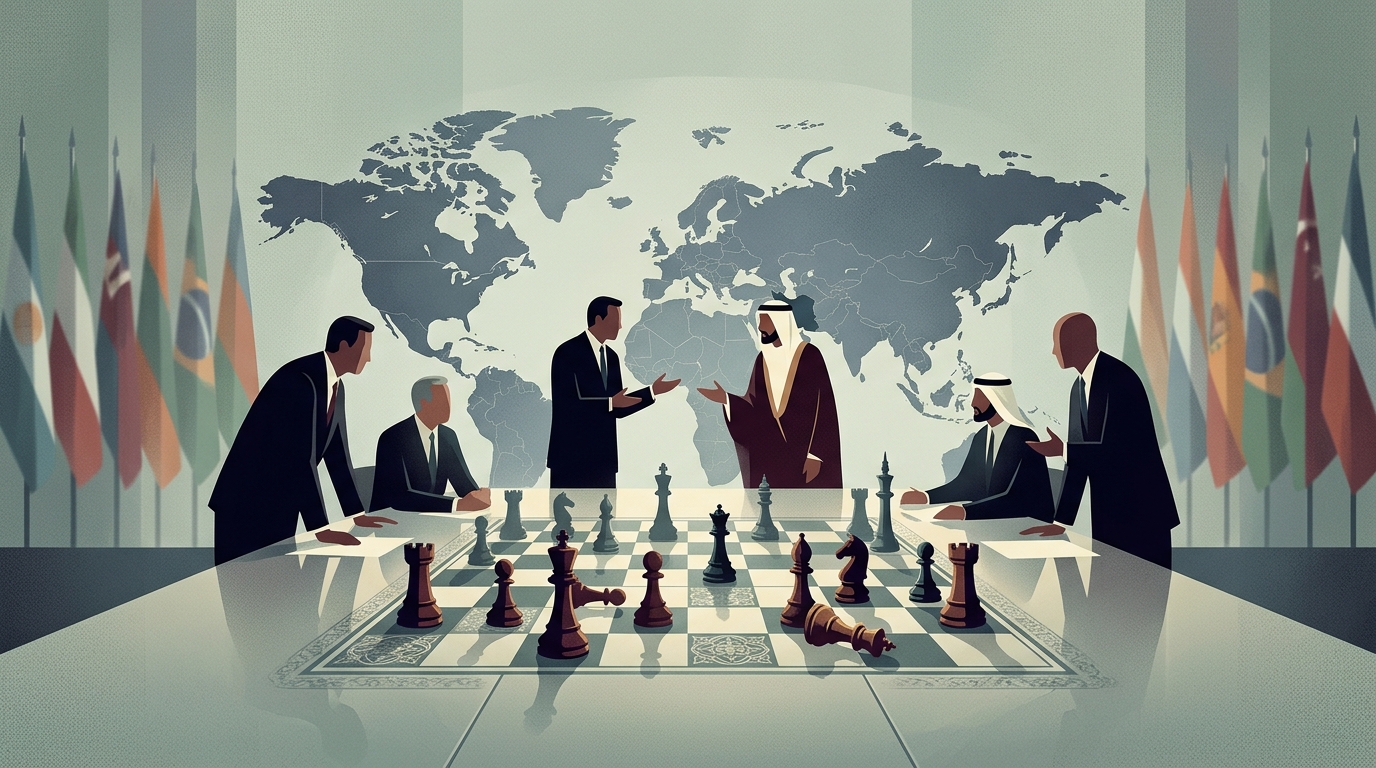
The coming week, with the expiration of the ceasefire, will show whether Vance’s mission to Pakistan was the prologue to a historic agreement or the final act of a decades-long drama. The international community watches with bated breath, knowing that in the geopolitical chessboard of 2026, the only certainty is unpredictability.