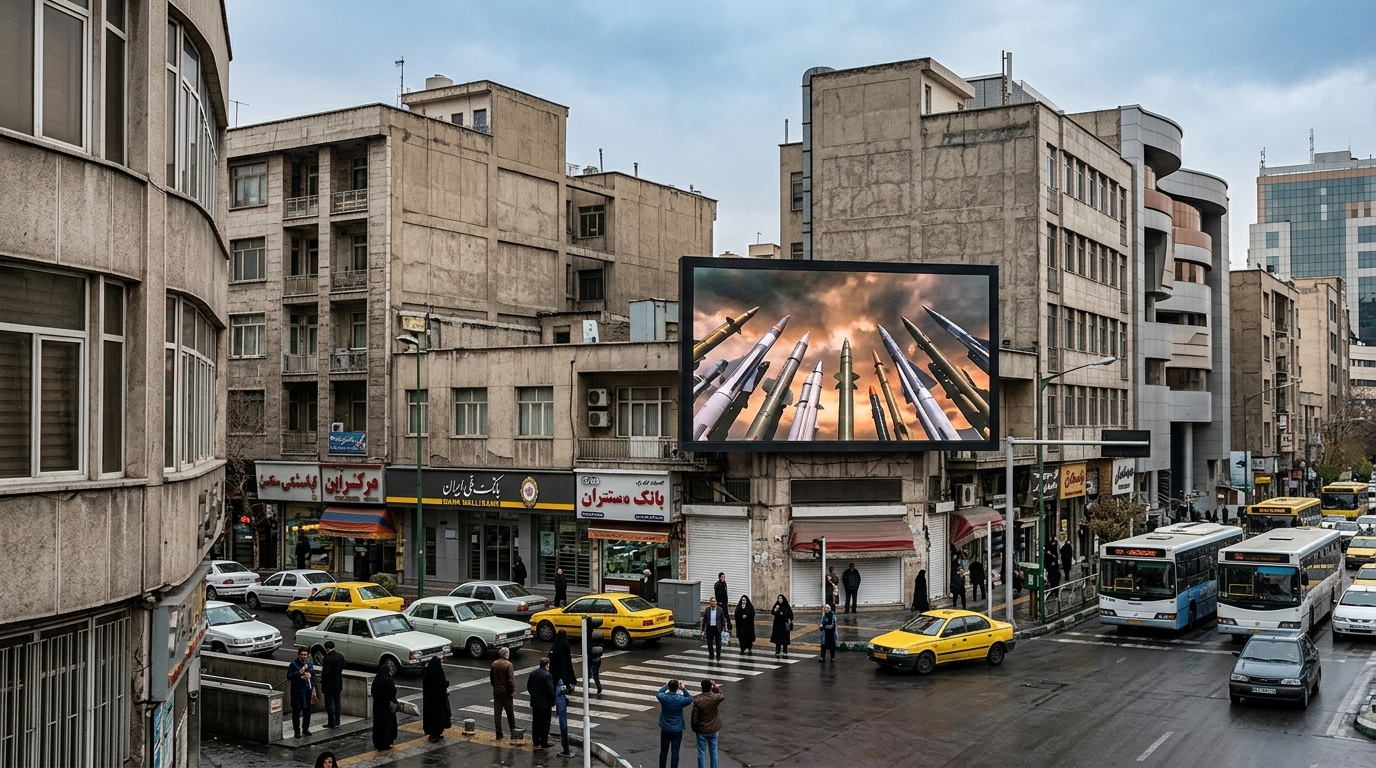
The geopolitical chessboard of the Middle East is once again trembling following statements by U.S. President Donald Trump, who, addressing members of Congress, sent a clear and ominous message to Tehran. His rhetoric, while familiar in tone, carries new weight in May 2026, a time when regional balances appear more fragile than ever. Trump promised a "very quick" end to the confrontation, while emphasizing that Washington would not hesitate to deliver "one more strong blow" if deemed necessary to thwart Iran's nuclear ambitions.
The Nuclear Red Line
The core argument of the American administration remains steadfast: Iran's acquisition of a nuclear weapon constitutes an existential threat not only to Israel but to global security at large. In his address, Trump made it clear that while diplomatic avenues are not entirely closed, they are narrowing dangerously. The "Maximum Pressure" approach seems to be evolving into a strategy of preemptive deterrence. Analysts point out that the reference to a "strong blow" is not merely a rhetorical flourish but a warning of targeted strikes against critical uranium enrichment infrastructure.
Tehran, for its part, continues to demonstrate resilience, utilizing its network of proxies in Lebanon, Yemen, and Iraq to exert pressure on American interests. However, the economic bleeding from sanctions and internal social unrest within Iran create a volatile mix that Trump appears ready to exploit. The belief that a war can be ended "quickly" is predicated on U.S. technological superiority, yet the history of the region teaches that swift victories often devolve into protracted quagmires.
The Doctrine of 'Decisive Might' and Regional Security
Trump's 2026 strategy focuses on restoring American deterrent power, which Republicans argue was eroded in previous years. The idea of a "surgical" yet crushing strike aims to force the Iranian leadership into a humiliating retreat without the need for a full-scale ground invasion. This doctrine, while appealing to a domestic U.S. audience weary of "forever wars," carries immense risks for the global economy and energy stability.
- A potential spike in oil prices should the Strait of Hormuz be closed.
- Escalation of conflict on the Israel-Lebanon border involving Hezbollah.
- An increase in retaliatory cyberattacks by Tehran against Western infrastructure.
For Europe and the Eastern Mediterranean, such an escalation would mean an immediate increase in migration flows and the need for heightened readiness at U.S. bases in the region, such as Souda Bay. International observers are closely monitoring the situation, balancing between allied obligations and the desperate need for regional stability.
The Day After: Diplomacy Under the Shadow of Arms
Despite the bellicose rhetoric, Trump always leaves a window open for a "grand bargain." His tactic is to bring the adversary to the brink, hoping that the fear of total destruction will lead to concessions that no previous administration managed to extract. The question remains: is Iran willing to sacrifice its nuclear program for the survival of the regime, or will it choose the "heroic" path of a generalized conflict?
"We do not seek war, but we will not allow Iran to hold the world hostage with nuclear weapons. If we must finish what others started, we will do it quickly and with a force they have never seen before," the President stated.
In conclusion, Trump's statement signals a shift toward a more aggressive realism. The international community watches with bated breath, knowing that in the Middle East, the distance between a "quick strike" and a global conflagration is often just a few seconds of decision-making in the Oval Office.