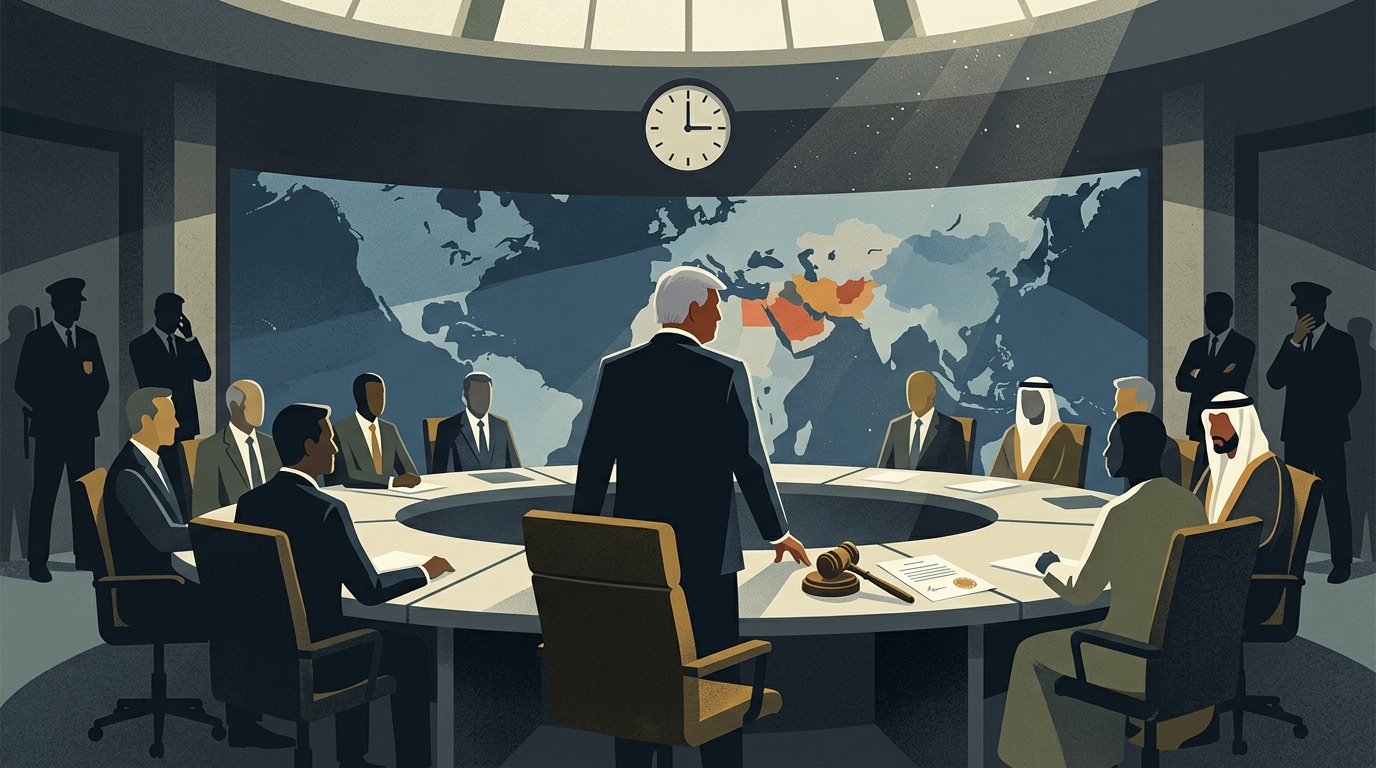
The atmosphere surrounding the White House's national security wing was electric on Friday afternoon. President Donald Trump, flanked by his top advisors, spent two hours in the Situation Room—the underground operations center where the most critical decisions regarding American power are forged. The subject? The "final decision" on Iran. However, the exit of officials from the meeting was accompanied by a silence unusual for the Trump administration. No posts on Truth Social, no "on-the-record" comments from the National Security Advisor, and no indication of whether Washington is leaning toward a diplomatic settlement or further escalation.
The Dilemma of 'Maximum Pressure 2.0'
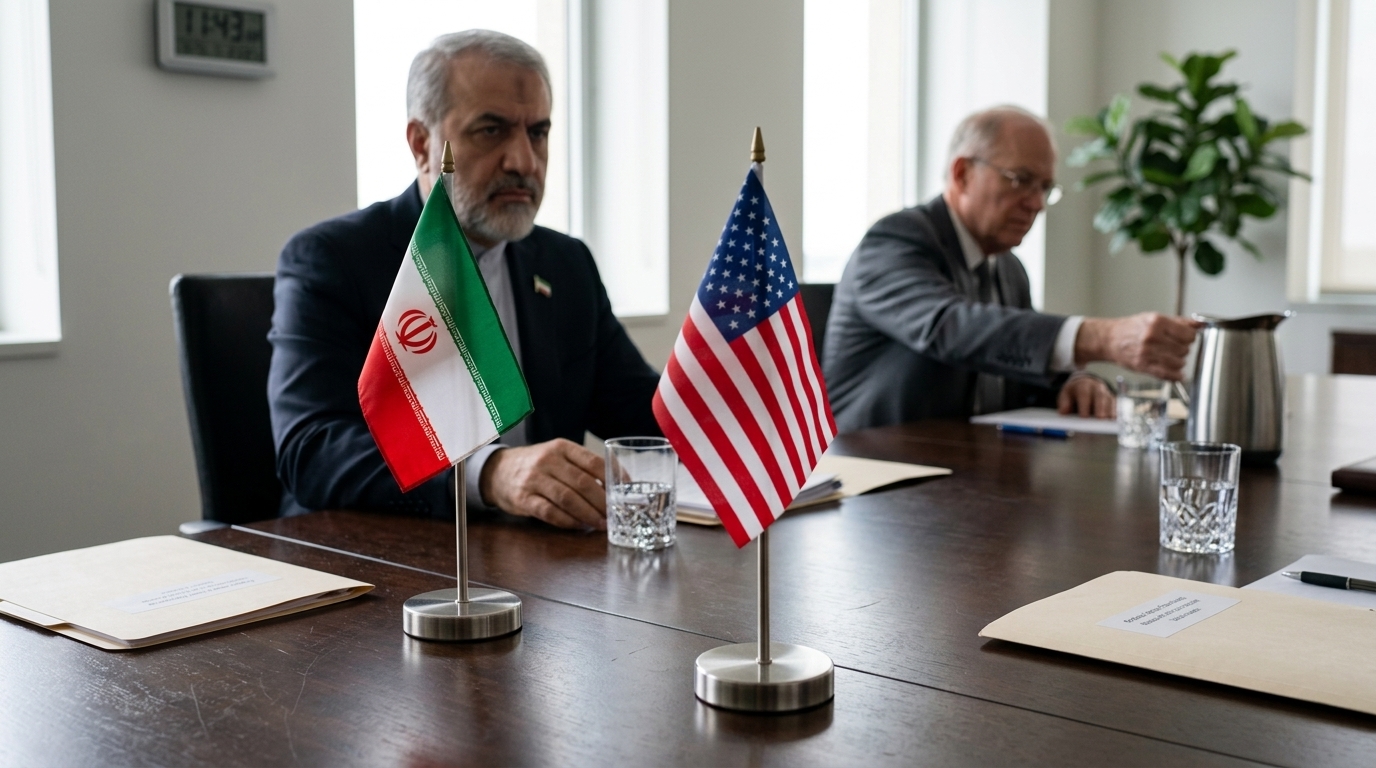
The current crisis comes at a time when Tehran appears to be at a critical crossroads. After years of sanctions that have brought the Iranian economy to its knees, reports suggest that secret communication channels have been active through Oman and Switzerland. Trump, who consistently markets himself as the ultimate dealmaker, seems to be seeking a pact that would surpass the 2015 JCPOA, which he famously denounced as "the worst deal in history." US demands remain high: a total end to the nuclear program, restrictions on ballistic missile development, and a cessation of support for regional proxies like Hezbollah and the Houthis.
However, within the administration, two distinct camps have emerged. On one hand, the "realists" argue that a quick deal would stabilize energy prices and allow the US to pivot more effectively toward its strategic competition with China. On the other, the "hawks"—many of whom maintain close ties with the Netanyahu government in Israel—believe that any easing of sanctions would be a lifeline to a regime on the brink of collapse. The postponement of the decision suggests that these two factions have yet to find common ground.
The Shadow of Israel and Regional Balancing
The role of Tel Aviv in this equation cannot be ignored. According to diplomatic sources, Benjamin Netanyahu held a phone conversation with Trump just hours before the Situation Room meeting. Israel has made it clear that it will not accept any deal that does not guarantee the complete dismantling of Iran's nuclear infrastructure. The White House's silence may stem from the need for further consultations with regional allies, including Saudi Arabia, which is currently pursuing a more cautious approach, seeking a balance between deterrence and de-escalation.
"The postponement is not necessarily a sign of weakness, but perhaps the last breath before a historic announcement—whether it concerns peace or a final rupture," says an analyst from the Brookings Institution.
This uncertainty directly impacts international markets. Although the meeting was not strictly about economic issues, Brent crude prices showed increased volatility as traders attempted to price in the outcome of a potential deal that would return Iranian crude to the markets or, conversely, a new round of sanctions that would further restrict global supply.
What Lies Ahead: The June Window
Analysts estimate that President Trump will not keep his cards hidden for long. With the 2026 political landscape taking shape, a major foreign policy success would be the ideal narrative. Tehran, for its part, is facing internal pressures and social unrest, making the need for economic relief imperative. The question remains: Is Supreme Leader Ali Khamenei ready to drink from the "poisoned chalice" of a deal with Trump, or will he choose the path of resistance to the end?
The coming week is considered critical. If no announcement is made by Tuesday, the chances of a diplomatic breakthrough diminish, and the scenario of maintaining the status quo—with all its inherent risks—becomes the most likely. The world is waiting to see if "The Donald" will sign a new treaty or give the green light for an even more aggressive posture in the region.