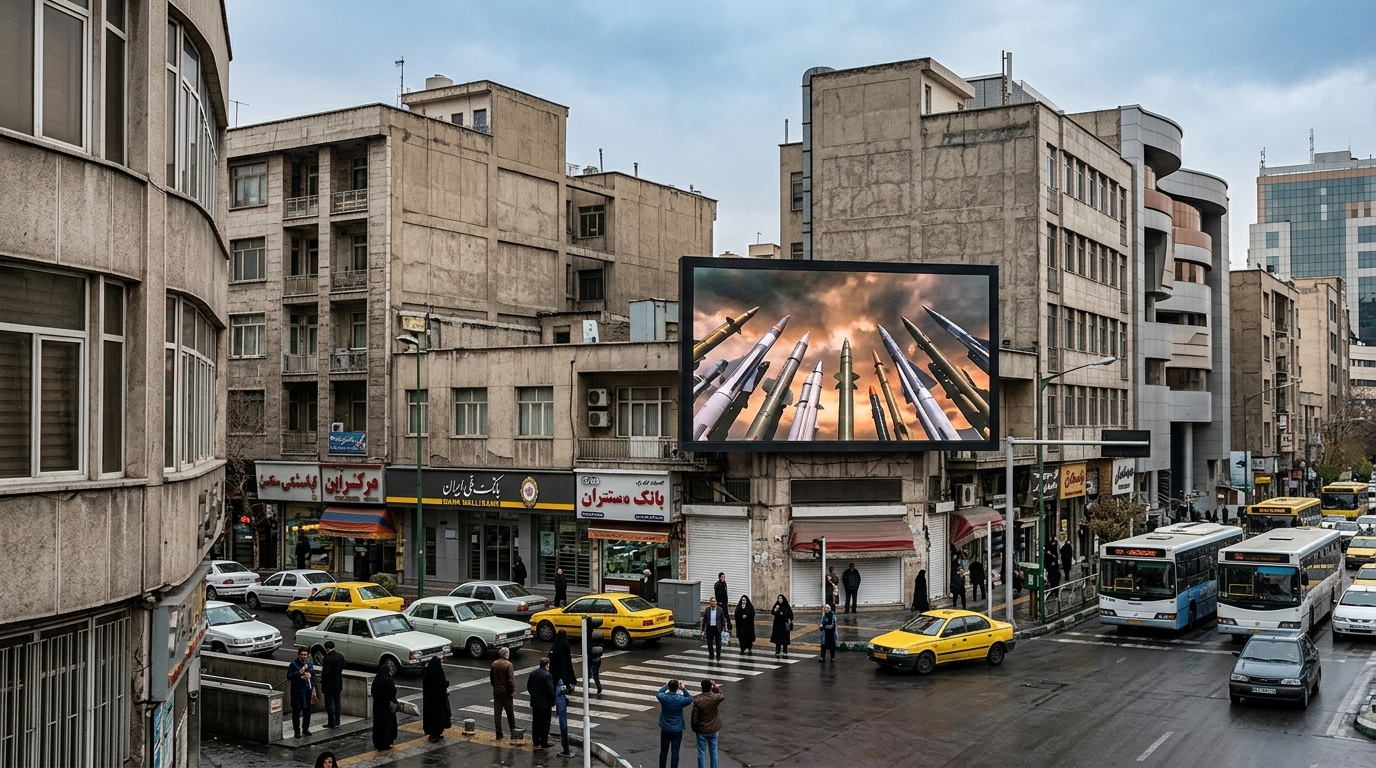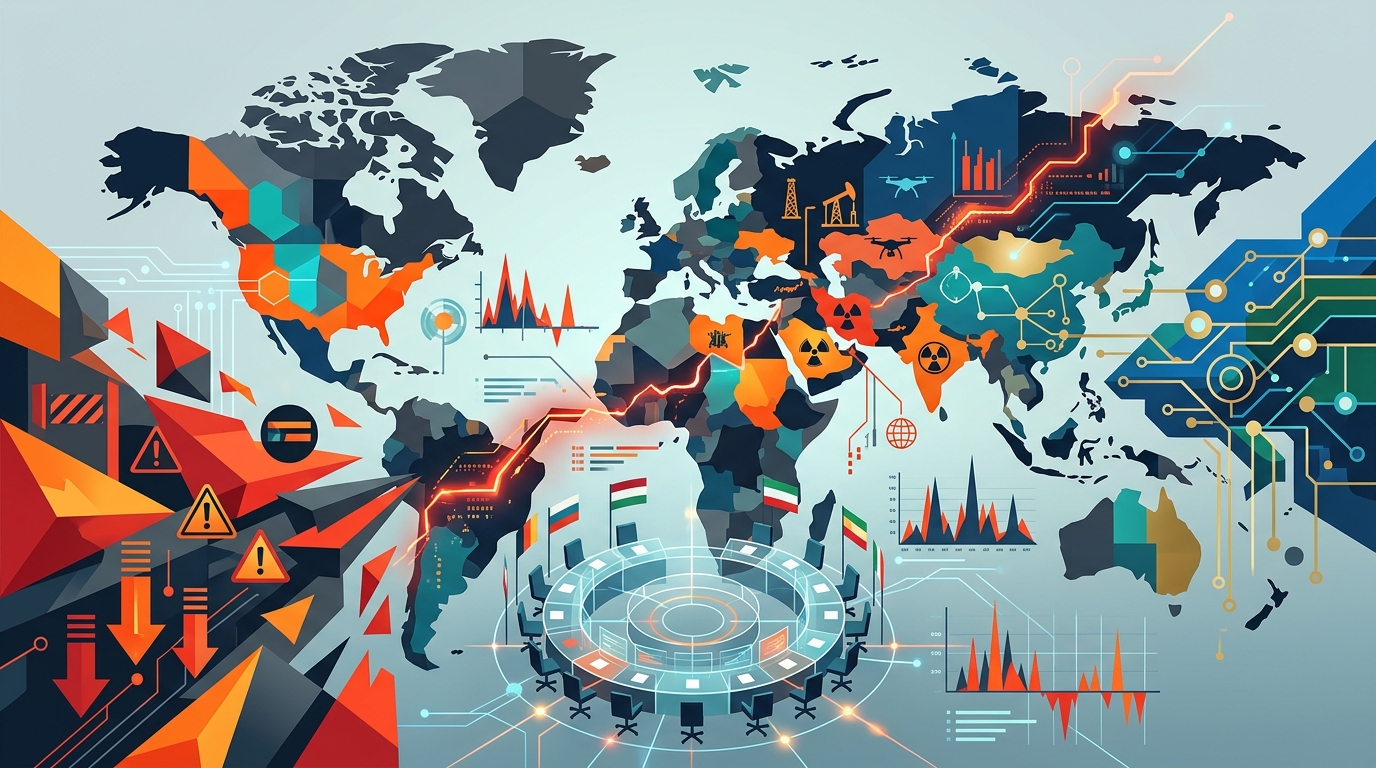
In a period where the global geopolitical chessboard resembles a minefield, US President Donald Trump’s assertion that it is “highly unlikely” the ceasefire with Iran will be extended is more than just a diplomatic barb; it is a precursor to a potential storm. The ceasefire, which had provided a temporary reprieve for the volatile Middle East, is now on life support, with Washington demanding “total capitulation” and Tehran responding with defiant readiness.
The Maximum Pressure 2.0 Strategy
The White House’s current stance did not emerge from a vacuum. Since his reelection, Trump has returned with a reinforced version of his “maximum pressure” policy. His rhetoric, while often viewed as a negotiating tactic, appears this time to be rooted in a deeper conviction that Tehran utilized the ceasefire period to regroup and bolster its nuclear program through shadow networks. According to State Department sources, the US believes the terms of the previous agreement were systematically violated, particularly regarding the support of regional proxies.
“We are not going to allow Iran to play for time,” the President stated from the Oval Office. “The ceasefire was an opportunity for peace, which the leadership in Tehran chose to squander. Unless there is a radical change in posture within the next 48 hours, the sanctions to be imposed will make previous ones look like mere suggestions.”
Economic Implications and the Shadow of Oil
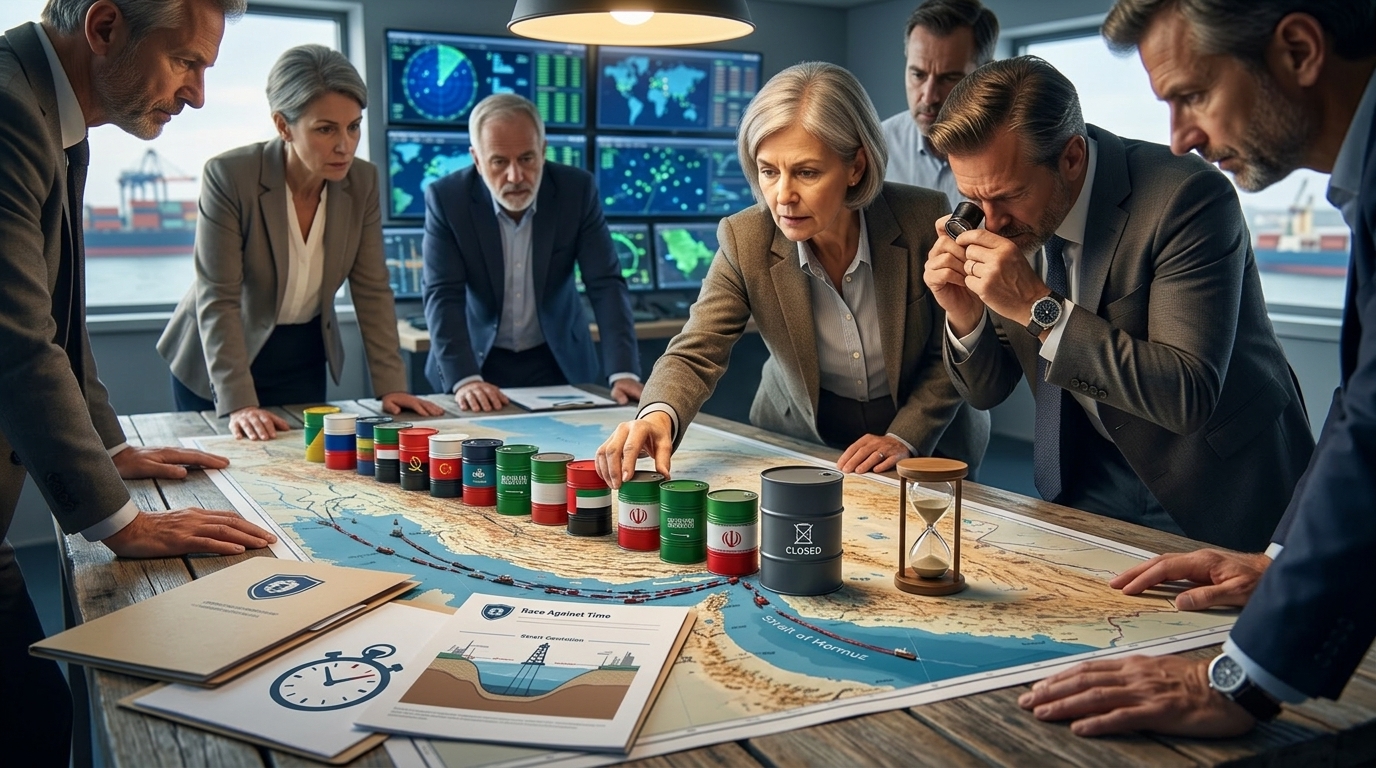
The immediate market reaction was predictable. Crude oil prices surged 4% within hours of the statement’s release, as investors fear the closure of the Strait of Hormuz or attacks on energy infrastructure in the Gulf. Europe, still struggling to balance its energy security after the turbulence of recent years, is watching with bated breath. Brussels has already issued a plea for restraint, fearing that a new conflict would trigger a fresh wave of inflation and refugee flows.
- Global surge in energy prices and market volatility.
- Increased risk to shipping routes in the Middle East.
- Heightened pressure on European markets due to instability.
The Technological Dimension of the Standoff
In the background of this diplomatic crisis lies a dimension often overlooked by the public: the use of Artificial Intelligence and cyber operations. Security analysts point out that an expiration of the ceasefire will not necessarily mean immediate kinetic military action but rather an escalation of digital warfare. Iran has developed significant capabilities in cyberattacks against critical infrastructure, while the US possesses AI-driven surveillance systems capable of predicting and neutralizing threats before they manifest.
“The war of 2026 is not fought solely with missiles, but with algorithms capable of paralyzing an entire economy without a single shot being fired,” notes Dr. Alexander Pappas, a geostrategy expert.
Conclusion: An Uncertain Future
Trump’s refusal to extend the ceasefire places the international community before a painful dilemma. On one hand, the perceived necessity to contain a regime viewed as destabilizing; on the other, the risk of an uncontrolled escalation that could drag the entire region into a total war. The coming days will be decisive, not only for Washington-Tehran relations but for the new global order being shaped amidst technological and political shifts.