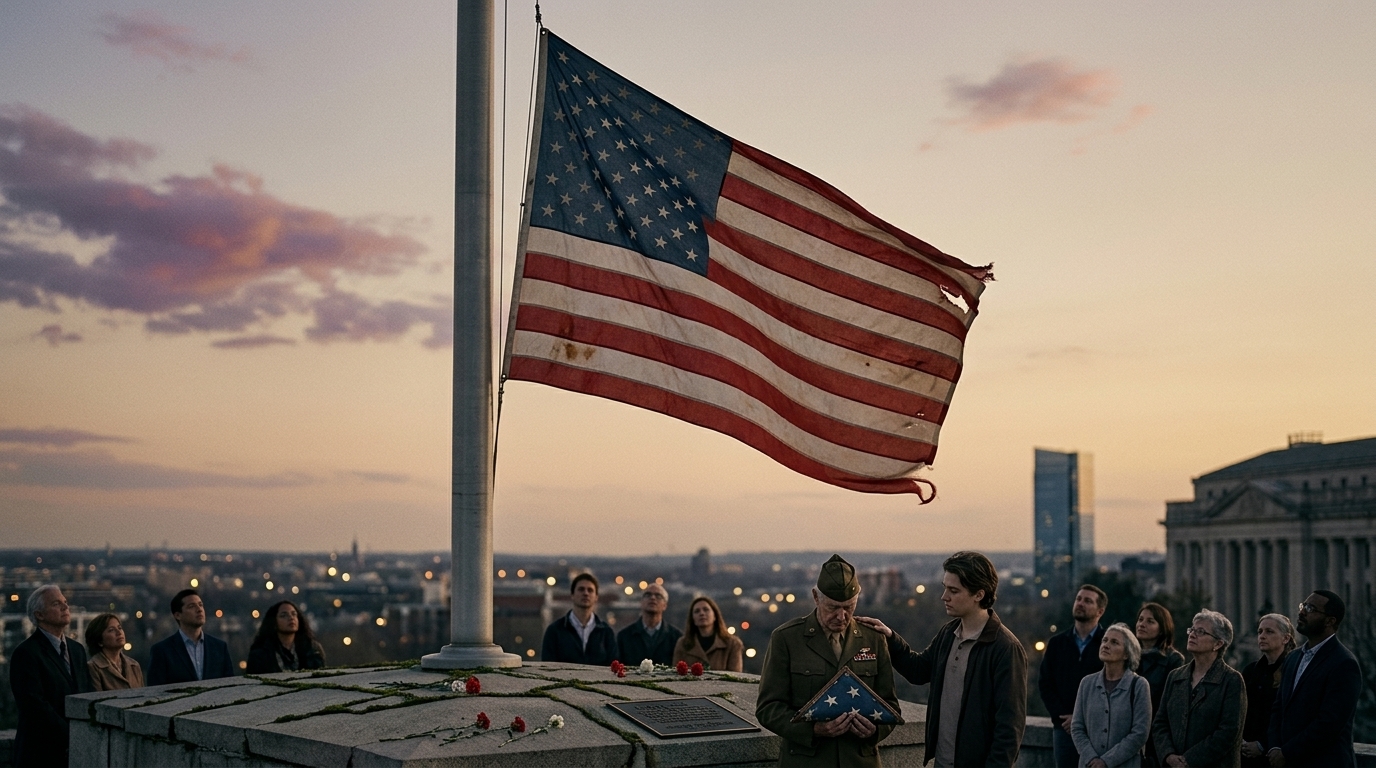
Today, July 4, 2026, the United States of America marks two and a half centuries of existence. In any other context, this Sestercentennial anniversary would be a moment of unalloyed triumph, a celebration of a democracy that has withstood the test of time. However, the atmosphere in Washington, New York, and Los Angeles is not what one might expect. There is a pervasive melancholy, a sense of awkwardness permeating the nation's social and political fabric, as the brilliance of the fireworks stands in stark contrast to the deep internal fractures.
The World Cup as a Soft Power Veil
The coincidence of the 250th-anniversary celebrations with the FIFA World Cup being hosted across North America provides a convenient, yet superficial, sense of unity. For the American leadership, the World Cup serves as the ultimate soft power tool, an opportunity to demonstrate to the world that America remains the global epicenter. Yet, behind the spectacular opening ceremonies and the packed stadiums, the reality is far more somber. The tournament feels more like a distraction from pressing domestic issues: persistent inflation, a housing crisis, and, above all, a political polarization that has rendered dialogue between opposing camps nearly impossible.
Analysts point out that the America of 2026 is a nation searching for its soul. The promise of the 'American Dream' now seems like a distant memory for Gen Z and Millennials, who are asked to celebrate a democracy they often feel does not represent them. The melancholy of this birthday stems precisely from this mismatch between a glorious past and an uncertain future. The festivities are grand, but the heart of the nation feels heavy with the weight of unresolved systemic contradictions.
Artificial Intelligence and the New Geopolitical Chessboard
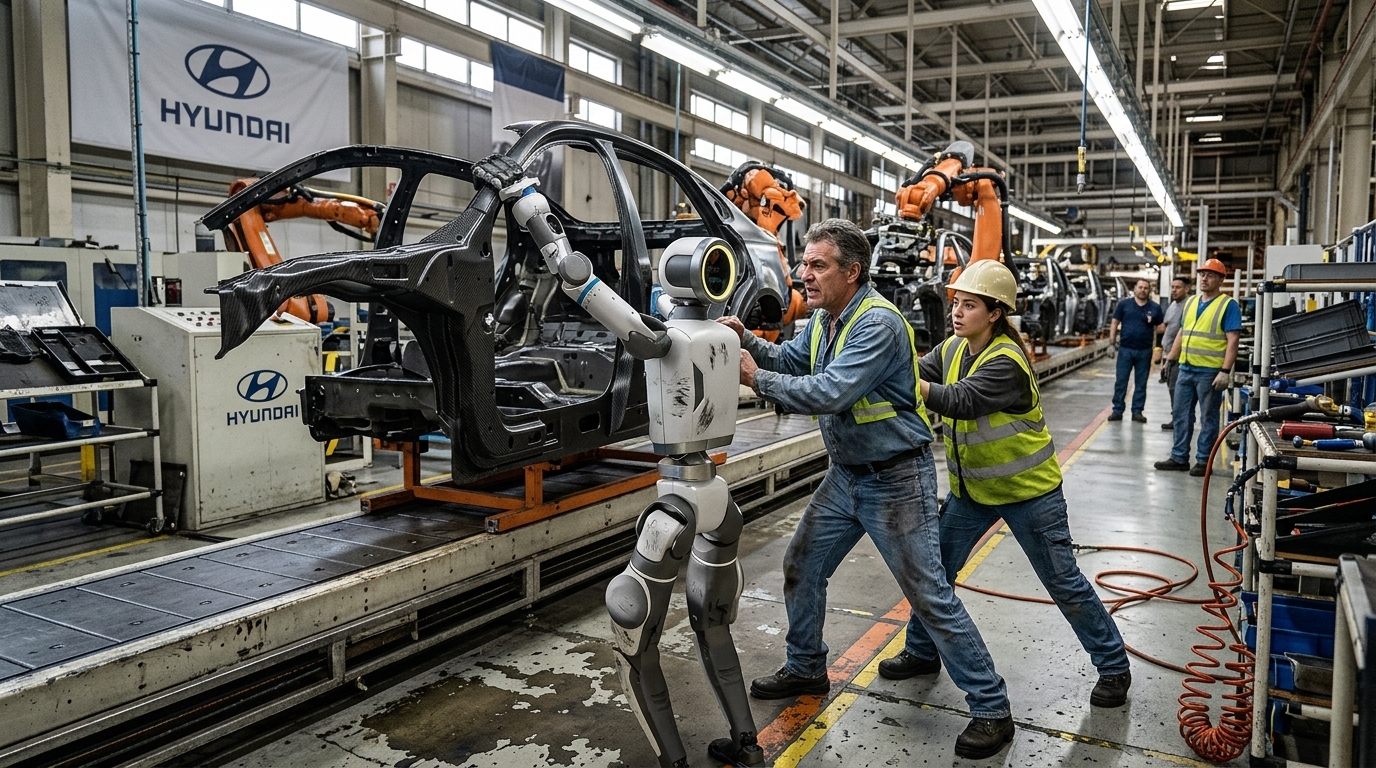
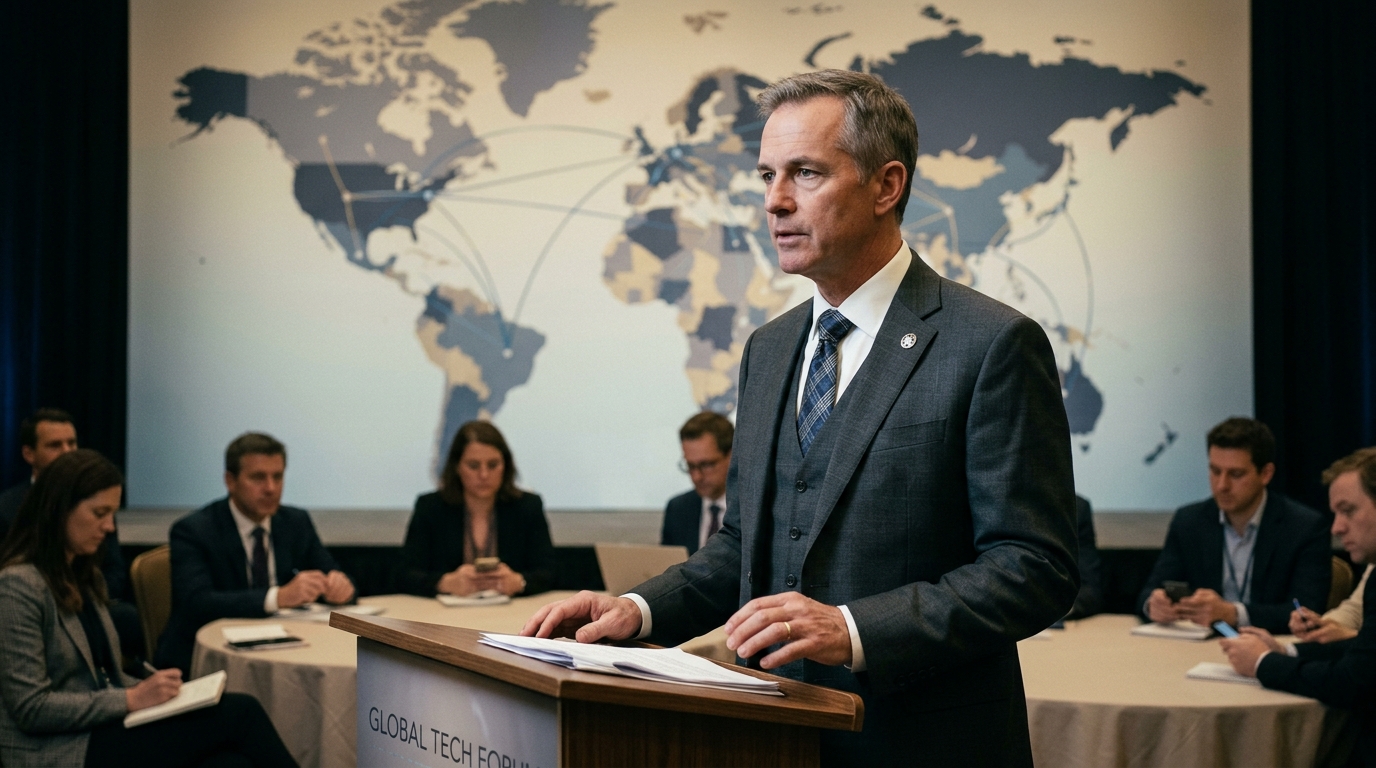
In the realm of technology, the US remains the undisputed superpower, but this dominance is accompanied by new anxieties. The explosion of Generative AI over the past few years has transformed the economy but has also exacerbated inequalities. While Silicon Valley reports record profits, automation threatens millions of jobs, creating a new class of 'digitally displaced' citizens. AI is no longer just a growth engine; it is a weapon in the escalating New Cold War with China, where the stakes are nothing less than global technological hegemony.
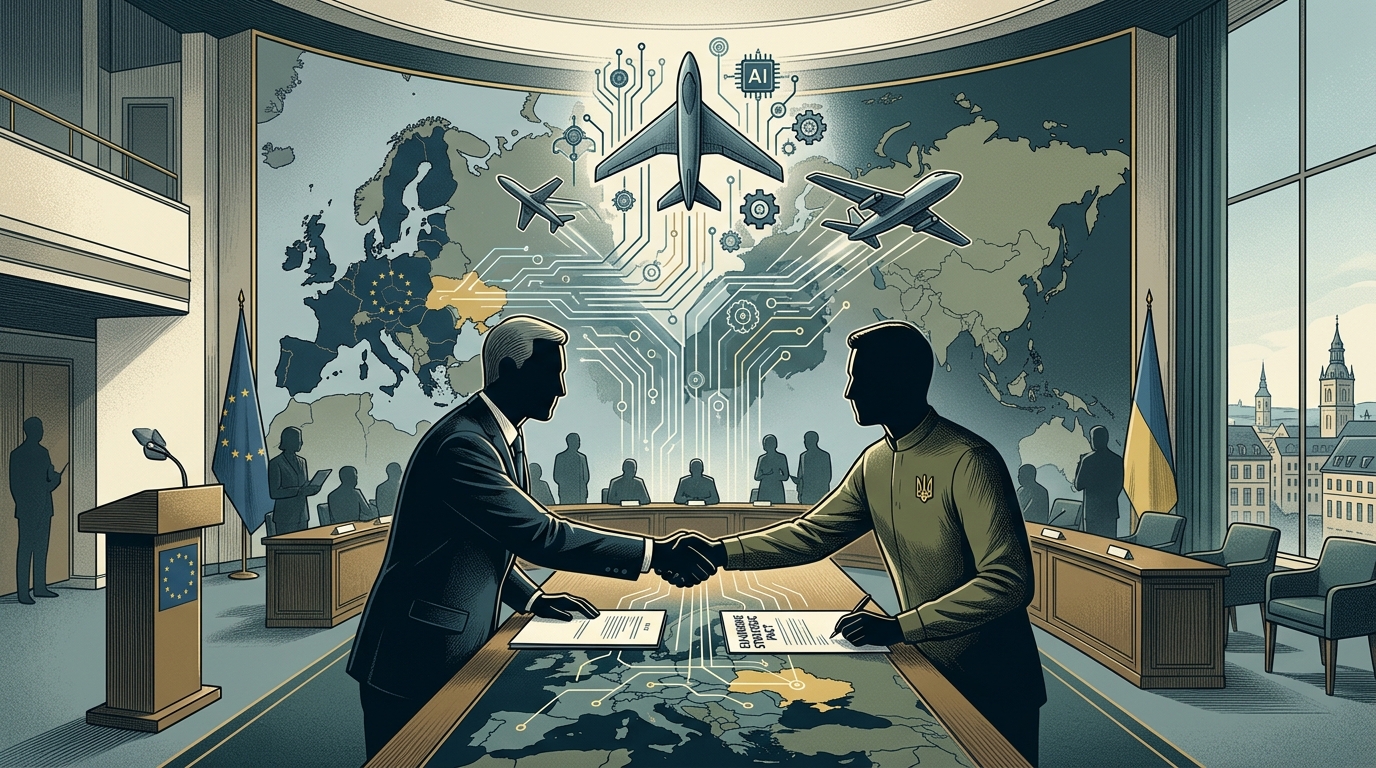
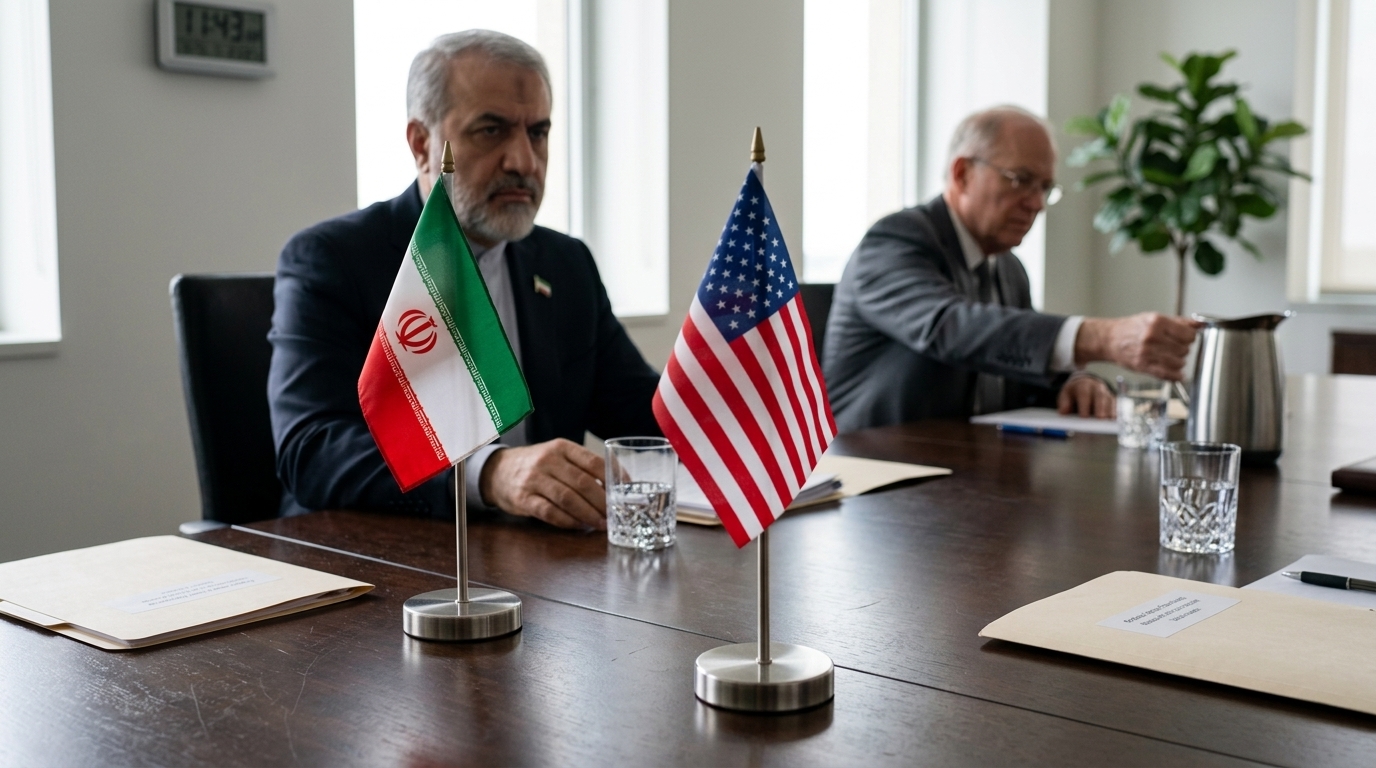
On the international stage, the image of the superpower is equally complex. The expansion of the BRICS+ bloc and the ongoing efforts toward the de-dollarization of the global economy have put Washington on the defensive. Despite its military superiority, US diplomatic influence is being tested on multiple fronts. Europe, while remaining a close ally, is increasingly pursuing 'strategic autonomy,' wary of the volatility within the American domestic political arena. These 250 years find the US questioning whether the 21st century will remain 'American' or if the baton has already begun to slip from its grasp.
A Democracy in Search of Meaning
The greatest challenge for America today is not its economy or its military, but its social cohesion. Institutions once deemed sacred—the Supreme Court, Congress, the free press—are under constant fire. Polarization is no longer merely political; it is cultural. Citizens live in different 'realities,' fed by algorithms that reinforce bias and resentment. The shared narrative that once bound the country together has frayed, leaving a vacuum often filled by populism and distrust.
- Trust in public institutions has plummeted to historic lows.
- The economic gap between coastal elites and 'Middle America' continues to widen.
- Climate change is causing more frequent disasters, testing the limits of national infrastructure.
Nevertheless, the American capacity for self-correction and reinvention should not be underestimated. US history is replete with moments where the country stood at the precipice, only to emerge stronger. The question looming over today's celebrations is whether this capacity remains vibrant or if the fatigue of 250 years has become permanent. The melancholy of July 4, 2026, might not signal the end of an era, but rather the painful birth of a new America—perhaps more humble, but potentially wiser.
"America is not a static idea; it is a continuous experiment. And every experiment has its moments of failure before reaching a solution."
As night falls and the World Cup stadium lights flicker, Americans look at their flag with mixed emotions. The superpower is aging, but its story is far from over. The next fifty years will determine whether the 250th anniversary was the peak of its influence or merely a difficult chapter in a much longer journey toward a 'more perfect union.'