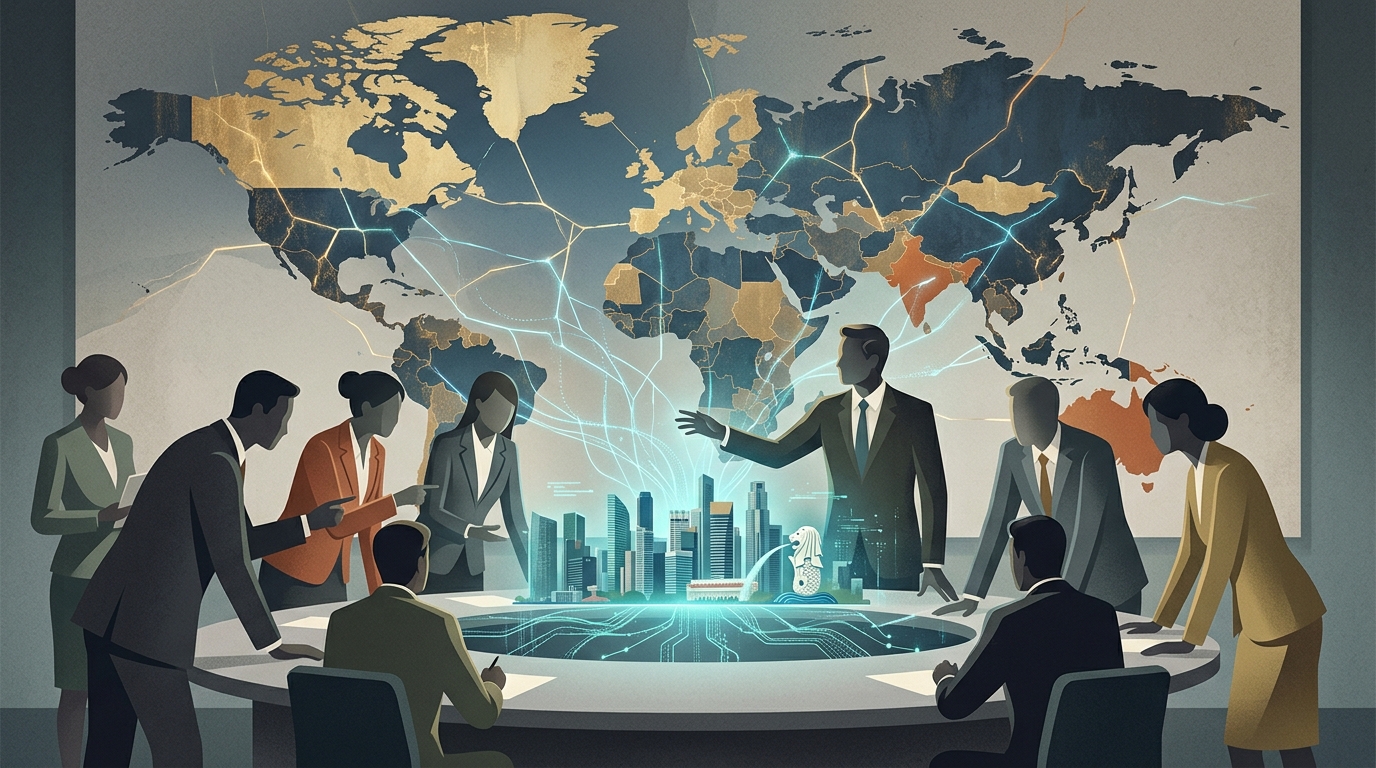
For decades, Singapore has been the gold standard of globalization. A tiny island nation with no natural resources, it transformed itself into a global economic titan by relying on the free flow of capital, goods, and data. However, as we move into 2026, this model is facing unprecedented strain. A recent Bloomberg Intelligence report highlights a sobering reality: Singapore’s growth is poised to moderate as its export-driven model is tested by geopolitical tensions and a fragmenting global trading system.
The Geopolitical Squeeze and the End of Neutrality
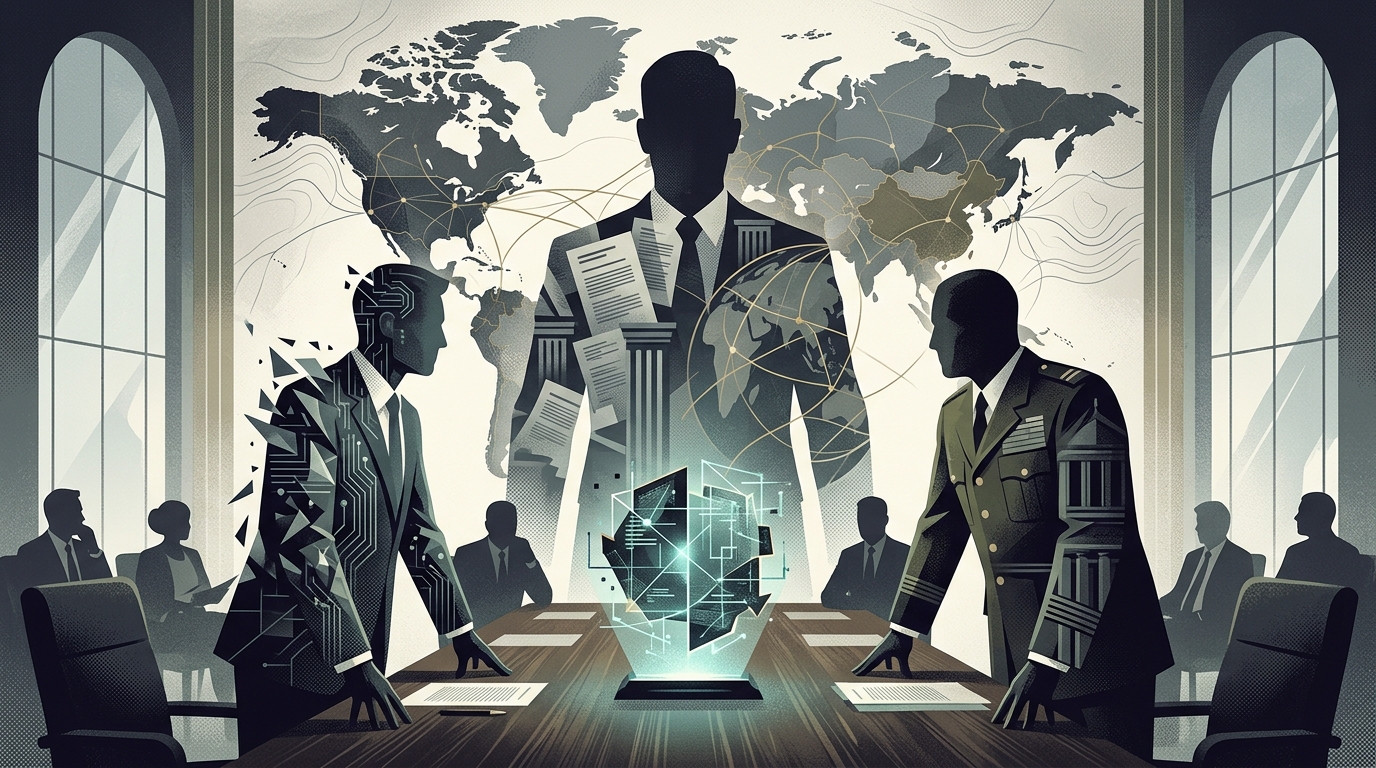
Singapore has traditionally maintained a policy of being "friends to all," masterfully balancing its relationships with both the United States and China. But the era where a nation could be Washington’s security partner and Beijing’s primary trading partner without consequence is fading. The rising tide of global protectionism, manifested through tariffs and technology export controls, strikes at the very heart of the Singaporean economy. The city-state is no longer just a port; it is a node in a supply chain that is increasingly breaking into regional blocs.
According to analysts, the risk is not merely economic but existential. Singapore’s survival depends on open seas and free airspace. If the world retreats into spheres of influence, Singapore risks finding itself in a "dead zone." We are already seeing a shift in investment toward countries with larger domestic markets, as multinationals prioritize resilience and security over pure efficiency.
AI as a Lifeboat: Smart Nation 2.0
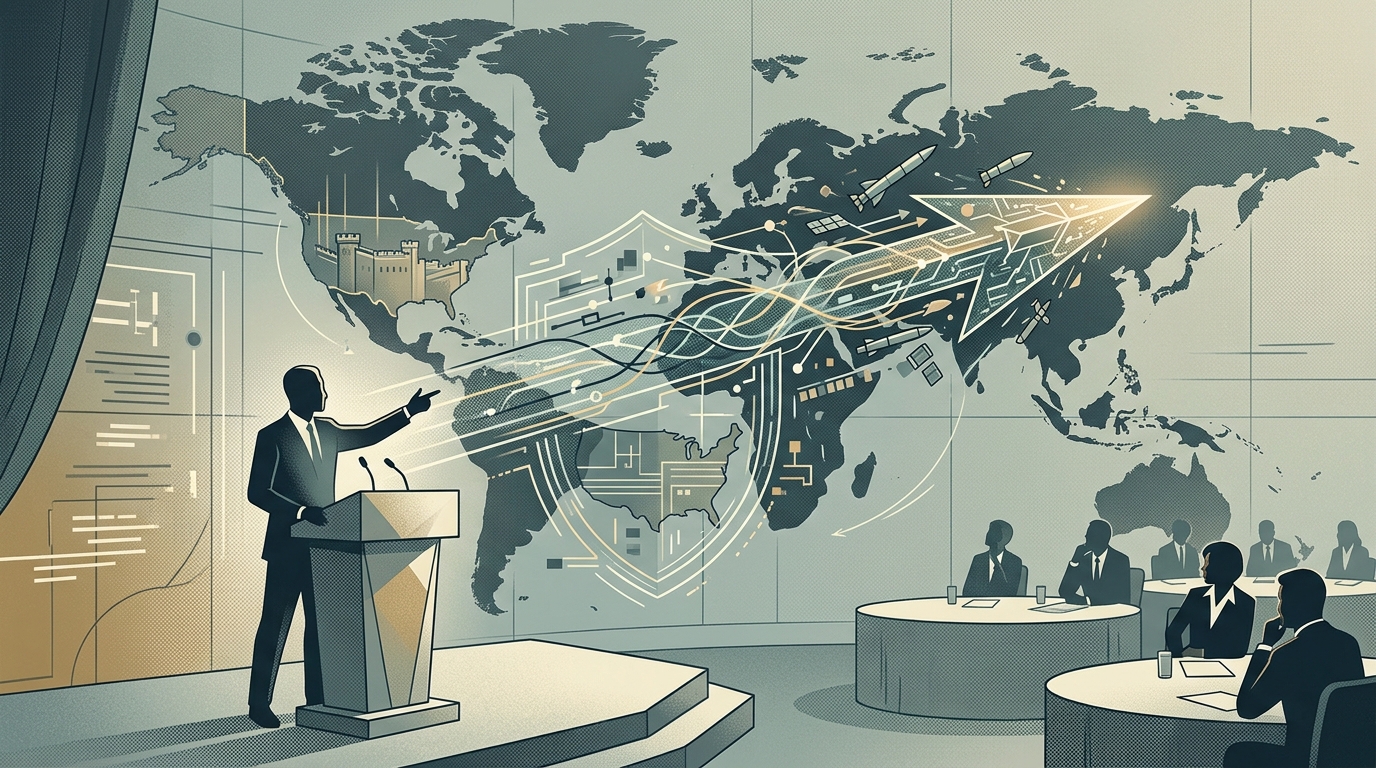
In the face of these challenges, the Singaporean government is not standing still. The "Smart Nation 2.0" strategy represents the country’s answer to global fragmentation. By investing billions into Artificial Intelligence (AI) and quantum computing, Singapore aims to become Asia’s "digital fortress." The logic is straightforward: if physical trade is restricted, the trade of data and algorithms must flourish.
- Investment in sovereign LLMs (Large Language Models) tailored for Southeast Asian languages and cultural contexts.
- Full-scale AI automation of port operations to slash costs and maximize throughput efficiency.
- Developing a world-class AI regulatory framework that attracts global tech giants seeking a stable, neutral jurisdiction.
AI's role extends beyond the economy. Singapore is leveraging technology to combat its demographic decline. With one of the fastest-aging populations in the world, automation is no longer a luxury—it is a survival necessity. AI is being deployed in elderly care, traffic management, and urban security, allowing a shrinking workforce to focus on high-value cognitive tasks.
The Middle East Pivot: A New Strategic Alliance
A fascinating dimension of Singapore’s new strategy is its pivot toward the Middle East. As Western markets become more insular, Singapore identifies massive opportunities in Gulf states like the UAE and Saudi Arabia. These nations, seeking to diversify away from oil, view Singapore as a blueprint for success.
"Singapore is no longer just a bridge between East and West, but a central hub in a new axis connecting Asia to the Arab world," the Bloomberg report suggests.
This collaboration spans from financial services to green energy. Singapore is exporting its "smart city" expertise to projects in Riyadh and Dubai, while simultaneously securing capital inflows from Middle Eastern sovereign wealth funds. This diversification is critical for economic resilience, providing a hedge against a potential breakdown in US-China relations.
Conclusion: Resilience Through Radical Adaptation
Singapore’s future depends on its ability to remain indispensable in a world that no longer wishes to be united. The challenge is monumental, as global fragmentation threatens the very foundations of its prosperity. However, history has shown that Singapore thrives under pressure. With AI as its primary growth engine and new alliances in the Middle East, the Lion City is attempting to redefine itself for the 21st century. If it succeeds, it will serve as the definitive model for any small nation attempting to navigate the new, less globalized era.