In a move that signals the complete integration of commercial technology into national security, the United States Department of Defense has finalized agreements with seven leading tech companies to deploy their artificial intelligence models on classified networks. The news, broken by The Washington Post, reveals the depth of the burgeoning alliance between the Pentagon and Silicon Valley as the U.S. seeks to maintain its technological edge over global rivals, most notably China.
The 'Magnificent Seven' of Defense AI
The seven companies—reportedly including OpenAI, Google, Microsoft, Amazon, and Anthropic, among others—will provide access to their Large Language Models (LLMs) through secure, air-gapped environments. This means the same generative AI tools used by the public to write emails or analyze spreadsheets will now be operational within the nation’s most secretive networks, processing data related to military operations, intelligence gathering, and strategic planning.
This shift is more than a simple procurement deal; it represents a fundamental pivot in American military doctrine. For decades, the Pentagon relied on bespoke systems developed by traditional defense contractors like Lockheed Martin or Northrop Grumman. Today, the Department of Defense acknowledges that the pace of AI innovation in the private sector far outstrips government capabilities. By bringing these commercial tools into classified spaces, intelligence analysts can now parse massive datasets in seconds, identifying patterns that would be invisible to the human eye.
From 'Don't Be Evil' to the Battlefield
This development follows years of internal friction within tech companies. It is a stark contrast to the 2018 employee protests at Google over Project Maven, which led the company to temporarily distance itself from military contracts. However, the geopolitical landscape of 2026 has shifted dramatically. The rise of China’s "intelligentized warfare" and the immediate tactical lessons from the conflicts in Ukraine and the Middle East have eroded much of the ethical resistance in corporate boardrooms.
The current deals include rigorous security protocols. The Pentagon requires these models to run locally, without transmitting data back to the companies' central servers, ensuring that state secrets remain within the secure perimeter. Furthermore, while the companies have committed to "responsible AI" principles, those definitions are increasingly tested by the operational demands of high-stakes military environments where speed and lethality are the primary metrics of success.
Geopolitical Stakes and Algorithmic Warfare
At the heart of this decision is the necessity for speed. In modern conflict, the "sensor-to-shooter" cycle—the time it takes to identify a target and make a decision—must be as short as possible. AI can automate satellite imagery analysis, intercept communications, and predict adversary movements with unprecedented precision.
- Real-time automated intelligence synthesis.
- Logistical optimization in contested environments.
- War-gaming simulations with millions of variables.
- Cyber-defense and threat detection at wire speed.
However, relying on a small oligarchy of tech firms introduces new vulnerabilities. If an AI model suffers from "hallucinations" during a nuclear standoff or a localized skirmish, the consequences could be catastrophic. While the Pentagon maintains that a human will always be "in the loop," the sheer velocity of AI-driven combat may eventually render human oversight a mere formality, a rubber stamp on a machine-made decision.
Conclusion: The New Architecture of Power
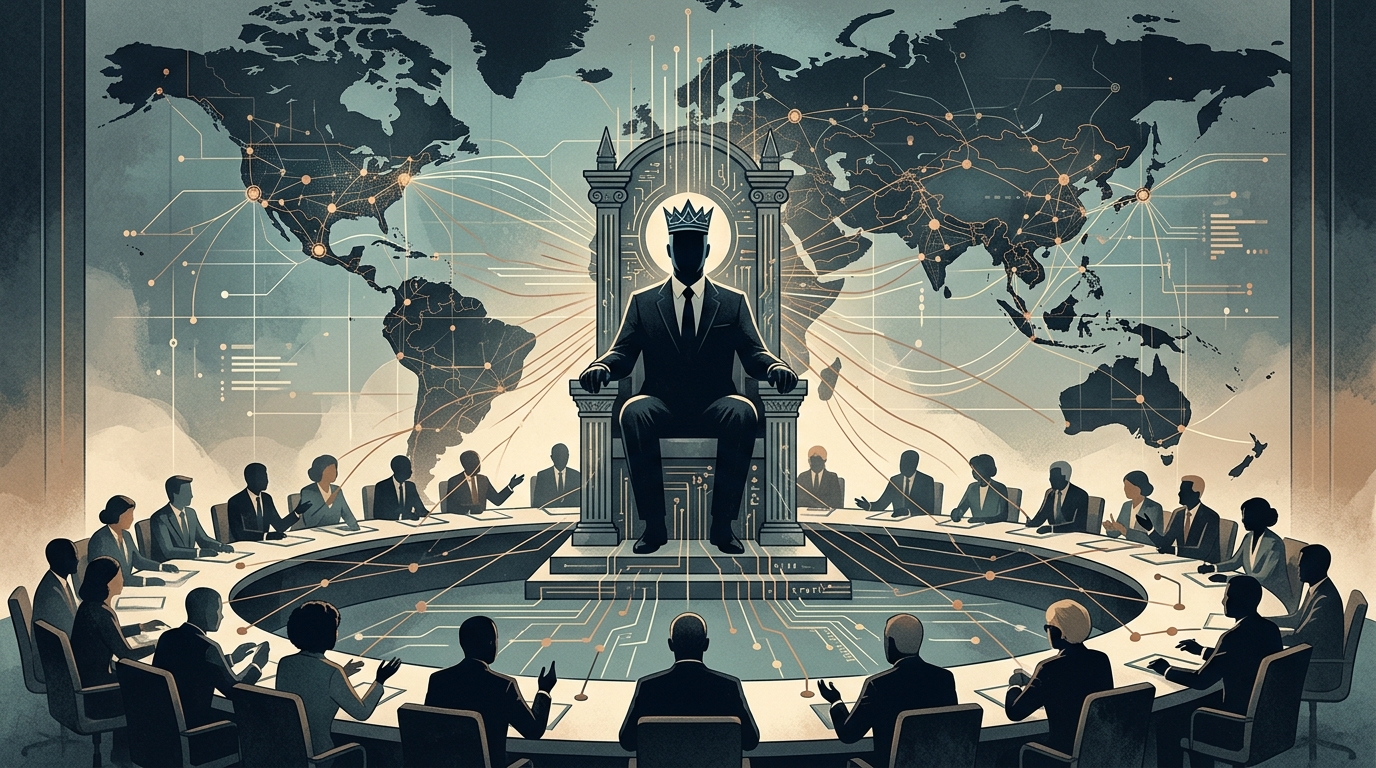
The signing of these contracts marks the end of Silicon Valley’s era of perceived neutrality. Companies that began in garages with visions of global connectivity are now cogs in the machinery of superpower competition. As AI becomes the ultimate weapon of the 21st century, the distinction between software code and kinetic munitions is blurring. The question is no longer whether AI will be used in warfare, but rather which side will possess the superior algorithm when diplomacy fails. The military-industrial complex has evolved into a military-industrial-tech complex, and there is no turning back.