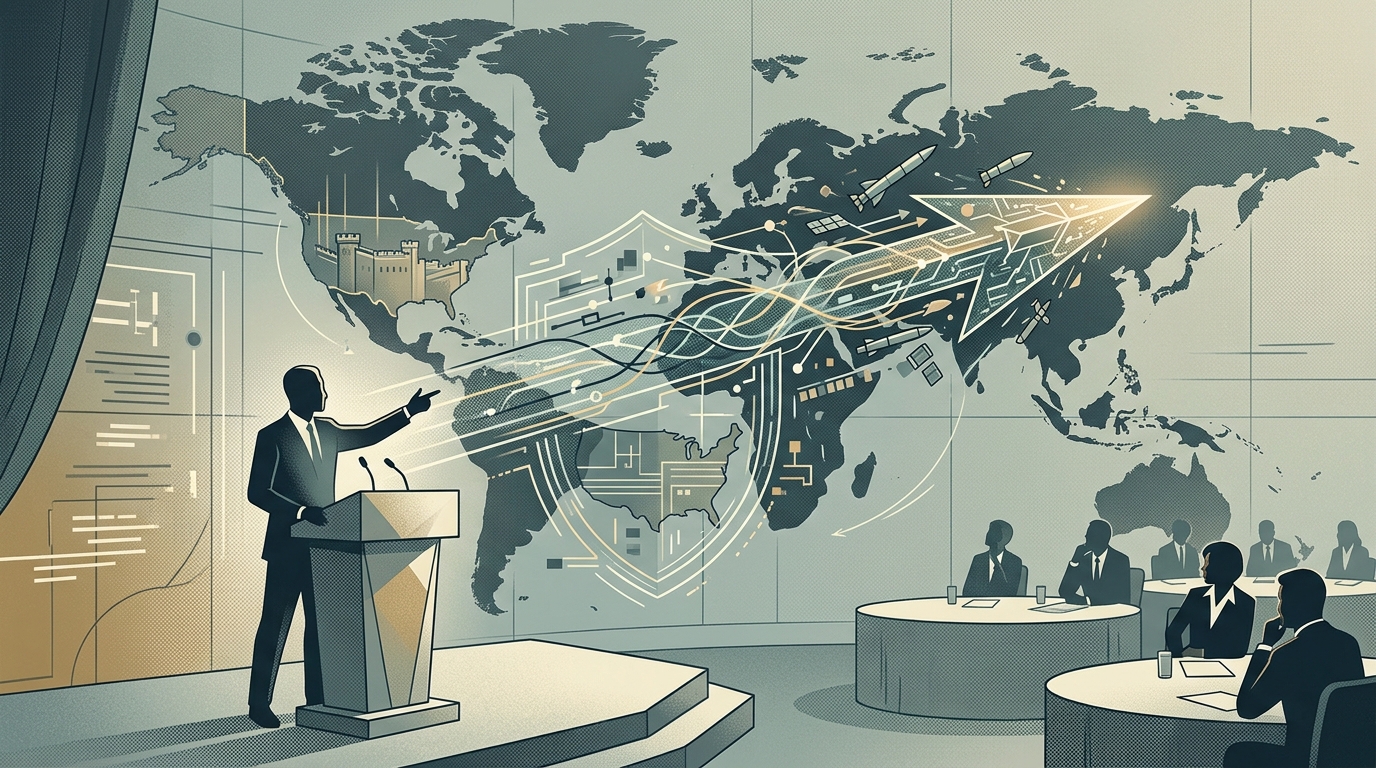
In the corridors of the Pentagon, the discussion about Artificial Intelligence (AI) is no longer about the future, but about the immediate present. The "Replicator" initiative, which aims to deploy thousands of cheap, autonomous systems within the next two years, is the sharp edge of a spear that promises to radically change the nature of conflict. However, beneath the official line of technological optimism, a group of seasoned military leaders is beginning to voice serious reservations. Their concern stems not from technophobia, but from a deep understanding of the "fog of war"—a state that AI may exacerbate rather than resolve.
Machine Speed and the Commander’s Dilemma
The primary argument for AI on the battlefield is speed. In modern military theory, the concept of the "OODA loop" (Observe, Orient, Decide, Act) is decisive. Whoever completes this cycle faster wins. AI promises to compress this time into milliseconds, allowing drone swarms to react to threats before a human can even perceive them. But herein lies the greatest danger: the loss of human judgment at critical moments.
Senior officers point out that AI, despite its computational power, remains a system based on statistical probabilities rather than ethics or strategic empathy. In a scenario where two opposing AIs interact, there is a risk of "flash escalation," where algorithms drive the conflict to levels of violence that no political or military leader desired, simply because that is what data optimization dictated.
Lessons from Ukraine and Gaza
Theory has already given way to practice. On the fronts of Ukraine, the use of AI for satellite image analysis and target identification has become commonplace. In Gaza, reports of systems like "Lavender" show how AI can be used to generate target lists with minimal human intervention. These examples serve as "laboratories" for the Pentagon, but also as a source of concern for generals who see the responsibility of taking a life shifting from humans to code.
- Reliance on "black box" algorithms makes it difficult to assign accountability for war crimes.
- The possibility of AI "hallucinations" could lead to attacks on civilians or friendly forces.
- The cybersecurity of AI systems remains an Achilles' heel, as data poisoning can mislead the system.
The Geopolitical Chessboard and the Ethics of Power
The pressure for rapid AI adoption stems largely from competition with China. Beijing has invested billions in "intelligentized warfare," and Washington fears that any delay for ethical reasons would amount to unilateral disarmament. Nevertheless, the "cautious approach" called for by some military leaders is not about stopping the technology, but about ensuring that humans remain "in-the-loop."
"Technology must be the servant of strategy, not its driver," notes a retired Marine general. "If we let algorithms determine the pace of war, then we have already lost control of our destiny."
In conclusion, the Pentagon is in a delicate balance. On one hand, the need for technological superiority is imperative. On the other, the need to maintain human judgment and moral responsibility is the only shield against a war that could spiral out of control. The battle for the future of AI in the military is being fought not only in Silicon Valley labs but also in the consciences of those who will be called to press the button.