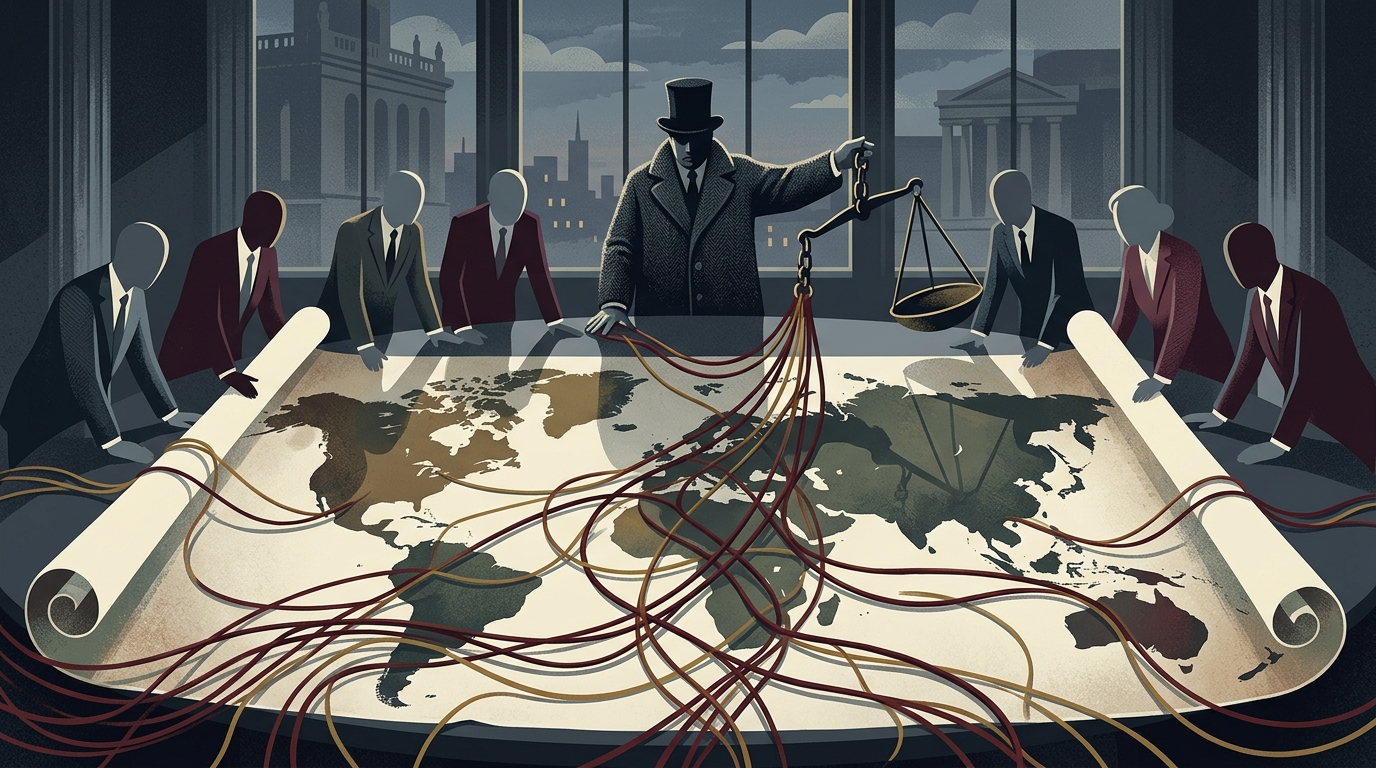
The traditional image of the military-industrial complex, once dominated by manufacturers of tanks and fighter jets, is rapidly transforming. In a move that marks the most significant shift in U.S. defense strategy since the Cold War, the Pentagon has begun entering into extensive and often classified agreements with leading Artificial Intelligence (AI) companies. These partnerships, recently highlighted by reports from The New York Times, aim to integrate advanced large language models and machine learning algorithms into the core of national security operations.
The Shift in Power: From Hardware to Software
For decades, U.S. defense relied on physical superiority. Today, that superiority is determined by data. The U.S. Department of Defense (DoD) recognizes that the speed at which AI can analyze satellite imagery, intercept communications, and predict enemy movements far exceeds human capabilities. Companies like OpenAI, Anthropic, Google, and Microsoft—which once kept their distance from military projects due to internal employee backlash—are now at the forefront of these efforts.
This shift is not only technological but also cultural. OpenAI, for instance, recently modified its terms of service, removing the explicit ban on using its technology for "military and warfare" purposes, paving the way for collaboration with DARPA and other agencies. The logic is straightforward: if Silicon Valley does not assist the Pentagon, China will leverage its own tech industry to gain the upper hand in "algorithmic superiority."
The Replicator Program and Autonomous Defense
At the heart of this new strategy is the "Replicator" program, an initiative aimed at deploying thousands of low-cost, autonomous systems—drones and robots—powered by AI. The new deals allow these companies to work within "classified clouds," where data is isolated from the public internet for security reasons. In these environments, AI is trained on real-world combat scenarios, strategic analysis, and logistics.
Critics, however, warn of the risks. Using AI at a classified level means less transparency. When an algorithm makes decisions that affect human lives on the battlefield, the lack of accountability becomes a major ethical concern. The Pentagon maintains that there is always a "human-in-the-loop," but the sheer speed of modern conflict makes this promise increasingly difficult to keep in practice.
The Geopolitical Chessboard and the Race Against China
The driving force behind these deals is the fear of China's technological ascent. Beijing has made it clear that it intends to become the global leader in AI by 2030, integrating the technology directly into the People's Liberation Army. For Washington, partnering with the private sector is not an option but a survival necessity. Traditional defense contractors, such as Lockheed Martin, struggle to keep pace with Silicon Valley's rate of innovation, forcing the Pentagon to bypass traditional bureaucratic procurement processes.
In conclusion, the entry of AI companies into the classified military ecosystem creates a new paradigm of power. The technology we use to write emails or generate images is being forged into the most powerful weapon of the 21st century. The challenge for democracy will be maintaining control over these "black boxes" of intelligence before the automation of warfare becomes irreversible.