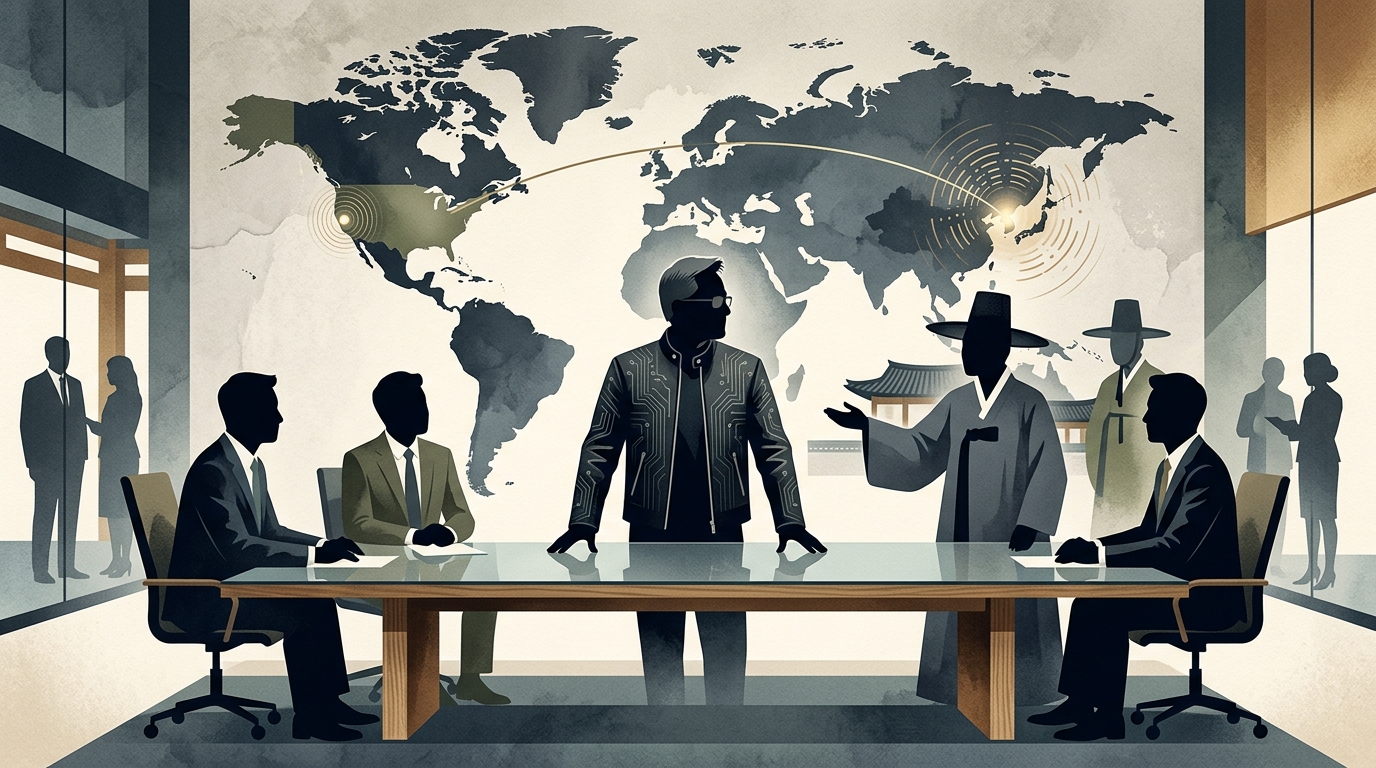
The history of warfare is standing at a critical crossroads. As the U.S. Department of Defense (Pentagon) accelerates the integration of Artificial Intelligence (AI) into every facet of military power—from logistics to autonomous weapon systems—a growing chorus of military leaders and strategic analysts is expressing profound caution. At stake is not just battlefield efficiency, but the very nature of human accountability in conflict.
The Replicator Initiative and the New Digital Doctrine
Central to the Pentagon's push is the 'Replicator' initiative, which aims to deploy thousands of low-cost, attritable autonomous systems within the next two years. The goal is clear: to counter China's numerical superiority through technological innovation. However, this rush for 'speed above all' is sending shivers down the spines of those who have witnessed the horrors of war firsthand. Military leaders warn that AI is not just another tool, but a technology that can radically alter the escalation of a conflict before humans have a chance to react.
The concern centers on the fact that machine learning algorithms often operate as 'black boxes.' Even their creators cannot always explain why an AI arrived at a specific decision. In a high-pressure environment like the battlefield, this lack of interpretability can lead to tragic errors, friendly fire, or unpredictable strikes against civilians.
The Ethics of Autonomy and the Accountability Gap
One of the most thorny issues is the so-called 'accountability gap.' In traditional laws of war, the responsibility for an unlawful attack rests with the commander or soldier who made the decision. But when a decision is made by an algorithm processing data in milliseconds, who is held responsible? The Pentagon insists there will always be a 'human-in-the-loop,' but critics argue that with the speed at which operations evolve, the human role will be relegated to mere rubber-stamping.
- The loss of human intuition and moral judgment in critical moments.
- The risk of 'algorithmic escalation,' where two opposing AIs interact in ways that lead to unintended total war.
- The vulnerability of AI systems to cyberattacks and 'data poisoning.'
Retired General Mark Milley and others have emphasized that AI will introduce the 'most fundamental transformation in the history of warfare.' The fear is that if technology precedes doctrine and ethics, the consequences will be irreversible.
Geopolitical Competition: The Fear of Falling Behind
Despite these reservations, the pressure to adopt AI is fueled by the fear that China and Russia will not exercise the same restraint. Washington fears that if it does not lead the AI arms race, it will find itself at a strategic disadvantage. This creates a classic 'security dilemma': each side feels compelled to develop more autonomous systems because they fear the opponent is doing the same.
"We cannot afford to lose this race, but we also cannot afford to lose our humanity along the way," says a senior Navy official speaking on condition of anonymity.
In conclusion, the integration of AI into the military is no longer a science fiction scenario but an imminent reality. The challenge for the Pentagon and the international community is to create robust safeguards ensuring that technology remains a servant of human will, rather than the uncontrolled master of the battlefield.