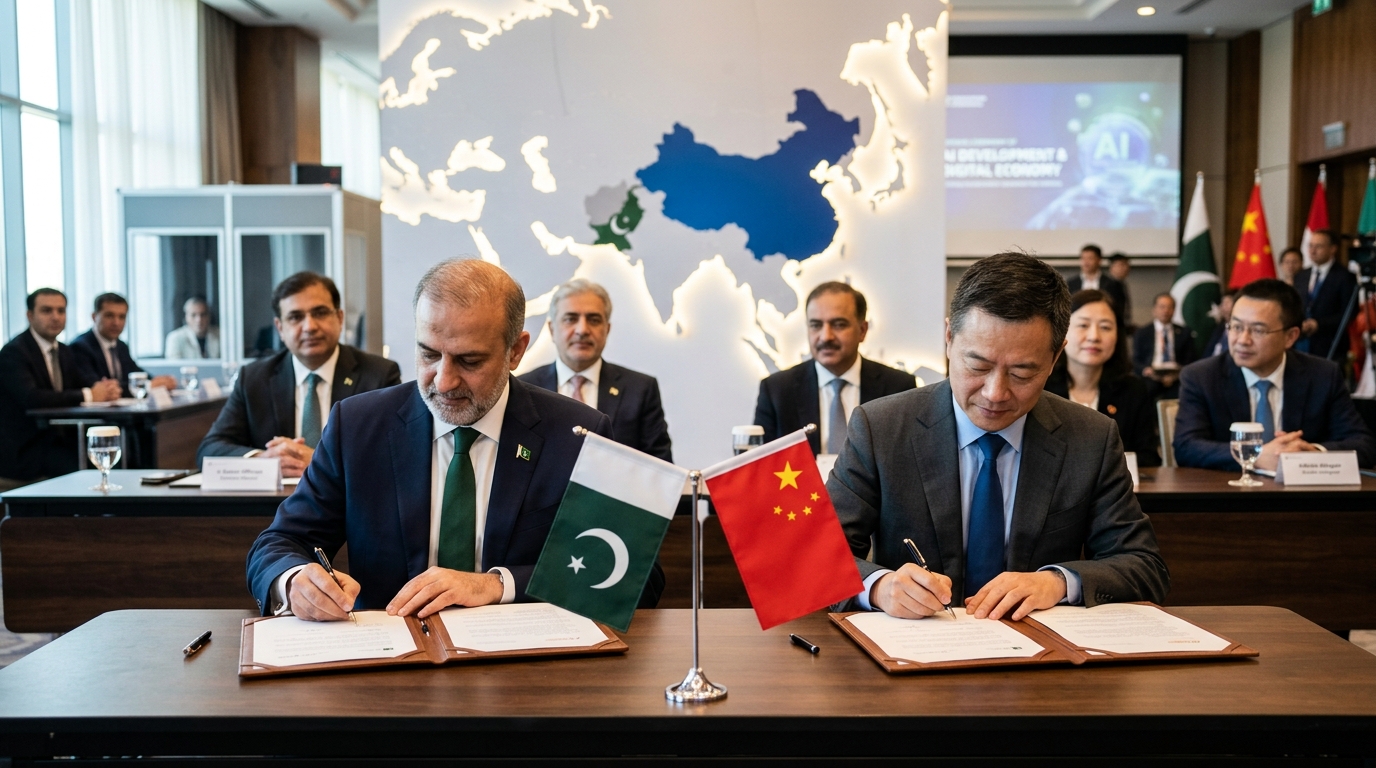
In a move poised to recalibrate the technological landscape of South Asia, the Government of Pakistan and Chinese tech behemoth Alibaba have signed a series of strategic Memoranda of Understanding (MoUs). This agreement, arriving at a pivotal juncture for the Pakistani economy, aims to catalyze the development of Artificial Intelligence (AI), bolster the digital economy, and empower Small and Medium Enterprises (SMEs) to integrate into the global marketplace.
The Digital Silk Road Expands
This partnership is far more than a mere corporate transaction; it is a foundational brick in what analysts term the "Digital Silk Road." With Alibaba’s backing, Pakistan seeks to bypass traditional infrastructure bottlenecks. The agreement outlines the establishment of cloud data centers and the provision of advanced cloud services, which will serve as the backbone for AI applications in sectors ranging from agriculture and healthcare to public administration.
For Islamabad, Alibaba is not just a technology provider but a strategic partner capable of offering the expertise required for state-level digital transformation.
"Our collaboration with Alibaba is a vote of confidence in Pakistan's human capital and our ambition to become a regional technology hub,"a senior government official remarked during the signing ceremony.
Empowering Small and Medium Enterprises (SMEs)
A central pillar of the MoUs is the revitalization of the SME sector. In Pakistan, small businesses constitute the vast majority of the economic fabric but often lack access to international markets. Alibaba, through its massive e-commerce platforms, has committed to training thousands of Pakistani entrepreneurs in digital sales and supply chain management.
- Digital Literacy: Training programs for youth and entrepreneurs on utilizing AI tools for market trend analysis.
- Global Market Access: Facilitating the export of Pakistani goods through Alibaba’s global ecosystem.
- Financial Inclusion: Leveraging fintech solutions to provide credit to businesses traditionally excluded from the banking system.
This initiative is expected to generate thousands of new jobs, particularly for the country’s youth, who face high unemployment rates. Integrating AI into daily business operations will allow Pakistani firms to reduce operational costs and enhance international competitiveness.
Geopolitical Implications and Challenges
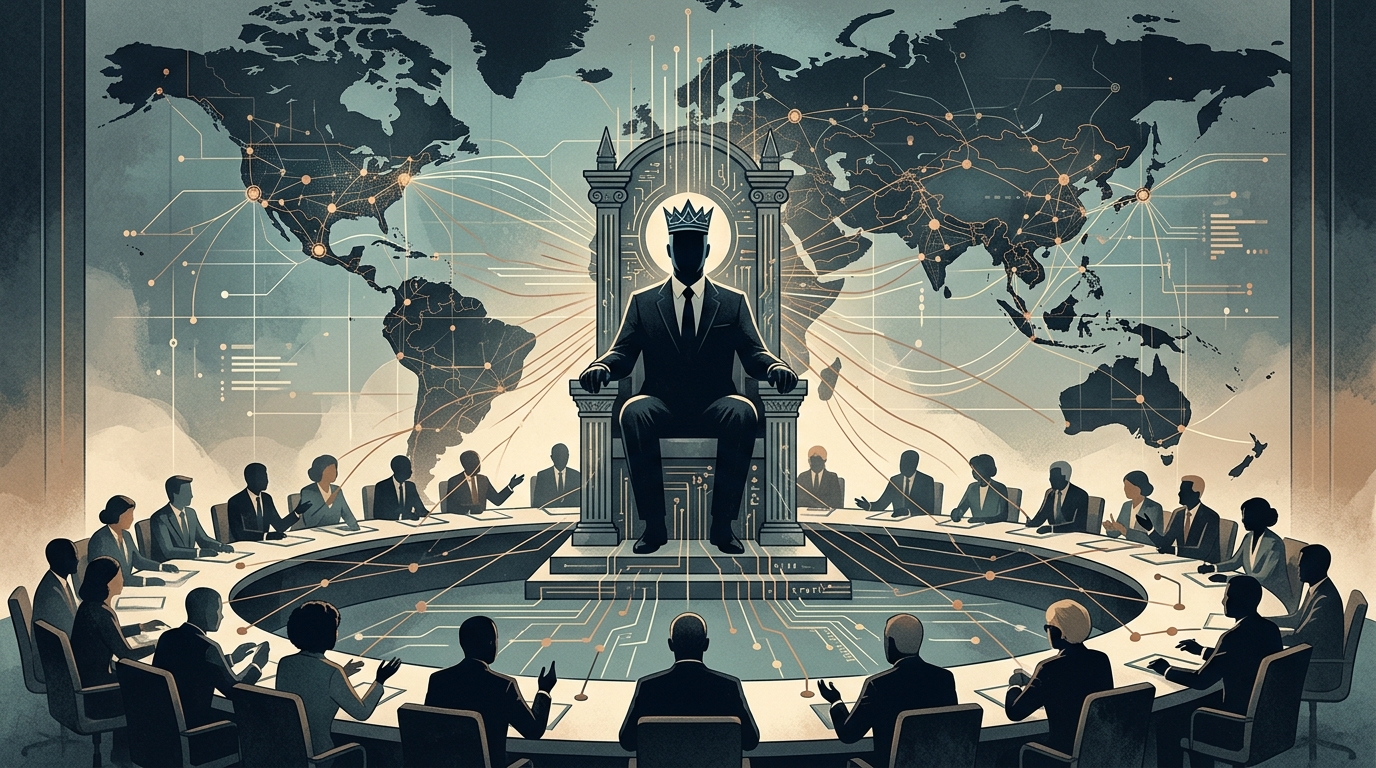
However, such close cooperation with a Chinese giant is not without its geopolitical complexities. In an era where the technological rivalry between the U.S. and China is at its zenith, Pakistan’s choice to lean on Alibaba for critical infrastructure sends a clear signal. Western powers are closely monitoring data management and cybersecurity protocols in these partnerships.
Concerns regarding "digital dependency" also persist. While Alibaba provides the necessary tools, Pakistan must ensure it cultivates its own domestic technological base to avoid becoming a mere consumer of foreign services. Protecting citizen privacy and maintaining data sovereignty will be the litmus tests for the Pakistani government in the coming years.
Conclusion: A High-Stakes Bet on the Future
The Pakistan-Alibaba agreement is a bold attempt to leapfrog decades of economic stagnation through technology. If executed successfully, it could serve as a blueprint for other developing nations seeking to enter the AI era. The key to success will lie in the delicate balance between attracting foreign investment and maintaining national strategic autonomy.