By mid-2026, the global community has come to realize a fundamental shift: the era where Artificial Intelligence (AI) was driven exclusively by Silicon Valley and innovation labs is over. Today, national security is the primary factor shaping the development, deployment, and regulation of AI. What began as a race for the best chatbot has evolved into an existential competition for technological supremacy, with nations like Vietnam emerging as critical players on a chessboard that spans from semiconductors to military-grade algorithms.
The Shift Toward Techno-Nationalism
The concept of 'techno-nationalism' is not new, but its application to AI has reached dimensions reminiscent of the 20th-century nuclear arms race. Governments no longer view AI merely as a commercial opportunity, but as the foundation of their national survival. This is reflected in the rise of 'Sovereign AI,' where states seek to develop their own computing power infrastructures and large language models, independent of major American or Chinese platforms.
Vietnam serves as a prime example of this trend. By strategically investing in education and data infrastructure, the country aims to ensure that its digital economy will not be at the mercy of foreign interests. National security here is not just about defense, but also about protecting cultural identity and economic autonomy through the control of the algorithms that shape public opinion.
The Weaponization of Code and Zones of Influence
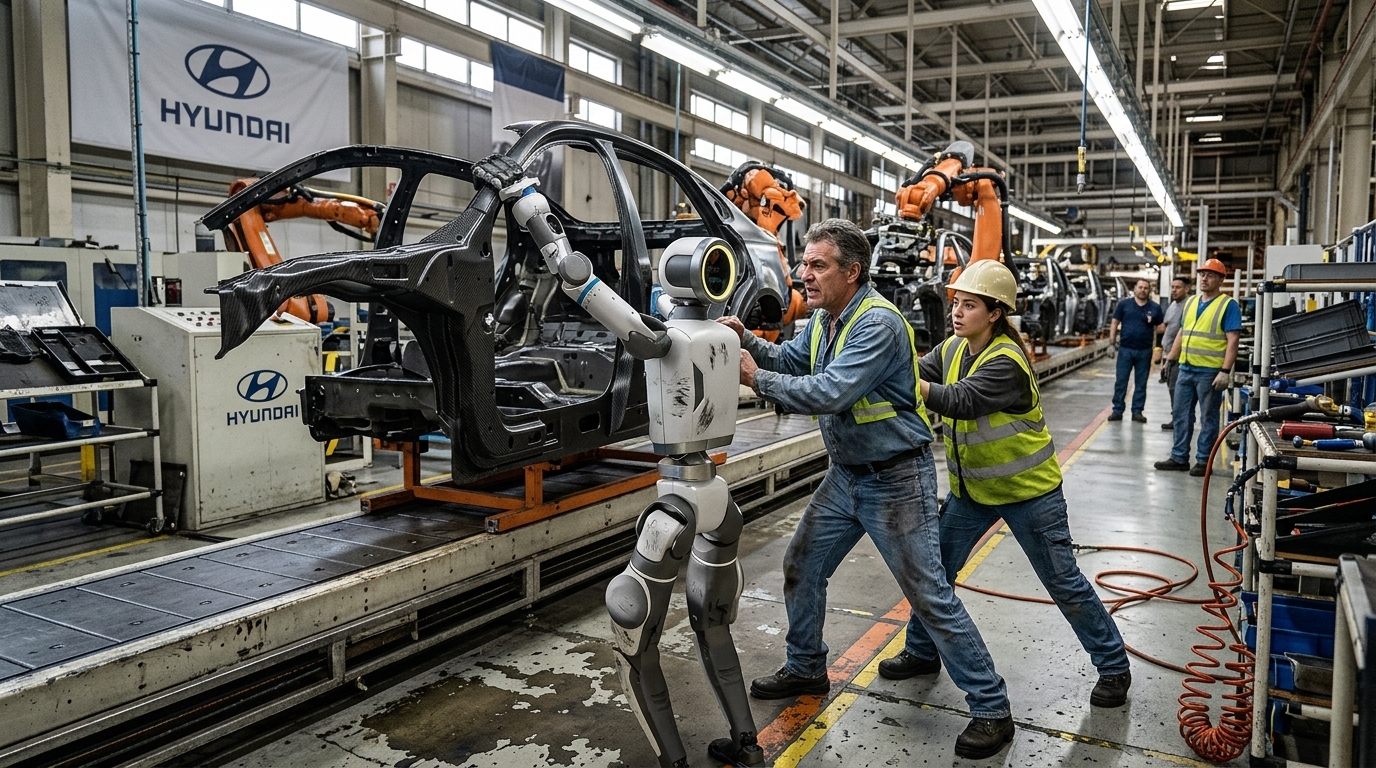
Beyond the economy, AI has become the central nervous system of the modern war machine. From autonomous drones to predictive cyber-defense systems, a state's ability to process data in real-time determines its power on the battlefield. This reality is forcing the US and China to impose strict technology export controls, creating a 'Digital Iron Curtain.'
- Semiconductor restrictions: Access to Nvidia and ASML chips is now considered a matter of national defense.
- Data sovereignty: Nations are enforcing local data storage to prevent espionage through AI.
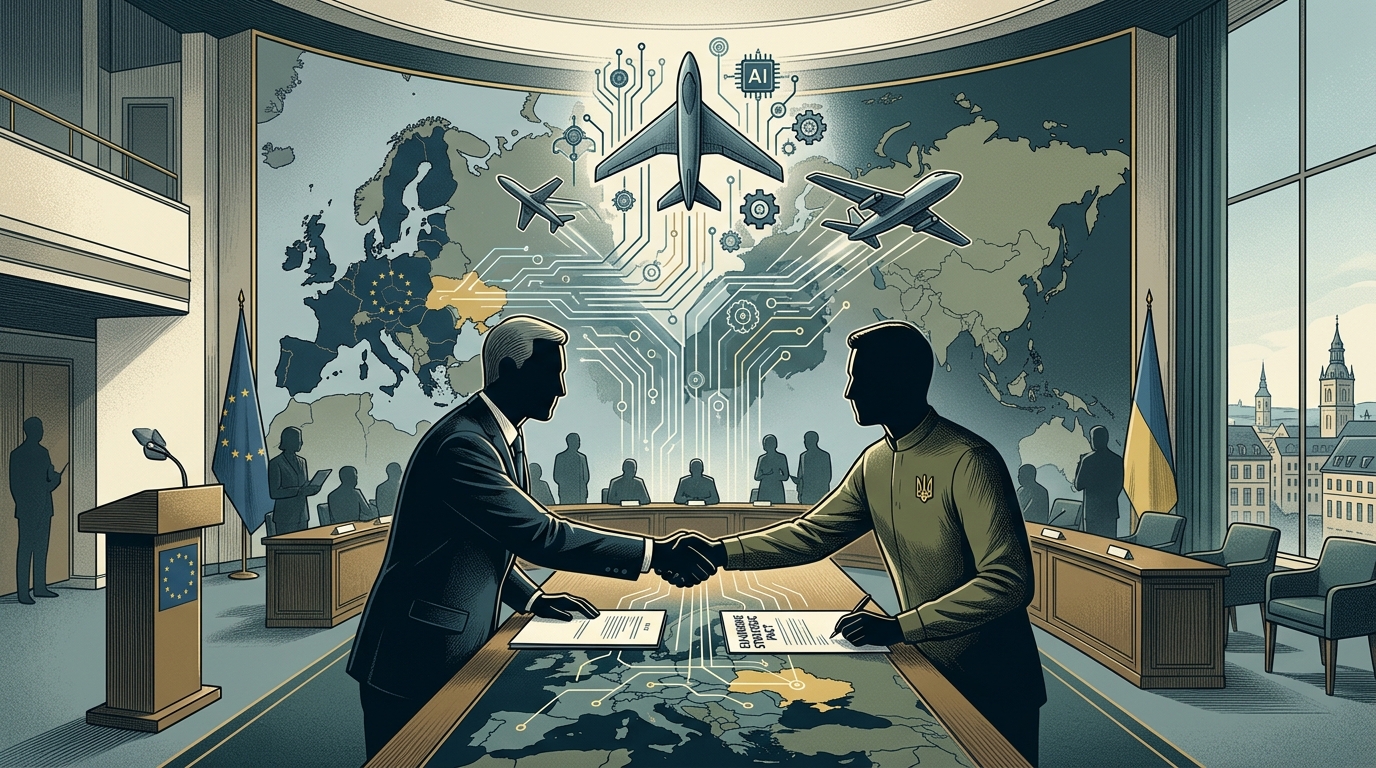
- AI Diplomacy: Alliances are now formed based on the compatibility of technological ecosystems.
This weaponization brings significant risks. The lack of transparency in AI models used for national security can lead to unpredictable escalations. When algorithms make decisions about intercepting threats, the margin for human error decreases, but the risk of a systemic error triggering a conflict increases exponentially.
Ethics and Democracy Under Security Pressure
The big question that arises is whether democratic values can survive in an environment where security takes precedence over liberty. The use of AI for border surveillance, identifying internal threats, and fighting disinformation often walks a fine line between protection and authoritarianism. The European Union is attempting to set rules through the AI Act, but even there, exemptions for national security remain the most controversial point.
"Artificial Intelligence is the new horizon of sovereignty. Whoever controls the intelligence of machines will control the narrative of history in the 21st century."
In conclusion, AI is no longer a neutral technology. It is the tool with which global maps of power will be redrawn. National security doesn't just shape AI; it redefines it as the ultimate weapon and the ultimate shield of our time. The challenge for the global community will be to prevent this technological progress from turning into a permanent state of digital siege.