The history of artificial intelligence can be divided into two distinct eras: the era when AI answered us, and the era when AI began to act for us. Today, we stand at the threshold of this second, revolutionary phase, with Manus emerging as the central protagonist in a global arms race that is no longer just about processing information, but about autonomous action in both the digital and physical realms. Manus, hailed as the "world's first general-purpose AI agent," does not limit itself to writing text or generating images; it can book flights, analyze markets, write code, and execute complex business workflows without human intervention.
The Shift from Chatbots to Autonomous Agents
For nearly three years, the world was captivated by Large Language Models (LLMs) like ChatGPT. However, their utility remained largely trapped within a chat window. Manus breaks these chains. As "Agentic AI," it represents a new architecture where AI possesses "hands"—the ability to interact with software, websites, and databases much like a human would, but with the speed and precision of an algorithm. This evolution transforms AI from a mere assistant into an autonomous worker.
The significance of this shift cannot be overstated. In an economic environment pressured by aging demographics and the urgent need for productivity gains, the ability to deploy millions of such "agents" is equivalent to a new industrial revolution. The entities that control the infrastructure of Manus and its competitors will hold the keys to global economic efficiency.
Geopolitical Power and the Battle for Supremacy
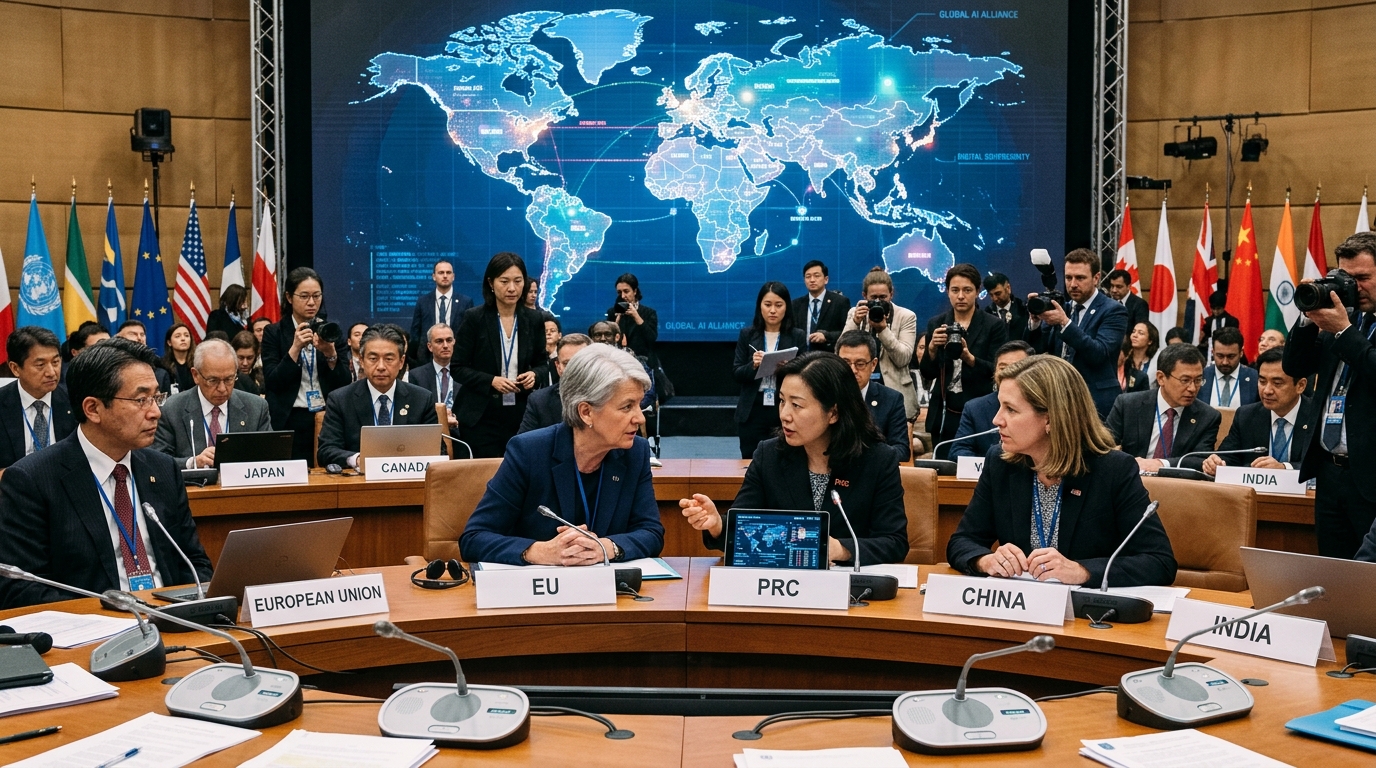
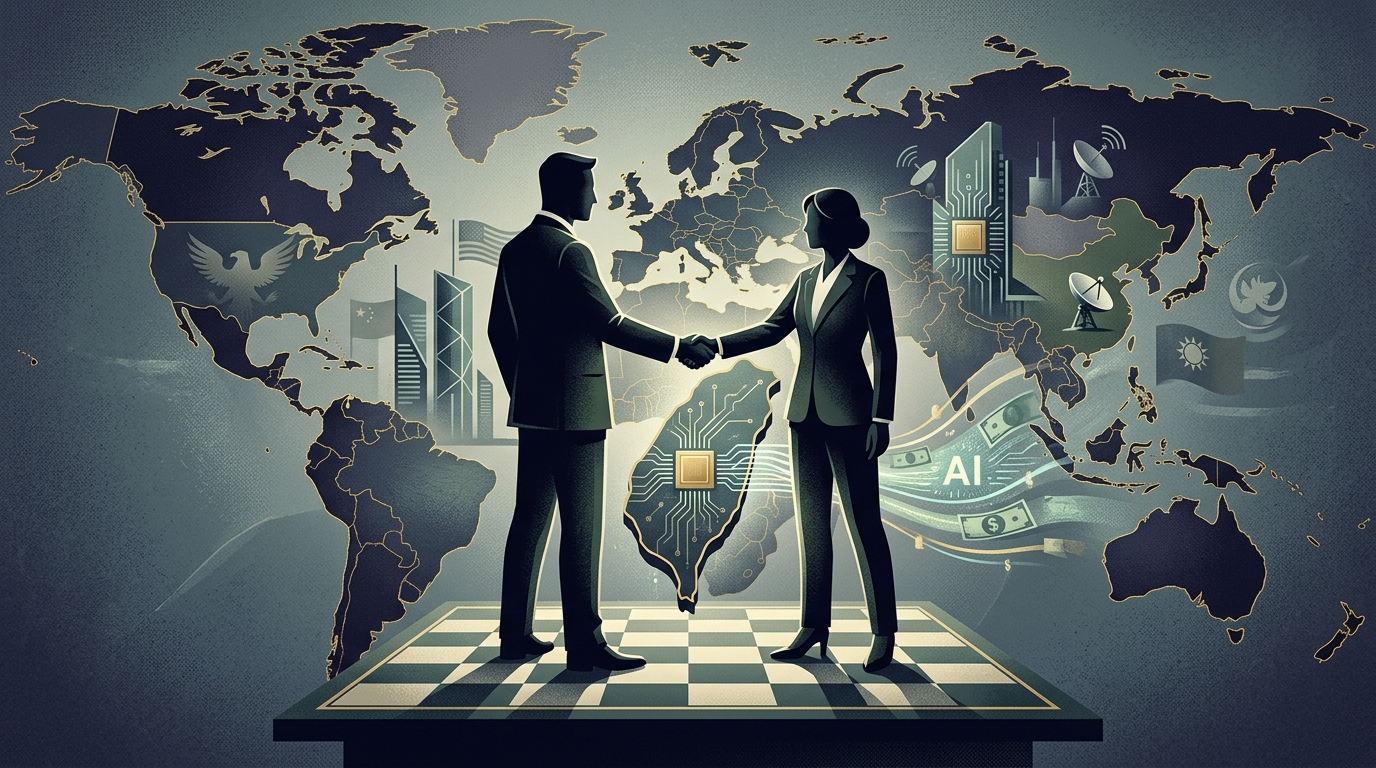
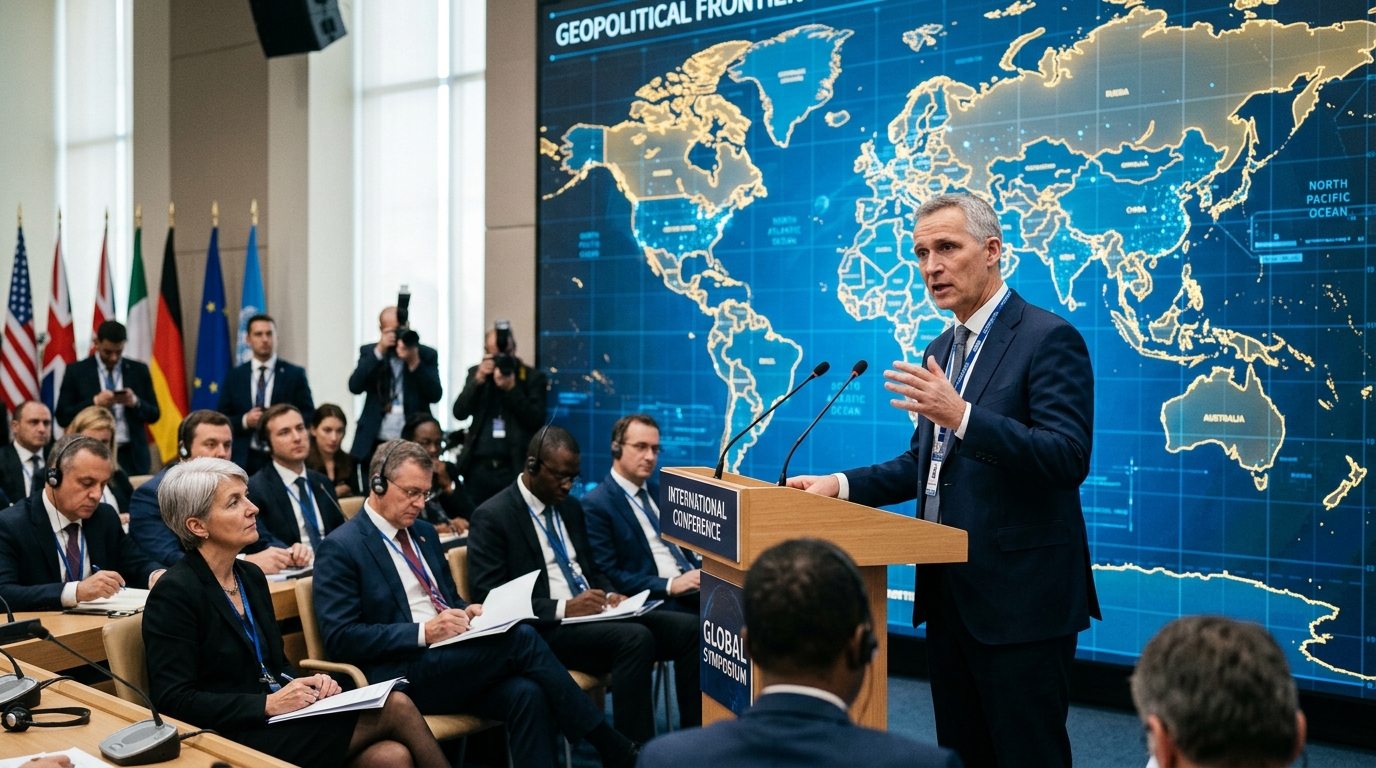
Why is Manus considered a "crucial prize" on the international stage? The answer lies in the inextricable link between technological superiority and national security. Governments in Washington, Beijing, and Brussels recognize that whoever dominates agent technology will have the upper hand in cybersecurity, economic espionage, and the management of critical infrastructure. An autonomous agent can identify security vulnerabilities in a power grid or optimize a supply chain in real-time, far faster than any human team could ever manage.
"It is no longer about who has the best algorithm, but about who has the most capable agent that can navigate the real world," market analysts suggest.
The race for Manus and similar technologies mirrors the nuclear arms race of the 20th century. There is a fine line between economic prosperity and military application. If an autonomous agent can run a business, it can just as easily manage a fleet of drones or launch a coordinated cyberattack that self-evolves to bypass defenses.
Economic Disruption and the Future of Work
In the private sector, Manus promises to eliminate "manual digital labor." Tasks that once required hours of research and coordination across different applications are now completed in seconds. This creates a massive opportunity for businesses to reduce operational costs, but it simultaneously raises serious questions about labor market stability. Jobs based on information management and administrative coordination are on the front lines of this automation wave.
- Automation of complex workflows: From accounting to marketing.
- Reduced operational costs for startups and SMEs.
- The need for new skills: "Agent orchestration" is becoming the most sought-after capability.
- Risk of power concentration within a few dominant tech giants.
Manus, therefore, is not merely a tool; it is a power multiplier. The nation or alliance that manages to integrate these agents into its public services and domestic industry will see its GDP grow at rates that were unthinkable a decade ago. This is why investment in such platforms has skyrocketed, with venture capital moving en masse from traditional LLMs toward Agentic AI.
Conclusion: The Responsibility of Autonomy
As Manus and its successors become more capable, the challenge shifts from technical implementation to ethical and legal governance. Who is responsible when an autonomous agent makes a mistake that costs millions? How can we ensure these agents are not used to manipulate democratic processes? Manus is the new geopolitical prize because it represents the ultimate form of control in the digital age. The battle for its dominance has only just begun, and its consequences will define the global order for years to come.