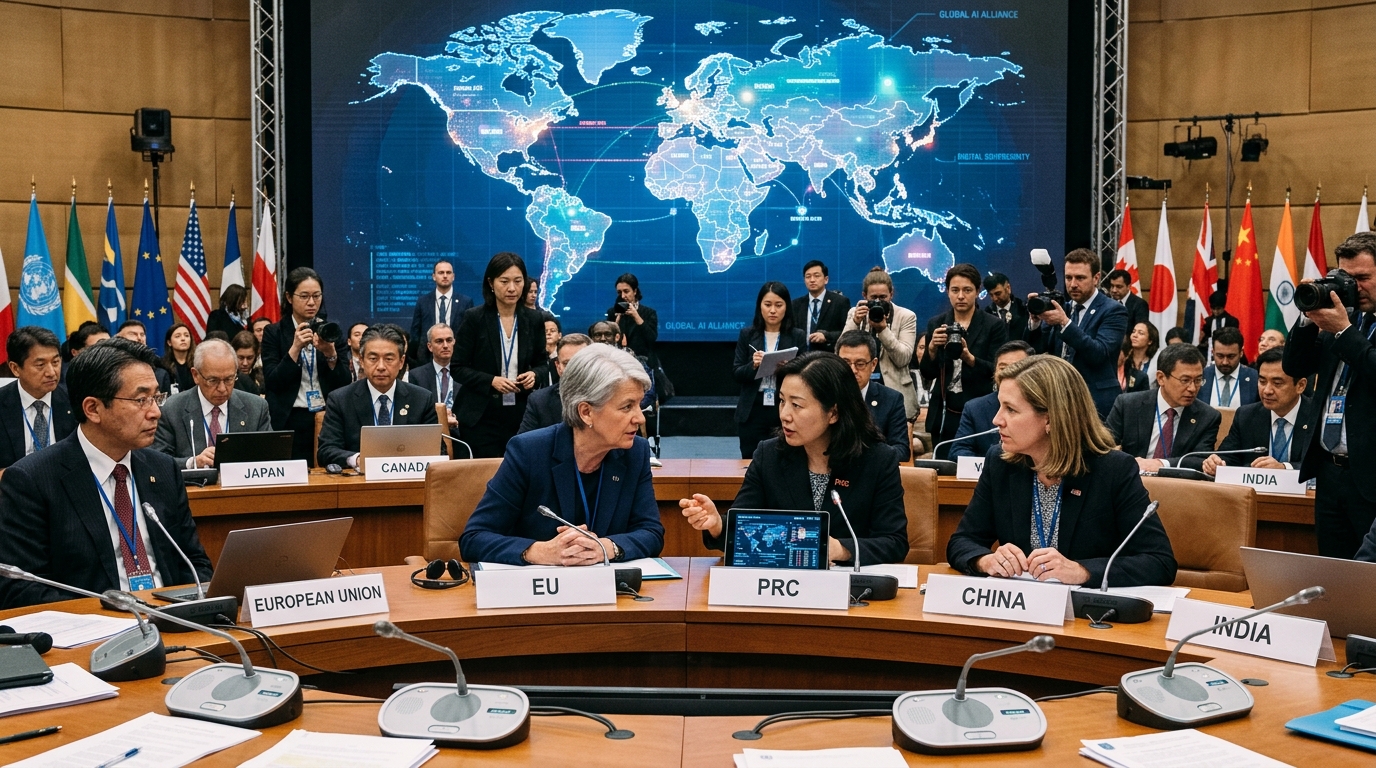
In a move signaling a complete rupture with the traditional diplomatic niceties of transatlantic relations, French President Emmanuel Macron has made it clear that the European Union is prepared for an all-out trade war. The catalyst is the ongoing threat from the Trump administration to impose 25% across-the-board tariffs on European car imports—a move Paris and Brussels view as "economic blackmail."
Strategic Autonomy in Action
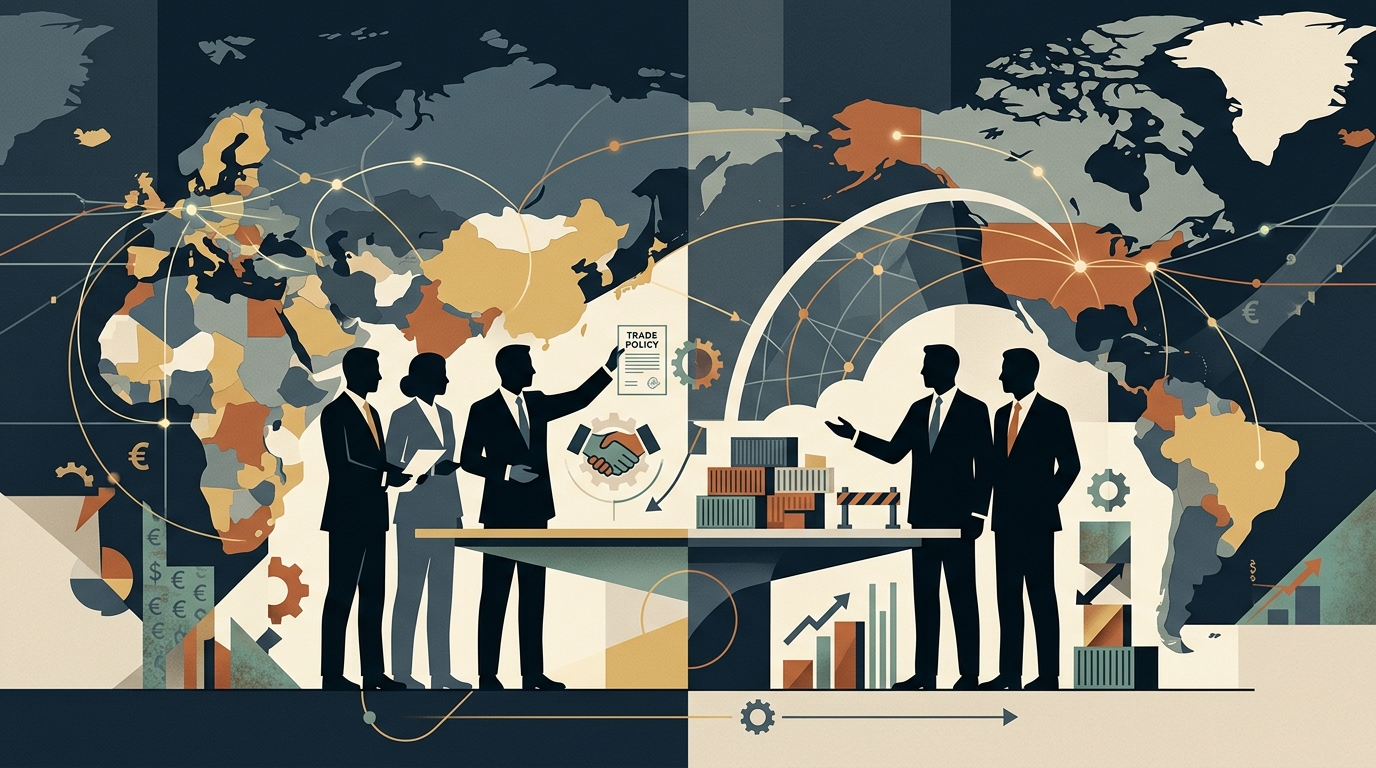
Speaking at an economic forum, Macron did not mince words. "Europe is no longer the passive victim of geopolitical shifts," he declared. His reference to having "all weapons on the table" is not an empty threat. He is specifically referring to the EU's Anti-Coercion Instrument (ACI), a legislative tool that allows the Union to respond with its own tariffs, investment restrictions, and exclusion from public tenders without waiting for the slow-moving decisions of the World Trade Organization (WTO).
The French side argues that American aggression in trade is not just about revenue; it is a calculated attempt to destabilize the European industrial base. With the German automotive industry already in a difficult transition phase toward electrification, an additional 25% tariff could prove fatal for thousands of jobs and the economic cohesion of the eurozone.
European Unity Put to the Test
Despite Macron's tough rhetoric, the big question remains Berlin's stance. Historically, Germany has been more hesitant to engage in retaliation that could escalate conflict, fearing further blows to its exports. However, the mood seems to be shifting. The realization that "America First" policies do not distinguish between friends and foes is pushing even the most moderate voices in Brussels toward the Macron line.
- Automotive Industry: A sector employing millions of EU citizens is directly in the crosshairs.
- Supply Chains: Fears of disruptions in the flow of US-made components.
- Technological Sovereignty: Linking trade to access to critical AI and semiconductor technologies.
The ACI mechanism is designed specifically to act as a deterrent. The logic is similar to nuclear deterrence: "If you hit us, we will hit back so hard that the cost will outweigh the benefit." France is pushing for an immediate and unified European response, rejecting Washington's attempts to negotiate bilaterally with individual member states.
Geopolitical Chess and the Shadow of China
In the background of this confrontation lies the competition with China. Macron argues that a trade war between the West and the West is the greatest gift to Beijing. "While we fight over car tariffs, China is subsidizing its own industry to conquer the markets of the future," he warned. The Elysée's analysis is clear: Europe must balance protecting its interests against the US while avoiding full isolation that would make it vulnerable to Chinese economic penetration.
"We do not seek conflict, but we do not fear self-defense. The era of European naivety is definitively over," a senior French diplomat stated.
The coming months will be critical. If the White House moves forward with signing the tariff executive orders, the European Commission will be called upon to activate the ACI for the first time in its history. This would signal a new era of protectionism that could redefine the global economy for decades to come. Macron's stance is not merely a national position but an attempt to lead a Europe that speaks the language of power.