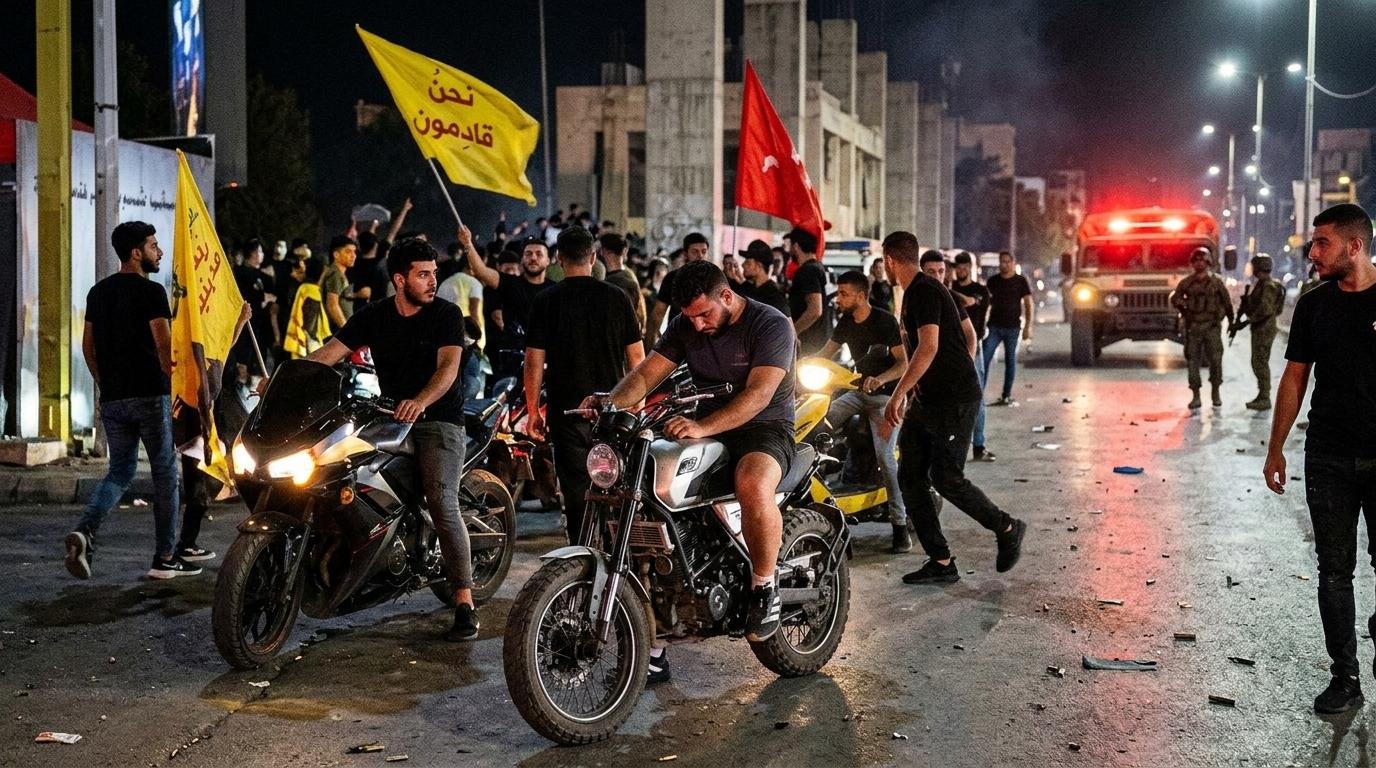
The fragile equilibrium in Lebanon is being tested once again as the country's armed forces (LAF) face the daunting task of maintaining internal peace. The recent military leadership announcement, vowing to defend citizen security and state stability, is not merely a formal statement but a direct response to intense protests by Hezbollah supporters. These demonstrations, erupting in reaction to the signing of a new framework agreement, highlight the deep chasm separating the country's political and sectarian factions.
The Conflict Over the Framework Agreement
The framework agreement, at the heart of the current confrontation, is viewed by many as a necessary step toward Lebanon's economic recovery and international recognition. However, for Hezbollah and its supporters, this agreement is interpreted as a concession to foreign interests and a potential recognition of territorial or maritime claims that challenge the 'Resistance.' The demonstration in the streets of Beirut was not just an expression of dissent, but a show of force by the pro-Iranian organization, signaling that no significant decision can be made without its consent.
The army, for its part, is called to play the role of arbiter in an environment where political power is fragmented. The commitment to 'defend peace' practically means preventing the escalation of clashes between different communities, which has historically led Lebanon into the abyss of civil war. Soldiers often find themselves in the crossfire, attempting to enforce order without triggering a generalized uprising.
The Role of the Armed Forces in National Cohesion
For the average Lebanese citizen, the army remains perhaps the only institution enjoying widespread trust, transcending sectarian and partisan lines. In a country where corruption and political paralysis have discredited almost every state structure, the LAF are considered the guarantor of national unity. However, their mission is hampered by the economic crisis that has plagued the country in recent years. Soldiers' salaries have lost most of their purchasing power, and shortages of equipment and supplies are evident.
- Maintaining the army's neutrality is vital to avoiding civil strife.
- The international community, primarily the US and France, continues to financially support the army as a bulwark against Hezbollah's influence.
- Pressure from the 'Resistance' creates cracks in the hierarchy and cohesion of military units.
The army's stance toward Hezbollah's protests demonstrates a careful strategy: law enforcement without direct confrontation with the organization's armed wing. It is a 'tightrope walk' where one mistake could ignite an uncontrollable chain of events.
Geopolitical Implications and the Future
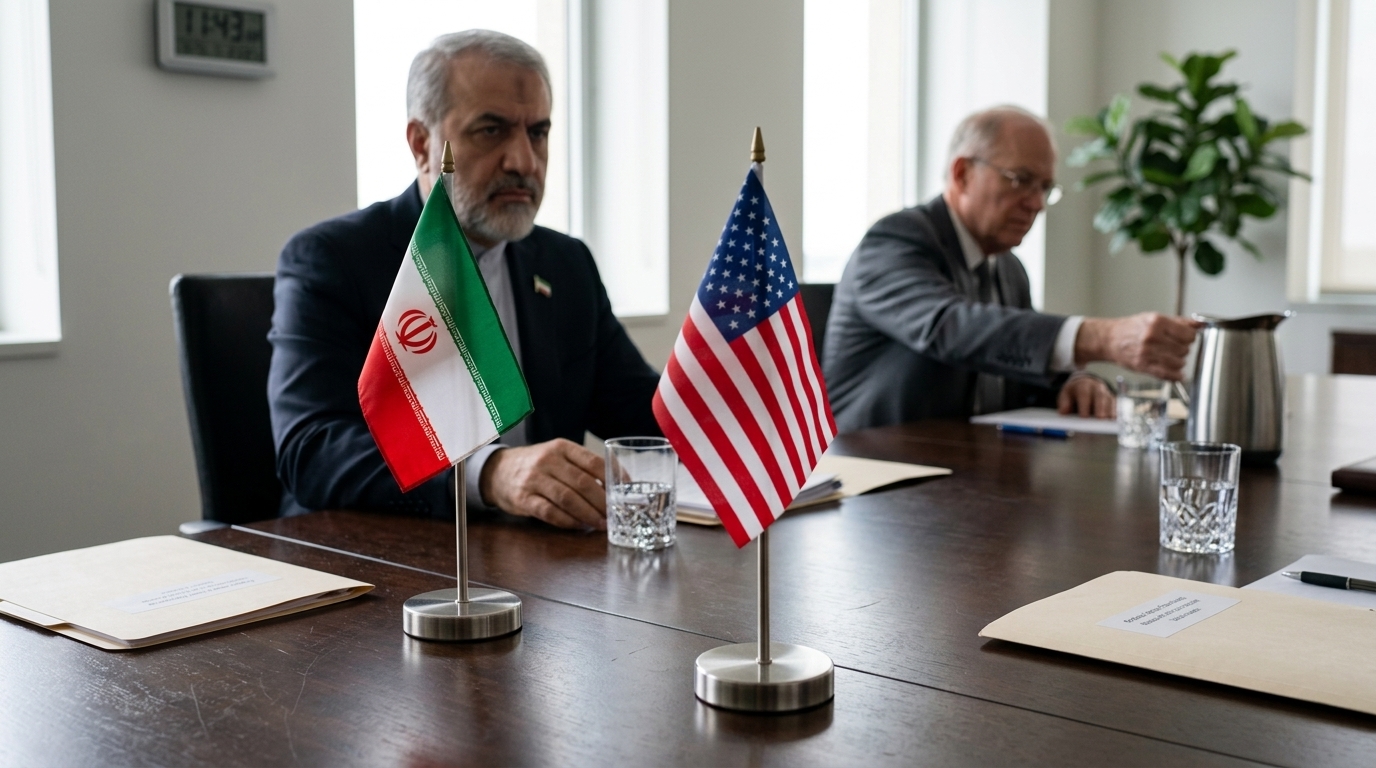
Lebanon is never an isolated case. Its internal developments reflect broader geopolitical conflicts in the Middle East. The framework agreement that sparked the reactions is directly linked to efforts to stabilize the region and delineate spheres of influence between Iran and the West. Hezbollah, as the primary representative of Iranian interests in Lebanon, views any move toward rapprochement with the West as a threat to its survival.
"The army is not just an armed force; it is the backbone of our national identity. If this backbone breaks, Lebanon as a state will cease to exist," says an analyst from Beirut.
In the future, the army's ability to remain united and enforce peace will depend on two factors: continued international support and the political leadership's ability to find a compromise that defuses tension. The army's declaration is a reminder that, despite the difficulties, there is still a force that refuses to surrender the country to chaos. However, the challenges remain immense, and the path to true stability is long and fraught with pitfalls.