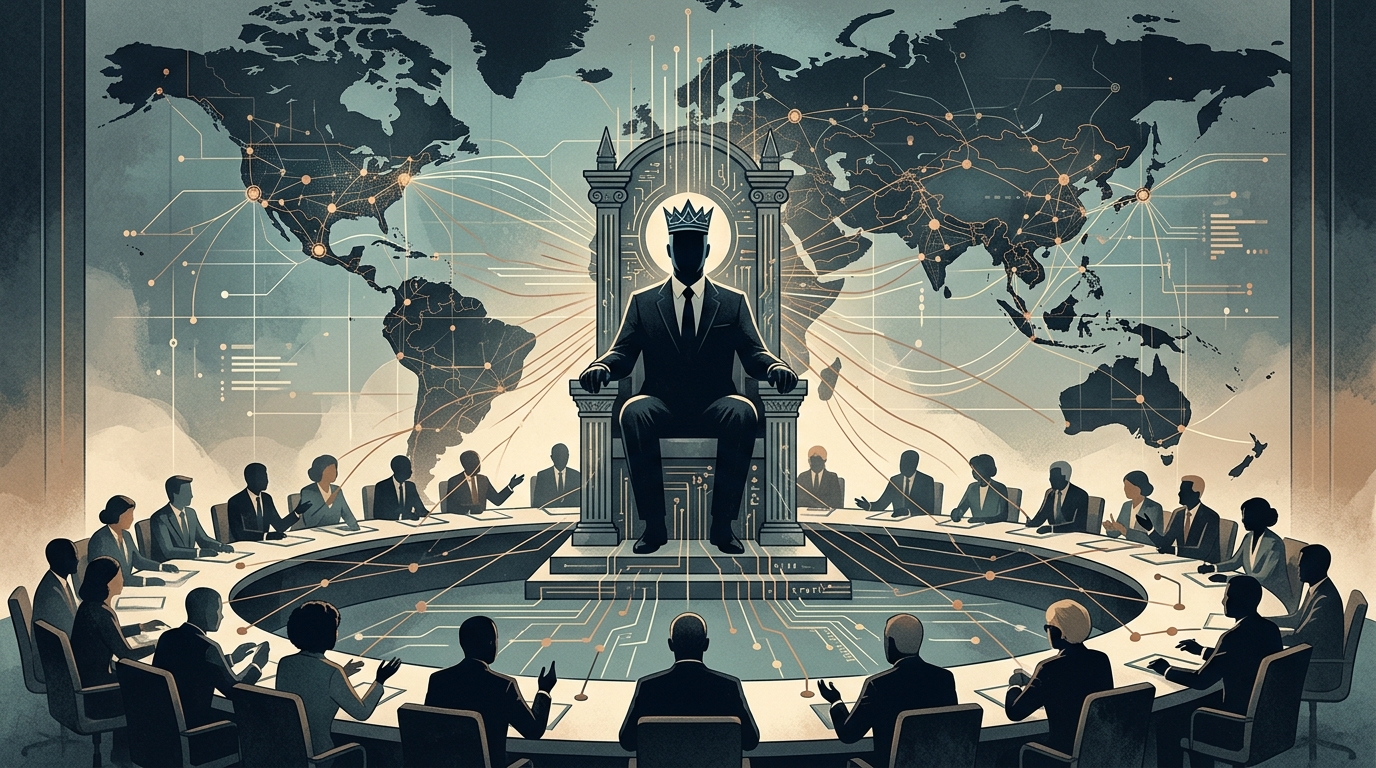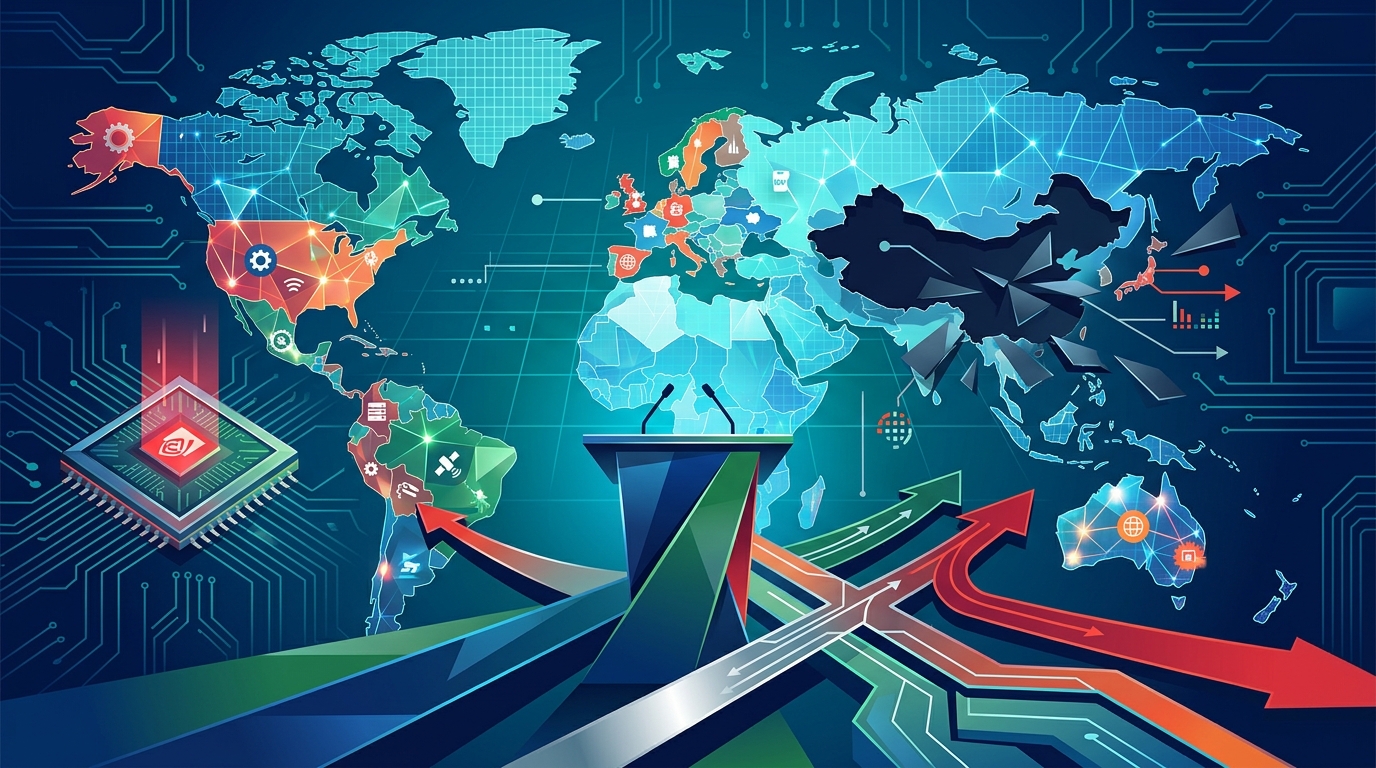
In a statement poised to resonate through the halls of Washington, Nvidia CEO Jensen Huang has admitted that his company's market share in China has effectively hit zero in the most critical segments. This admission is not merely a business update; it is a stark warning about the long-term consequences of the technological decoupling between the United States and China. According to Huang, the stringent export controls imposed by the US government on advanced AI semiconductors have not only failed to stall Chinese progress but have acted as a catalyst for the rapid emergence of a domestic Chinese industry that now threatens Nvidia’s global hegemony.
The Anatomy of a Strategic Miscalculation
For decades, Nvidia stood as the undisputed leader in the Chinese market, with its chips powering everything from massive hyperscale data centers to national security research. However, the US Department of Commerce's decision to ban the sale of flagship models like the A100 and H100—and subsequently the specially modified H800—created a vacuum that China rushed to fill. Huang argues that this policy “has already largely backfired,” as it forced Chinese tech giants such as Huawei and Tencent to invest billions into their own proprietary architectures.
The irony is palpable: the US effort to safeguard its technological lead has inadvertently accelerated the birth of a competitive ecosystem that might otherwise have taken decades to mature. Today, Huawei, with its Ascend series of processors, offers solutions that, while slightly trailing in raw performance, are perfectly optimized for the domestic software landscape and, crucially, are immune to further Western sanctions.
The Loss of a Vital Market
China historically accounted for approximately 20% to 25% of Nvidia’s data center revenue. Dropping to a “zero percent” share, as Huang characterized it, is more than a financial blow; it is a strategic retreat. Without access to the data and scale of the Chinese market, Nvidia loses a critical feedback loop for training future AI models. “These restrictions are like building a fence around yourself, not your adversary,” industry analysts suggest, noting that technology in the open-source era knows no borders.
Simultaneously, the Chinese government has mobilized its national capital through the “Big Fund,” pouring over $40 billion into its third phase for semiconductor self-sufficiency. This massive capital injection, combined with the existential necessity for Chinese firms to survive, has created a momentum that Washington appears to have underestimated. Huang emphasized that China is now “very capable” of producing competitive products, leaving Nvidia as a bystander in a market it once defined.
Geopolitical Fallout and the Future of AI
Huang’s comments come at a time when the global supply chain is in a state of permanent friction. The US strategy of “de-risking” is increasingly looking like a forced “de-coupling,” with potentially disastrous results for American multinationals. If Nvidia, the world's most valuable semiconductor company, admits it is being locked out of China, the vision of a unified global technological trajectory is effectively dead.
The pressing question now is whether the US administration will reconsider its stance or double down on a policy that, according to Nvidia’s leadership, is producing the opposite of its intended effect. China’s rise as an independent AI power is no longer a hypothetical scenario; it is a reality forged by the very sanctions meant to prevent it. While Nvidia continues to thrive in the West due to the generative AI boom, the loss of the East may prove to be its strategic Achilles' heel in the decades to come.
- Nvidia faces a near-total exclusion from China's high-end AI chip market.
- US sanctions have accelerated the development of domestic Chinese alternatives like Huawei’s Ascend.
- Jensen Huang warns that export policies are harming US corporate competitiveness long-term.
- China is mobilizing tens of billions in state funds to achieve total semiconductor autonomy.