The global geopolitical chessboard is experiencing one of its most turbulent periods in modern history as President Donald Trump is called upon to simultaneously manage an unexpected diplomatic olive branch from Tehran and a rapidly deteriorating relationship with Berlin. The news that Iran, through Pakistani mediation, has submitted a 14-point plan to end hostilities within 30 days has sent shockwaves through world capitals. At the same time, the American President's rhetoric against Germany leaves no room for misinterpretation: transatlantic unity is being tested like never before.
The 14-Point Plan: Diplomatic Lifeboat or Trap?
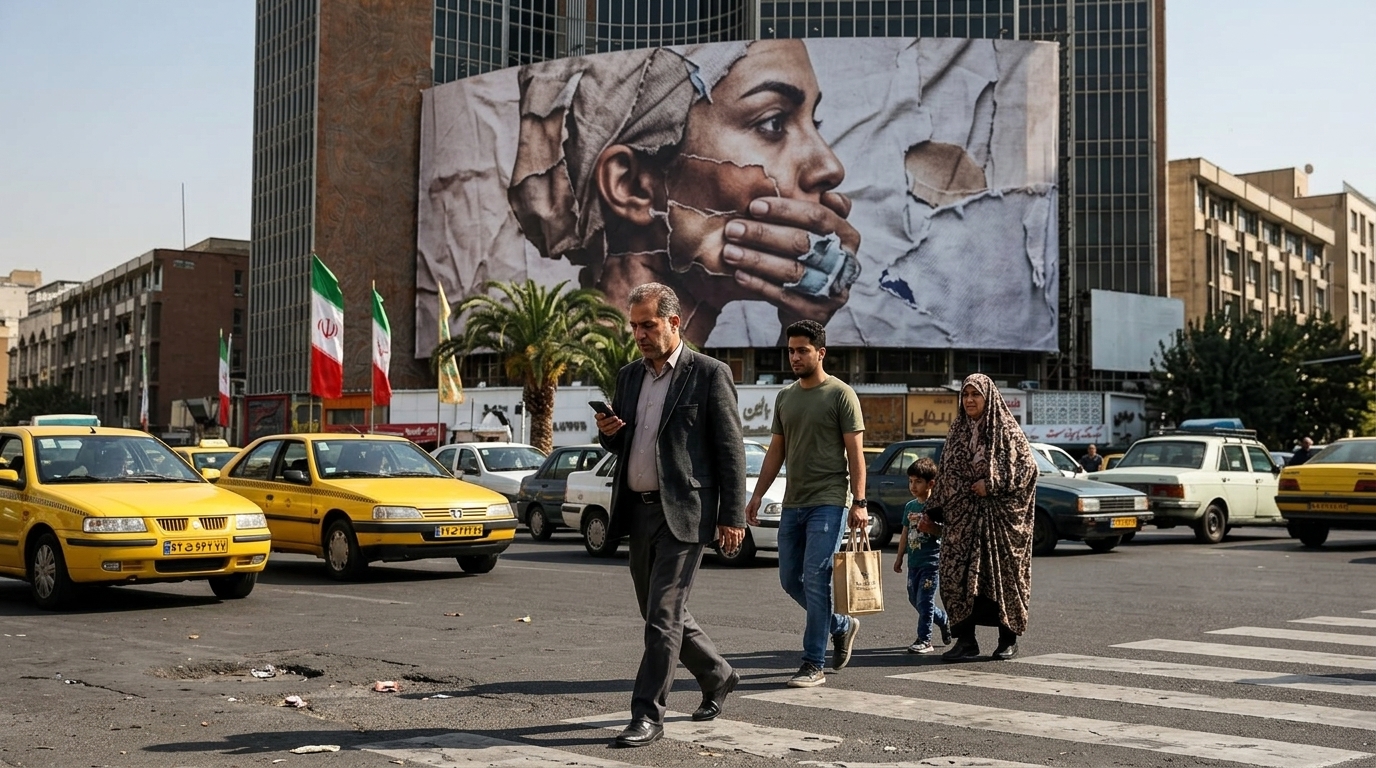
The proposal that reached the Oval Office is not a mere declaration of intent. According to diplomatic sources, the document includes specific steps for de-escalation in the Strait of Hormuz, a commitment to limit the nuclear program in exchange for the immediate lifting of oil sanctions, and a roadmap for the withdrawal of paramilitary groups from conflict zones. Iran seems to realize that economic pressure has reached a breaking point and is betting on Trump's desire for a "grand bargain" that could be branded as a historic success.
However, analysts remain cautious. The 30-day timeframe is considered extremely ambitious, if not impossible, for issues that have plagued the region for decades. The use of Pakistan as a communication channel underscores the weakening of traditional European mediators, who now find themselves on the margins of American foreign policy.
The "War" with Berlin and Europe's Isolation
While Washington weighs Tehran's proposal, the front with Germany is taking on the dimensions of a full-scale diplomatic and economic war. Trump has repeatedly accused Berlin of inadequate defense spending and of "exploiting" the US through trade surpluses. This escalation is not just about rhetoric; reports suggest that new tariffs on German technology and automotive products are being considered, which could paralyze the already fragile European economy.
The German government, for its part, is trying to balance the need to maintain the alliance with the defense of its national sovereignty. This rift creates a power vacuum in Europe, which other actors are quick to exploit. The weakening of the Washington-Berlin axis means that the EU is deprived of its traditional protector at a time when the Middle East is in turmoil.
Artificial Intelligence in the Service of Diplomacy
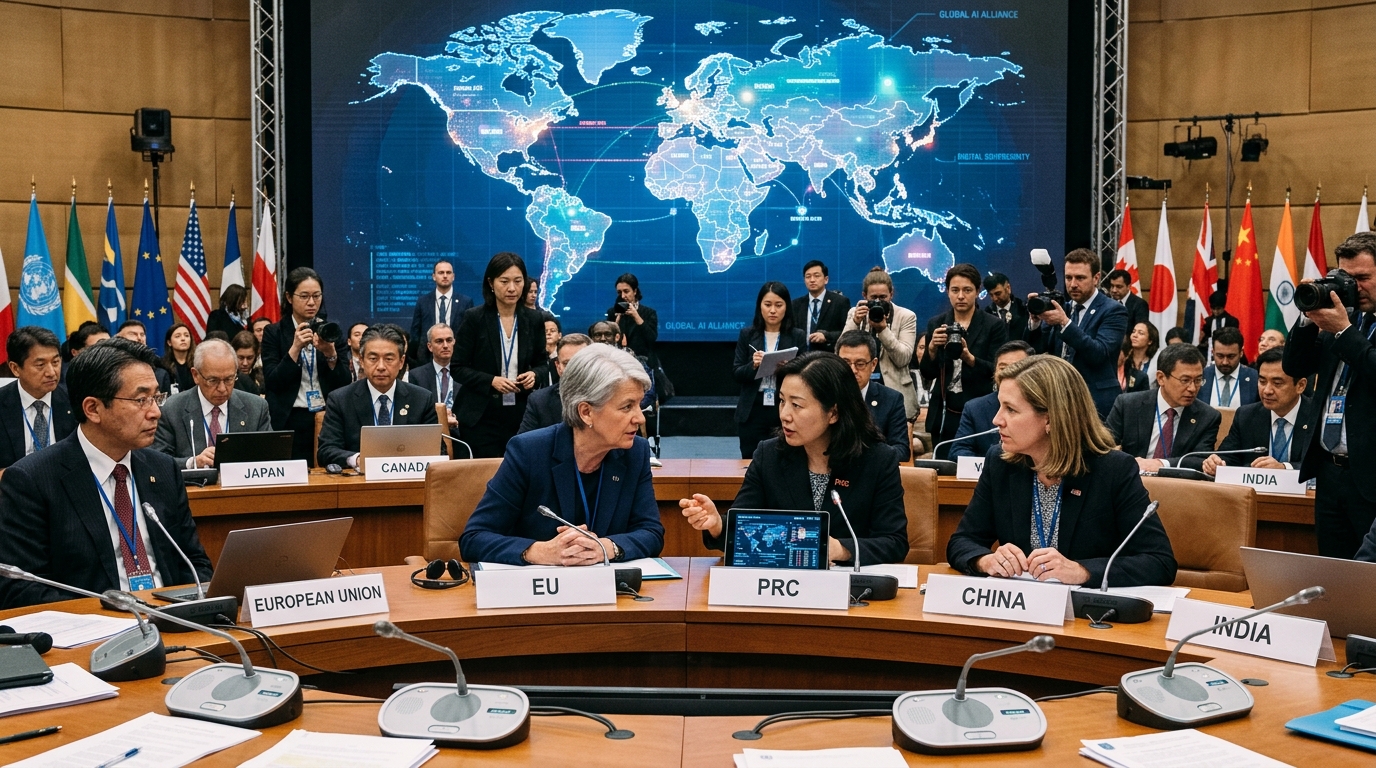
In this complex scenario, technology plays an invisible but decisive role. Both sides are now using advanced AI models to simulate negotiation outcomes. The State Department is reportedly using predictive algorithms to assess the sincerity of Iranian proposals, analyzing satellite data and economic flows in real-time. "Data diplomacy" is gradually replacing classical salon diplomacy.
"We are no longer in the era of promises, but in the era of verifiable reality through algorithms," says a senior White House official.
This development changes the rules of the game. If Iran fails to adhere to the points of the agreement, early warning systems will detect it long before UN inspectors set foot on the ground. Similarly, Germany is using AI to analyze the impact of US tariffs on its supply chains, preparing countermeasures with surgical precision.
Conclusion: A World in Transition
The coming week will be decisive. If Trump accepts Iran's plan, we will see a radical realignment of balances in the Middle East, with the US moving away from the traditional "hawkish" line. However, if the conflict with Germany continues, the West risks splitting into two competing blocs. The question remains: is Trump the "Dealmaker" who will bring peace, or the catalyst for a new global disorder?