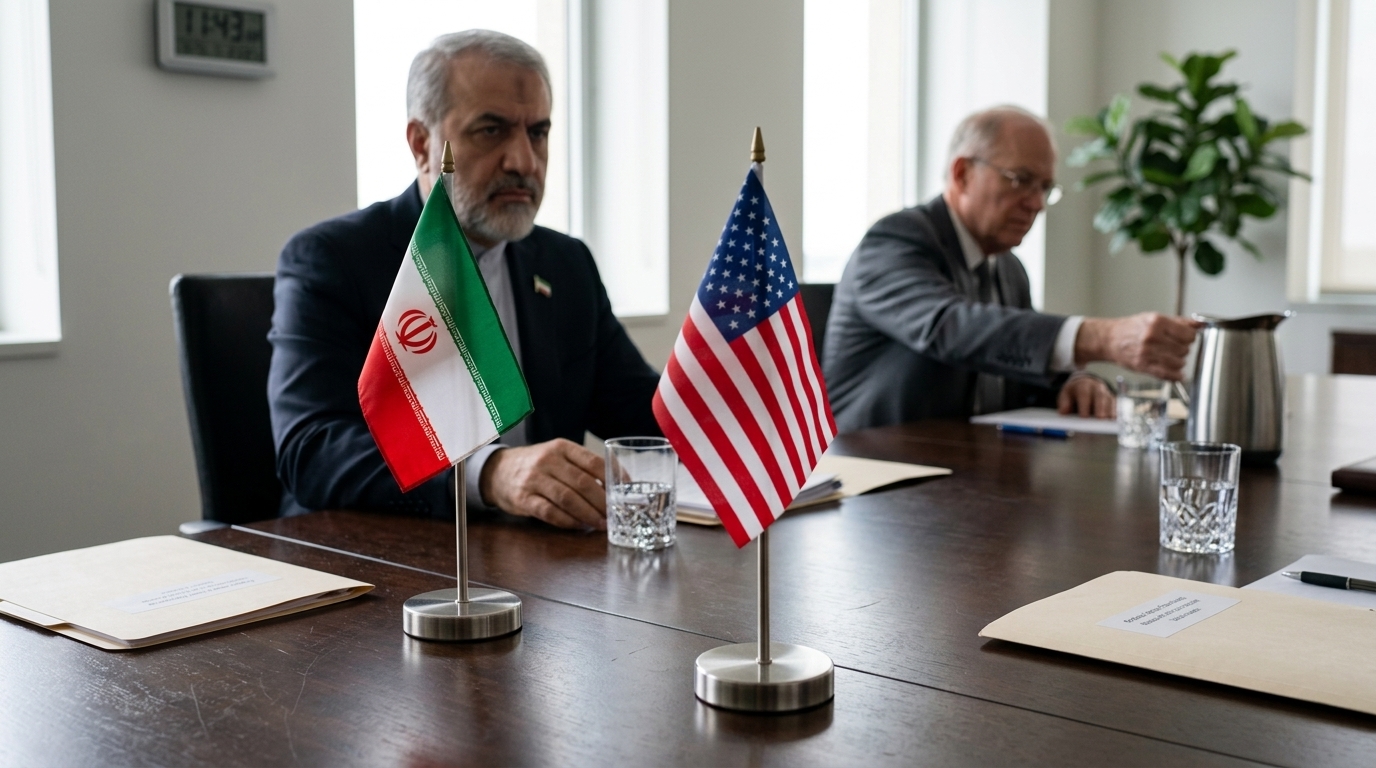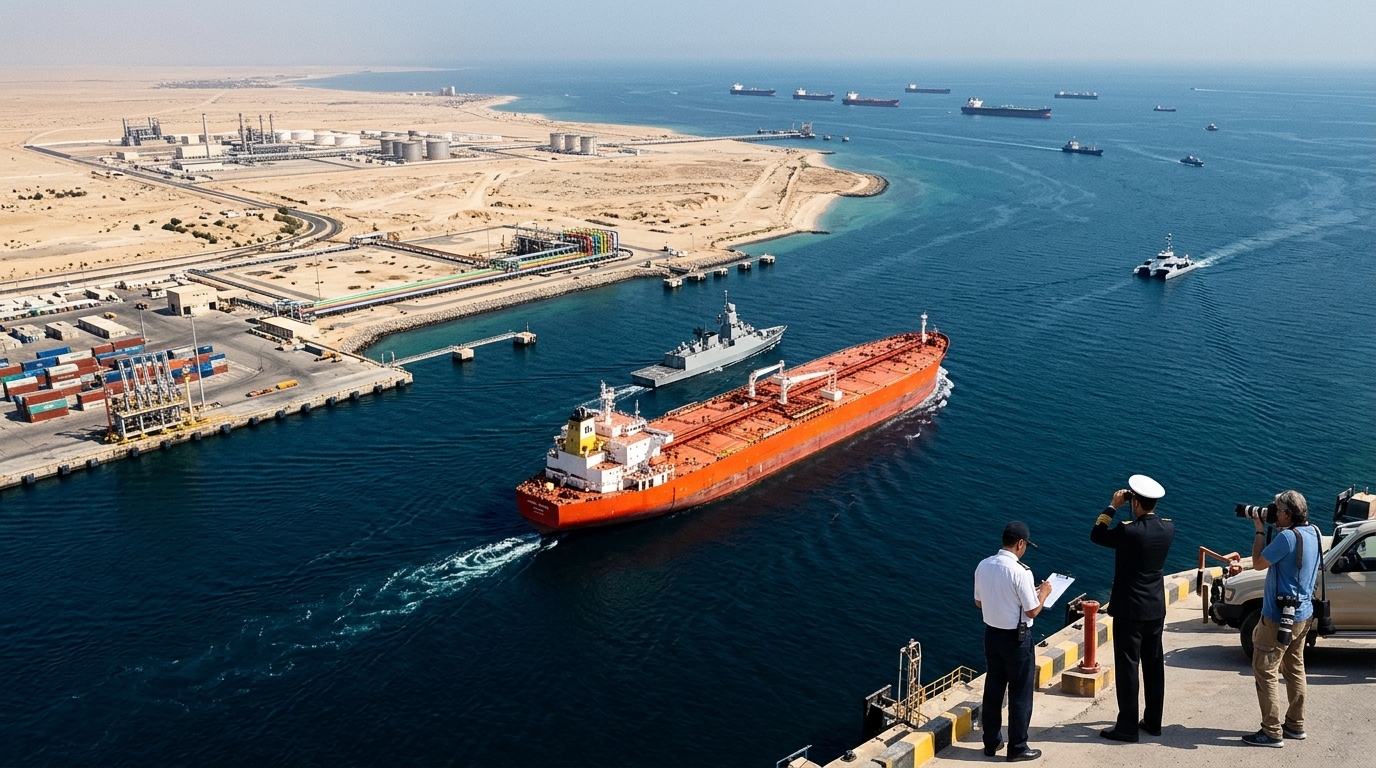
The geopolitical chessboard of the Middle East has once again proven that agreements signed in climate-controlled conference rooms often melt under the scorching sun of the Persian Gulf. The recent incident in the Strait of Hormuz, where U.S. Central Command (CENTCOM) announced the interception of multiple unmanned aerial vehicles (UAVs) targeting merchant vessels, highlights the stark divergence between diplomatic rhetoric and operational reality. While Washington and Tehran were broadcasting signals of optimism regarding a new peace accord, the sound of explosions over these strategic waters serves as a grim reminder that stability remains an elusive dream.
The Strategic Weight of Hormuz and the Asymmetric Threat
The Strait of Hormuz is not merely a waterway; it is the jugular vein of the global economy. Through this narrow passage, measuring only 21 miles at its narrowest point, flows approximately 20% of the world's total oil consumption. Any disruption there sends immediate shockwaves through international markets, driving up shipping costs and, consequently, energy prices for end consumers in Europe and Asia. The deployment of drones in this theater represents a classic case of asymmetric warfare. At a minimal cost, attackers can inflict disproportionately high damage—not just physical, but primarily psychological and economic.
"The use of unmanned systems has fundamentally altered the rules of navigation in high-risk areas. We are no longer facing just conventional warships, but invisible threats that can be launched from any point along the coast," stated a senior CENTCOM official.
Greek shipping, which commands the world's largest tanker fleet, stands at the forefront of this risk. Greek shipowners are monitoring developments with bated breath, as their vessels are frequent denizens of these waters. The safety of crews and the integrity of cargoes are in immediate jeopardy, despite the high-level assurances of ongoing peace processes.
The Diplomacy Paradox and the 'Shadow War'
The question hanging over the region is why these attacks persist at a time when diplomatic channels appear wide open. The answer lies in the strategy of the "shadow war." Often, these kinetic actions are used as leverage at the negotiating table. Tehran, while officially denying involvement, benefits from the projection of power that demonstrates its ability to turn off the global energy tap at will. Conversely, the presence of the U.S. and its allies in the region serves as a deterrent, yet also as a target for those wishing to disrupt the status quo.
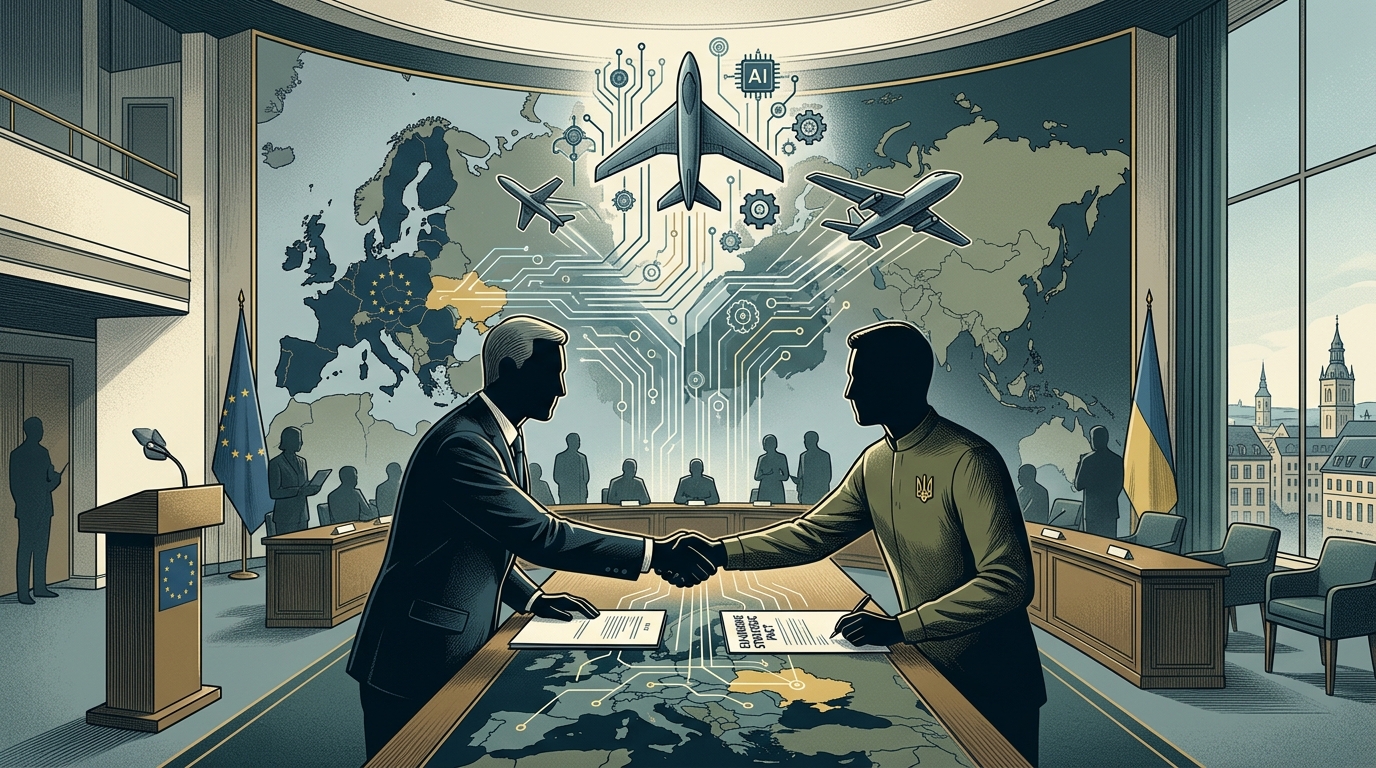
The peace agreement under discussion appears exceptionally fragile. It includes provisions for arms control and sanctions relief, but the activities of regional proxies remain the primary obstacle. As long as groups operate outside official state control but with state backing, no signature can fully guarantee the safety of maritime routes. The situation is further complicated by the integration of Artificial Intelligence into drone targeting systems, making them more precise and harder to intercept with traditional electronic warfare.
Economic Fallout and the Future of Navigation
Markets reacted swiftly to the news of the interceptions. Brent crude prices ticked upward as traders factored in the risk of prolonged instability. Furthermore, war risk insurance premiums for vessels transiting the Gulf have surged. This additional cost is eventually passed down the supply chain, affecting everything from fuel prices to consumer goods. Shipping companies are now considering alternative routes, which are both time-consuming and expensive, such as circumnavigating Africa—a shift we previously observed during the Red Sea crisis.
- Vessel insurance costs increased by 15-20% within a single week.
- Deployment of laser-based defense systems on commercial vessels is accelerating.
- Increased pressure on the IMO (International Maritime Organization) for enhanced protection protocols.
In conclusion, the Strait of Hormuz remains the world's most dangerous choke point. The technological evolution of drones has empowered regional actors to challenge the dominance of major powers in an asymmetric fashion. Peace, if it is to be achieved, must be more than a simple ceasefire; it must include ironclad guarantees for the freedom of navigation and the regulation of emerging warfare technologies. Until then, the flames in Hormuz will continue to flicker, threatening to ignite a broader crisis that the global economy can ill afford.