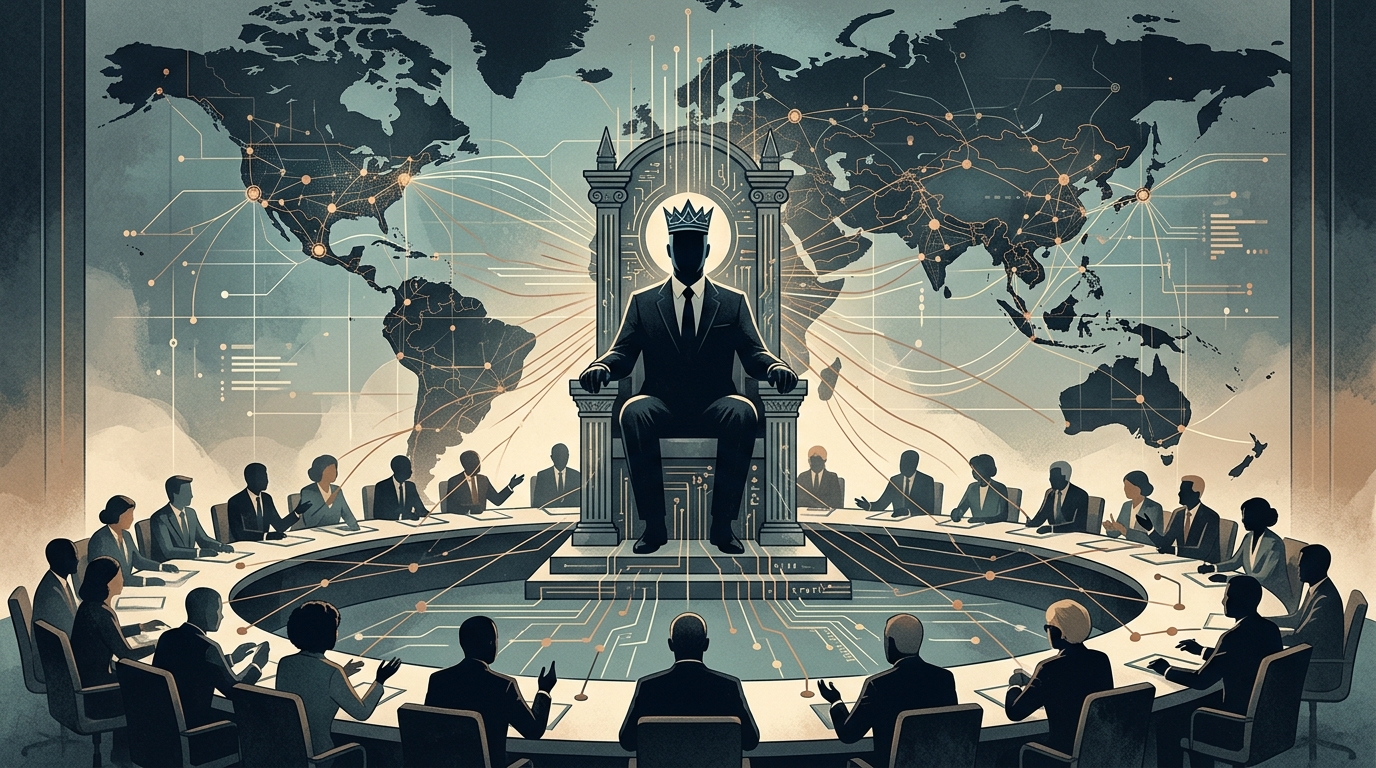
The era of the American 'umbrella' that offered Europe the luxury of underfunding its defense structures seems to be coming to an end. After decades of complacency, European capitals are faced with a harsh reality: Washington, regardless of who occupies the White House, is no longer willing to bear the bulk of the cost for the security of the Old Continent. The recent movement in European defense spending is not just a reaction to the Russian invasion of Ukraine, but the result of systematic pressure from across the Atlantic, demanding that NATO allies honor the 2% of GDP commitment.
The End of the 'Peace Dividend'
For nearly three decades after the fall of the Berlin Wall, Europe enjoyed what economists call the 'peace dividend.' Resources previously directed toward armament programs were funneled into social welfare, education, and economic development. However, the change in the global landscape and the emergence of new threats have rendered this model unsustainable. Washington has made it clear that its focus is now shifting toward the Pacific and countering China, leaving Europe with the obligation to manage its own 'neighborhood.'
This shift is not only quantitative but also qualitative. European countries are being called upon to invest in cutting-edge technologies, with Artificial Intelligence now playing a central role. From autonomous drone systems to cyber defenses and data analysis systems for battlefield decision-making, the new defense architecture requires massive capital and, above all, strategic cohesion.
The Challenge of Strategic Autonomy
French President Emmanuel Macron has been the primary proponent of the idea of 'strategic autonomy.' This idea, however, clashes with the harsh reality of dependence on the American military industry. Despite efforts to create a common European defense fund, many countries, especially in Eastern Europe, prefer to buy American weapons systems (such as the F-35), viewing them as the best guarantee for maintaining ties with the US.
This internal disagreement is the biggest obstacle to a unified European defense policy. Germany, with its 'Zeitenwende' (Turning Point) program, promised 100 billion euros for the modernization of its armed forces, but the implementation of these investments is moving slowly, facing bureaucratic hurdles and political disputes within the coalition government.
Integrating Artificial Intelligence into Defense
In the context of this spending increase, R&D in AI holds a prominent position. Europe is trying to bridge the gap with the US and China by developing systems that can process information from thousands of sensors in real-time. The use of AI is not limited to weapons but extends to crisis prediction, supply chain management, and the protection of critical infrastructure from hybrid threats. The challenge here is twofold: financing innovation and ensuring that the use of AI in defense complies with European values and ethics.
"Europe's defense can no longer be a project outsourced to third parties. It is a responsibility we must assume ourselves if we want to have a say in our future," Brussels analysts state.
Economic and Social Implications
The shift toward increasing defense spending is not without cost. In a period of fiscal tightness and inflationary pressures, transferring resources toward defense inevitably means cuts in other sectors. The 'guns vs. butter' debate is returning with a vengeance. European societies, accustomed to a strong welfare state, may react if the increase in military spending leads to a degradation of public services.
However, there is another side to the coin: strengthening the European defense industry can act as a lever for economic growth, creating high-skilled jobs and promoting technological innovation that will have applications in the civilian sector as well. The success of this venture will depend on the EU's ability to coordinate its national industries and avoid the overlaps that currently cost billions of euros annually.