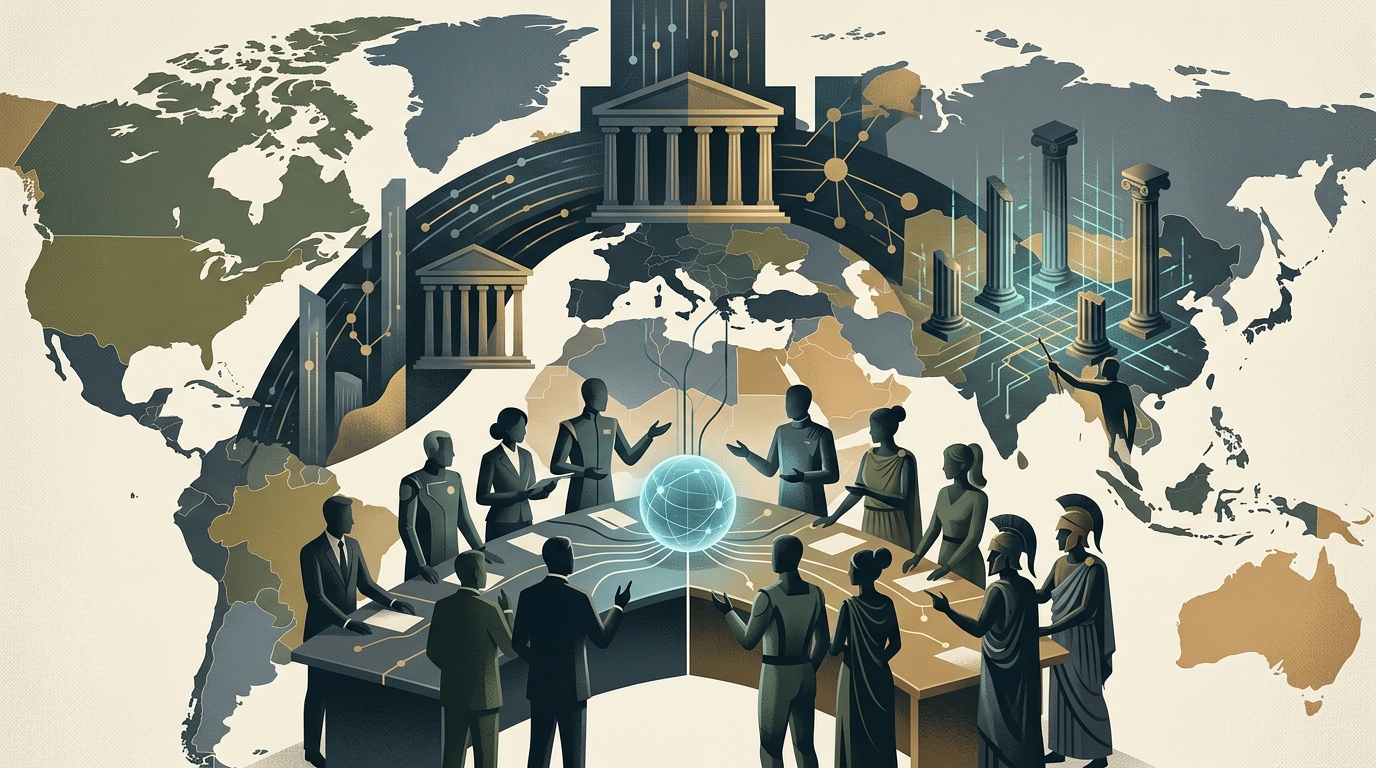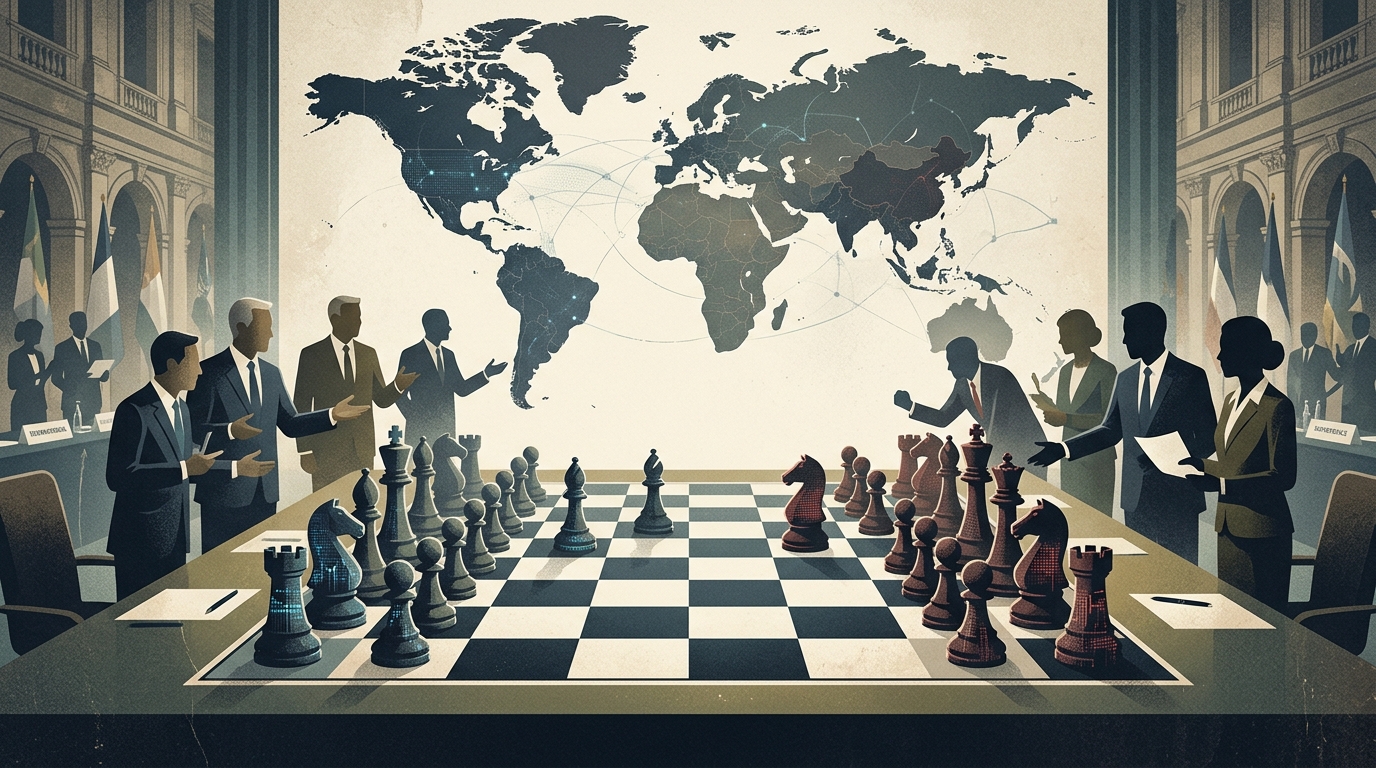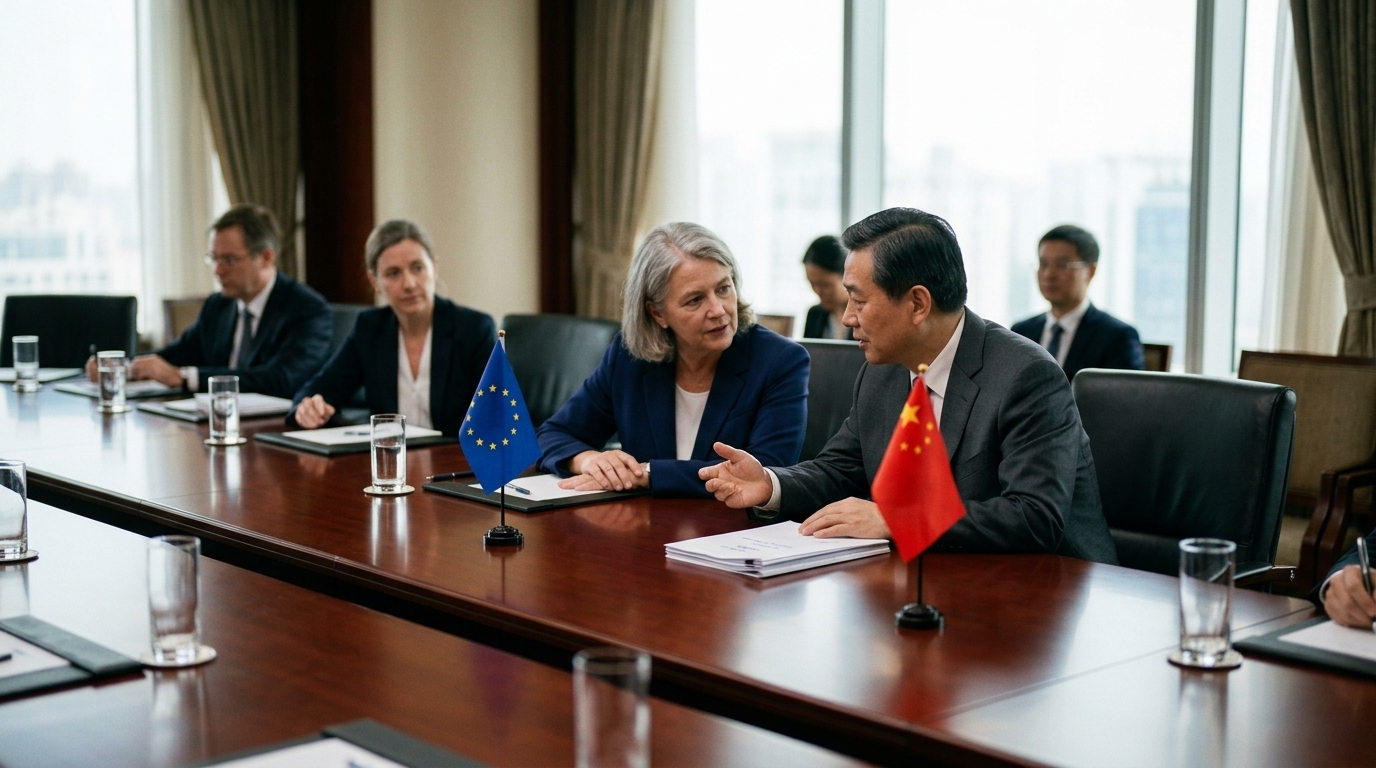
As we navigate the summer of 2026, the geopolitical chessboard between Brussels and Beijing resembles a scene from a Cold War thriller. The recent decision to set October as the final deadline for reaching an agreement on trade disputes is not merely a bureaucratic maneuver; it is a desperate attempt to avert a collision that could redraw the global supply chain map. At the heart of the conflict are Chinese subsidies for electric vehicles (EVs), access to critical raw materials for Artificial Intelligence, and a ballooning trade deficit that threatens the European industrial base.
The 'De-risking' Strategy and the Backlash
The European Commission, led by a renewed mandate for 'strategic autonomy,' has toughened its stance. The policy of 'de-risking' rather than 'de-coupling' is the official doctrine. However, in practice, the tariffs imposed on Chinese electric cars have drawn Beijing's ire. China, for its part, accuses the EU of protectionism that violates World Trade Organization (WTO) rules, while simultaneously threatening retaliation against European products, ranging from French cognac to German pork and high-displacement luxury vehicles.
The October deadline is considered critical because it coincides with the finalization of the EU's findings on illegal subsidies. If a middle ground is not found—likely through commitments on minimum selling prices or investments on European soil—the EU will trigger permanent tariffs that could reach 38%. This would signal the end of the era of 'cheap Chinese solutions' for Europe's green transition, forcing the continent to accelerate its own production at a cost that citizens may not be ready to bear.
AI and Raw Materials: The Invisible Front
Beyond cars, the real battle is being fought in the high-tech sector. China controls 80-90% of the global processing of critical raw materials, such as lithium, cobalt, and gallium, which are essential for manufacturing semiconductors and AI systems. Beijing's recent decision to restrict exports of some of these materials as a 'response' to European pressure has alarmed the Old Continent's tech giants.
- Export restrictions on gallium and germanium, vital for radar and optical fibers.
- Control of graphite supplies, essential for next-generation batteries.
- Pressure on European software companies to share source code to maintain access to the Chinese market.
The EU is attempting to respond through the 'Critical Raw Materials Act,' seeking alternative sources in Latin America and Africa. However, building these new supply chains takes years, if not decades, while the October deadline is only a few months away.
The Geopolitical Dimension: The US Factor
We cannot analyze EU-China relations without considering Washington. The US has been steadily pushing Brussels to adopt a more aggressive stance, aligned with its own 100% tariffs on Chinese EVs. Europe, however, is in a difficult position: it is far more dependent on trade with China than the US is. For Germany, in particular, China remains the largest trading partner, and a total rupture could plunge the Eurozone's largest economy into a prolonged recession.
"Europe cannot afford to become the battlefield of a new trade war, but neither can it stand by as it is deindustrialized due to unfair competition," says a senior diplomat in Brussels.
The question that remains unanswered is whether Beijing is willing to make real concessions. The Chinese economy faces its own problems, with a real estate crisis and falling domestic consumption. Maintaining access to the European market is vital for the survival of the Chinese manufacturing sector. This mutual dependence is perhaps the only hope for a compromise by October.
Conclusion: Towards a New World Order?
The outcome of these negotiations will determine the future of globalization as we know it. If the deadline passes without an agreement, we will enter an era of 'technological blocs,' where compatibility, pricing, and innovation are sacrificed on the altar of national security. For AI, this means fragmented ecosystems and slower development. For the consumer, it means more expensive products. October is not just a month on the calendar; it is the border between cooperation and protectionism.