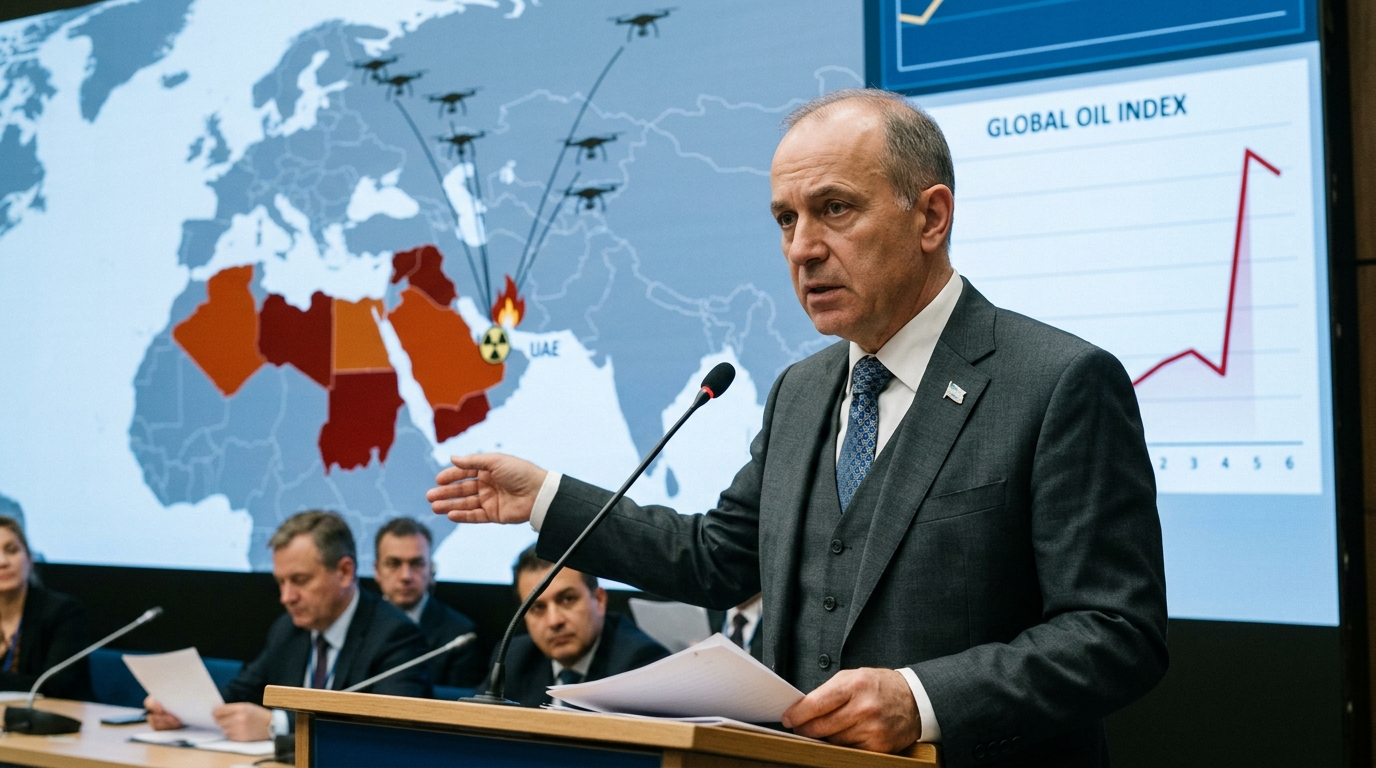
The global energy chessboard received a significant jolt early Monday morning as oil prices surged by more than 1% following reports of a drone attack targeting the Barakah Nuclear Power Plant in the United Arab Emirates (UAE). The incident, confirmed by security sources in the region, brings back to the fore the extreme vulnerability of energy infrastructure in one of the world's most geopolitically volatile zones.
The Targeting of Nuclear Energy
The Barakah Nuclear Power Plant, a flagship project for the UAE's energy transition, is more than just a power generation facility; it is a symbol of the region's movement away from total reliance on hydrocarbons. The attack, attributed by analysts to regional actors linked to the conflict in Yemen, marks a dangerous escalation. Although UAE authorities have reassured the public that security systems functioned correctly and no radiation leaks occurred, the psychological and economic impact is already palpable.
The use of Unmanned Aerial Vehicles (UAVs) for the strike highlights the asymmetric nature of modern warfare. With relatively low costs, attackers managed to cause disruption in international markets, proving that even the most heavily guarded nuclear facilities remain exposed to new forms of technological warfare. The international community is watching with bated breath, as a successful strike on a nuclear reactor could have environmental consequences far exceeding the borders of the Middle East.
Market Reaction and Geopolitical Instability
Brent crude and West Texas Intermediate (WTI) reacted instantly, climbing past the 1% mark within hours of the news. Investors fear that a generalized conflict or further strikes on infrastructure could lead to supply disruptions. Despite the fact that the Barakah plant produces electricity rather than oil, the connection is direct: the security of the UAE is inextricably linked to the stability of the Strait of Hormuz and the global flow of energy.
- The increase in the risk premium in oil prices reflects the fear of potential retaliation.
- International organizations, such as the IAEA, are calling for restraint and the protection of nuclear sites.
- China and Europe, as major energy importers, are expressing deep concern over the security of maritime routes.
The geopolitical dimension is profound. The UAE, having signed the Abraham Accords and strengthened ties with the West, has become a target for forces seeking to undermine regional stability. This attack is not merely a military event but a message to the international community that energy security remains hostage to local rivalries.
The Road Ahead: Air Defense and Diplomacy
The need to strengthen air defense systems for critical infrastructure is now imperative. The UAE has invested billions in missile defense, yet drone technology is evolving faster. The international community is called upon to redefine the framework for protecting nuclear plants, which in times of crisis can turn into potential "bombs" in the hands of attackers.
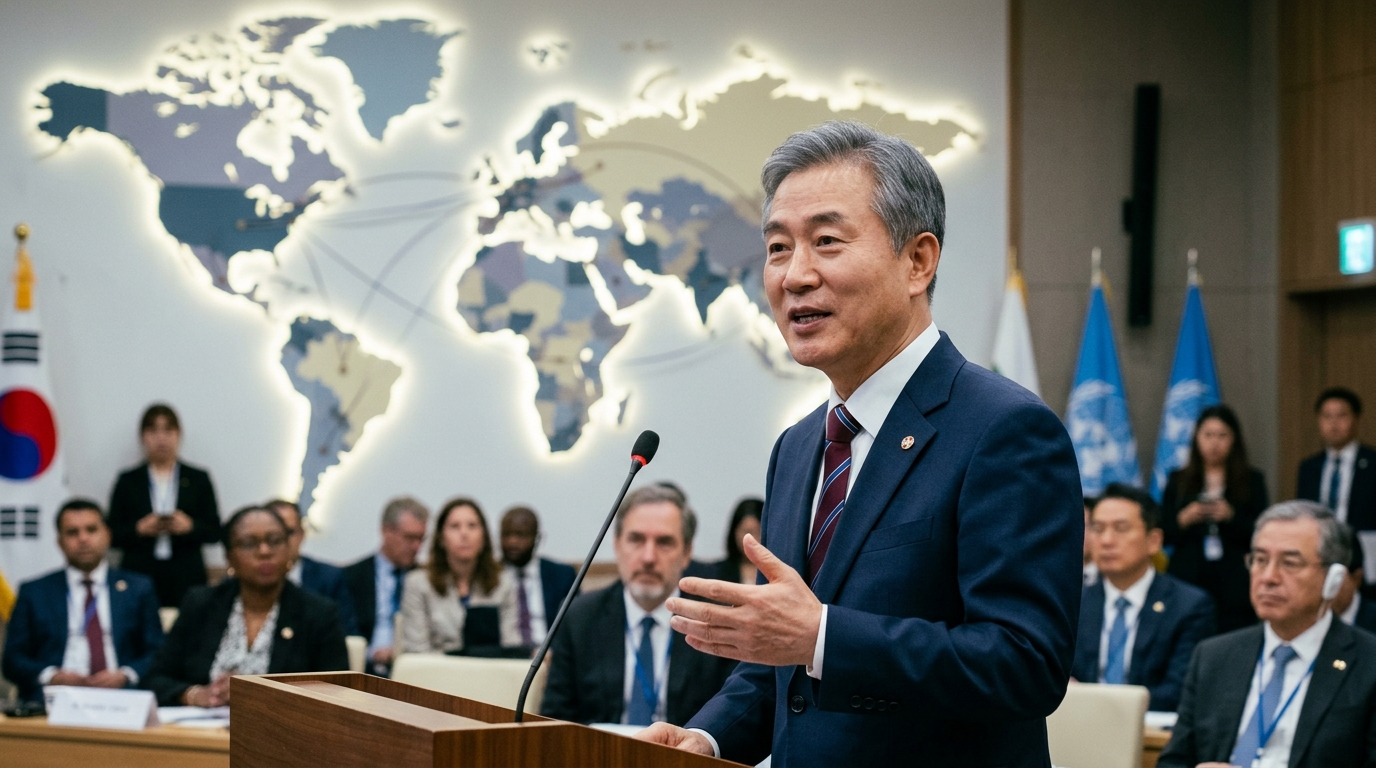
"The security of nuclear facilities is not a local issue; it is a global responsibility," stated a senior UN official, highlighting the danger inherent in such actions.
In conclusion, the attack on Barakah serves as a wake-up call for the global economy. In a world struggling with inflation and energy crises, the addition of a geopolitical risk of this magnitude could be fatal. Diplomacy must prevail over arms, as the cost of failure would be unbearable for everyone.